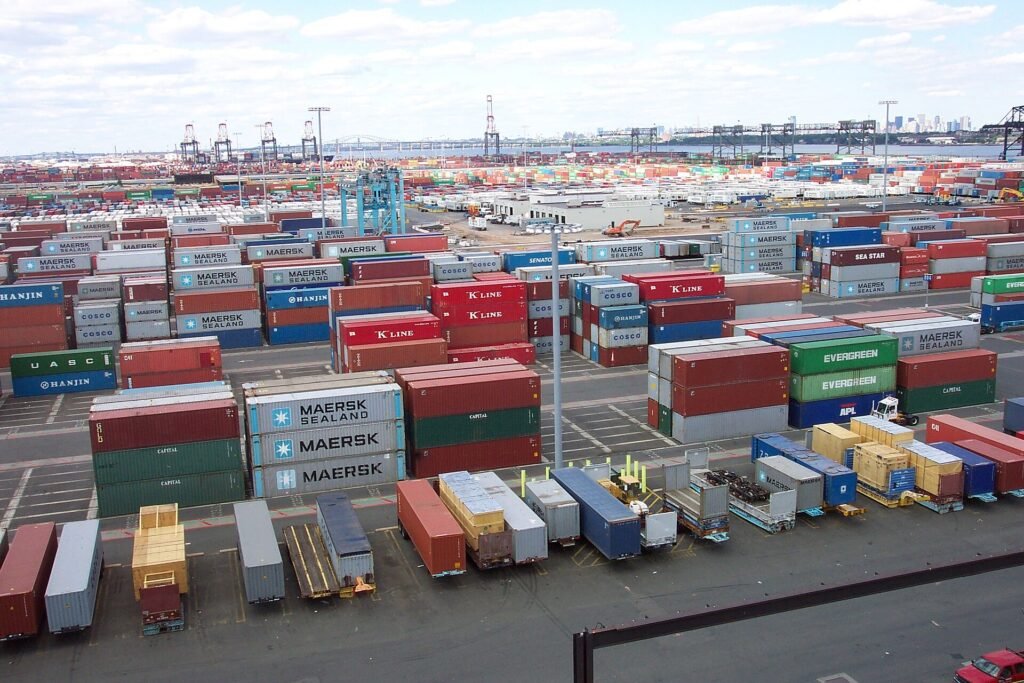
Once you’ve chosen a container size, the next decision is condition, and it usually has the biggest effect on price. A near-new one trip unit and a hard-working used box can look similar in a listing photo, yet they cost very different amounts and suit very different jobs. Our breakdown of shipping container prices shows exactly how much each grade costs.
At Prime Cargo Box we sell new, one trip and used containers in most sizes, so we see buyers wrestle with the one trip vs used shipping container question all the time. Some overspend on a near-new box they’ll never need. Others save money on a used unit and then spend it again on repairs. This guide explains what each grade really means, what to expect from each, how to inspect them and which one fits your plans.
What Is a One Trip Shipping Container?
Most containers are built in a few large factories, a long way from where they will eventually be used. Moving empty boxes around the world costs money, so container owners usually fill new units with export cargo for their first journey. When that cargo is delivered, some of those containers are sold locally instead of being sent back into the shipping system.
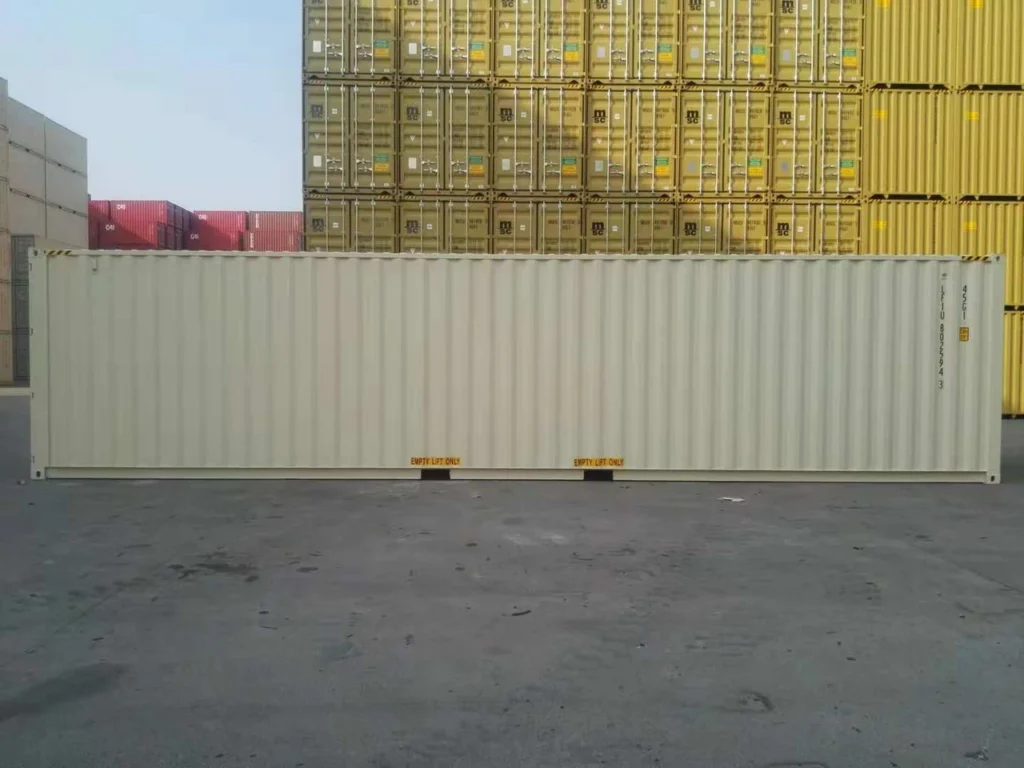
A container sold at that point is called one trip, because it has carried a single load. It is a new-build container with a short history: loaded once, shipped once, unloaded once. Expect a modern box with straight panels, factory paint and fresh door seals. You may see light handling marks, a few scuffs on the floor, and the original owner’s logo and container number on the sides. Our guide on how to buy a shipping container walks through the full order process.
One trip units are sometimes described as “new” by sellers, and structurally that’s fair. They just aren’t completely untouched like a container straight off the production line. Most used boxes end up as storage; our storage containers for sale guide shows which grade suits which job.
What Is a Used Shipping Container?
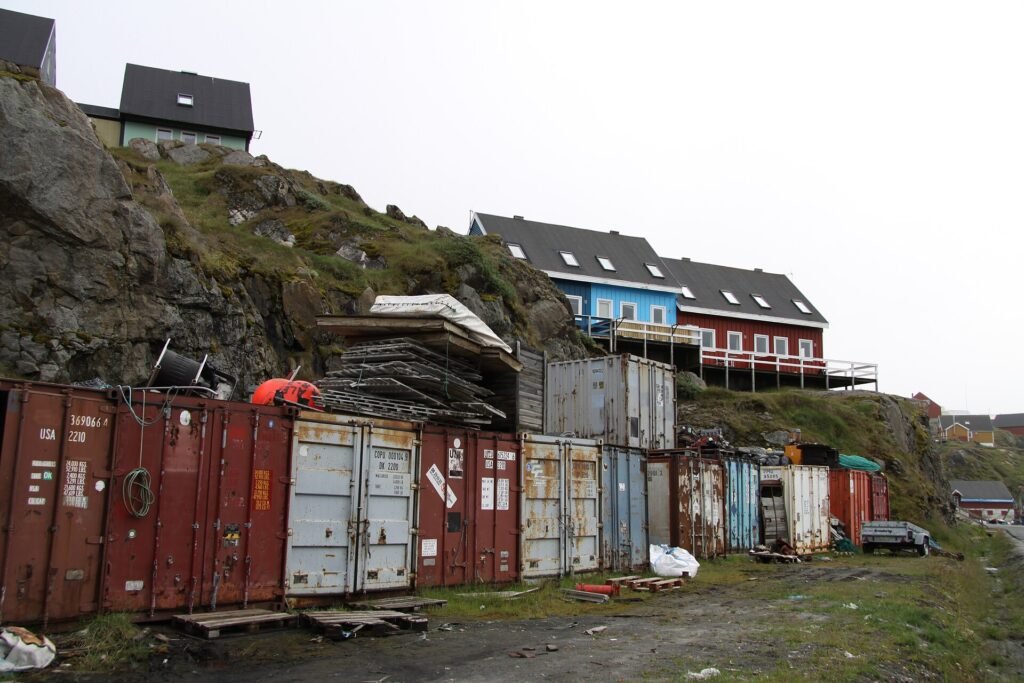
A used container has spent years in service, usually 10 to 15, carrying cargo for shipping lines or leasing companies. When it reaches the end of its sea-going life, or when the owner wants to update its fleet, it’s sold off. By then it has been lifted, stacked, loaded and shipped hundreds of times. For the lowest cost options, see our guide to cheap shipping containers.
That history shows. Expect dents, scrapes, faded or patchy paint, surface rust, old markings, and a floor that has seen plenty of forklifts. None of that necessarily makes it a bad buy. A well-chosen used container can still keep goods dry and secure for many years, at a fraction of the price of a one trip unit.
Understanding Used Container Grades
“Used” covers a wide range of condition, so the trade sorts used boxes into grades. Exact terms vary between sellers, but these are the most common.
| Grade | What it means | Typical use |
|---|---|---|
| Cargo worthy (CW) | Structurally sound enough to carry cargo at sea and eligible for a valid CSC safety plate | Shipping your own goods, long-term storage |
| Wind and watertight (WWT) | Keeps out rain, wind and pests and locks securely, but may not meet shipping standards | Storage on your own site |
| As-is | Sold with known defects such as holes, damaged floors or faulty doors | Parts, scrap or major repair projects |
The CSC plate matters if you ever plan to ship goods in the container. It shows the box was approved under the International Convention for Safe Containers, and ports and shipping lines expect it to be valid. One trip containers have current plates as standard. Used containers need to be cargo worthy and examined to carry a valid plate.
Our standard used stock is wind and watertight, and we can supply cargo worthy units on request. We don’t sell as-is containers as standard, because most buyers end up spending the savings on repairs.
One Trip vs Used Shipping Container: Side-by-Side
| Factor | One trip | Used |
|---|---|---|
| Previous use | One loaded voyage | Typically 10 to 15 years in service |
| Age | Usually under one or two years | Usually 10 to 15 years |
| Appearance | Near new, light handling marks | Dents, faded paint, old logos, surface rust |
| Door seals and hardware | As new | Worn but functional on a good unit |
| Floor | Clean, minor marks | Stained and scuffed, should still be firm |
| CSC plate | Valid as standard | Only on cargo worthy units |
| Maintenance needed | Very little for years | Regular rust treatment and door care |
| Price | Higher | Lower |
| Resale value | Holds value well | Lower, but already depreciated |
How Long Does Each Last?
Container steel is Corten, a weathering steel that forms a protective oxide layer and resists corrosion far better than ordinary mild steel. That’s why containers survive years of salt spray at sea.
On land, a one trip container that’s placed on a level base and looked after can easily give 20 years or more of service. Its paint system is intact, so rust has nowhere to start for a long time.
A used container’s remaining life depends on its condition when you buy it and how you care for it. A good wind and watertight unit can last another decade or longer as static storage, especially if you treat rust spots as they appear and keep water off the roof. A tired unit with thin spots in the roof may need patching within a few years.
The honest summary: one trip gives you more years and fewer surprises; used gives you a lower price and asks a bit more of you.
Where Does a Brand-New Container Fit In?
There’s a third option beyond the one trip vs used shipping container choice: a factory-new unit that has never carried cargo at all. It costs more than one trip and, structurally, performs the same. It makes sense when appearance has to be perfect, for example a showroom, a hospitality build or a branded retail unit, or when you want to know the container’s entire history because it starts with you. For most storage and shipping jobs, one trip offers nearly everything new does for less. Our new 40ft shipping container is there if you want the top grade.
How Climate Affects the Decision
Where the container will live changes how much condition matters.
Coastal and humid climates are hardest on steel. Salt air and constant moisture speed up corrosion wherever paint is damaged, so a used container with existing rust patches will need more attention. A one trip container’s intact paint gives it a clear advantage here.
Hot, dry climates are gentler on steel but tough on paint and rubber. UV fades the finish and dries out door gaskets over time. Either grade works, but plan to check seals and refresh paint every few years.
Cold climates bring snow load on the roof and frozen door gear. Clear heavy snow from the roof, and grease locking bars before winter so they don’t seize. Used containers with weak spots in the roof deserve extra care.
Wherever you are, a level base, a clear roof and a bit of grease on the hinges add years to any container.
When a One Trip Container Is Worth the Extra
We recommend one trip containers for buyers in these situations:
- Conversions. Offices, workshops, studios, shops and site cabins. Straight walls are far easier to cut, frame, insulate and line than dented ones, and you won’t be fighting old rust under the new finish.
- Visible locations. Retail sites, client-facing yards, homes and anywhere appearance matters.
- Long-term ownership. If you’ll keep the container for 15 years or more, the extra life and lower maintenance usually make up the price gap.
- Shipping your own goods. A one trip box has a valid CSC plate and sound structure, so it’s ready for export without extra checks.
- Sensitive storage. Documents, stock, electronics or anything that can’t tolerate a slow leak.
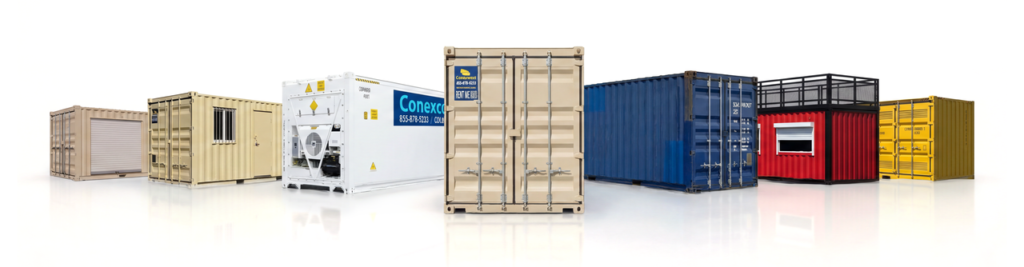
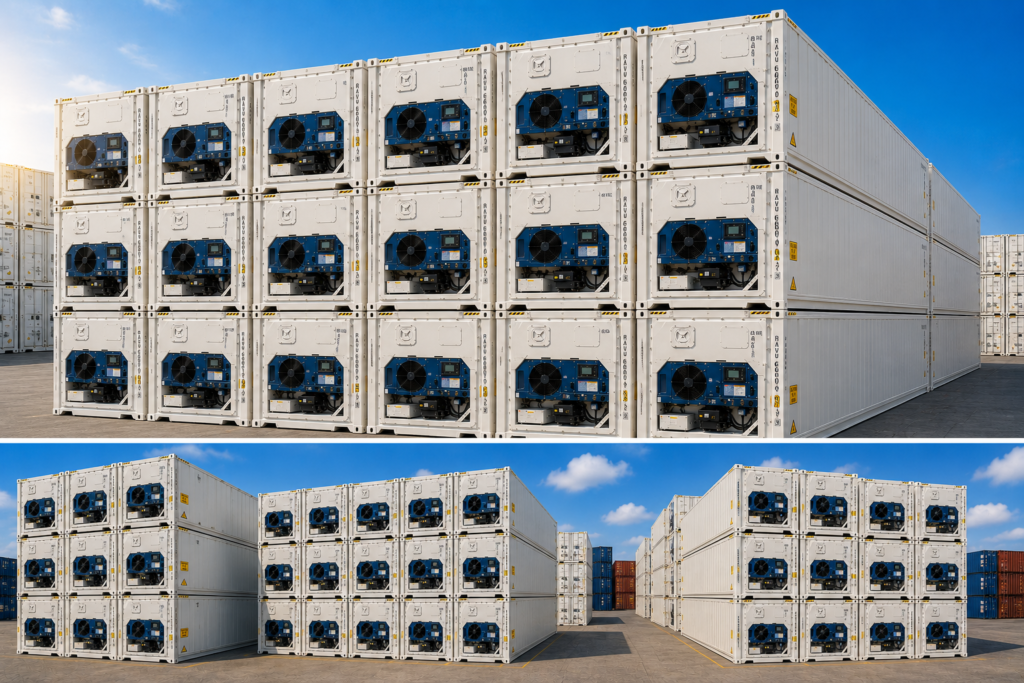
- Specialist types. Open side and double door containers have extra hinges and seals. On those, near-new hardware makes a real difference. The same goes for refrigerated containers, where the machinery matters most; our guide to buying a reefer container explains what to check.
Popular choices include our one trip 20ft shipping container, the 40ft one trip shipping container and the one trip 40ft high cube container.
When a Used Container Is the Smarter Buy
A used container is often the right answer, and there’s no reason to feel you’re settling for less. It makes sense when:
- You need basic storage. Farm equipment, building materials, tools, garden machinery and household goods don’t care what the outside looks like.
- The site is rough. Construction sites and working yards will add their own dents anyway.
- Budget is the priority. The saving can be substantial, especially if you need several units.
- The container will be painted or clad. If the outside is being covered, old dents and logos stop mattering.
- It’s a short-term need. For a project lasting a year or two, paying for near-new condition rarely makes sense.
Our used 20ft shipping container and used 40ft shipping container are the most popular options, and you can browse all second-hand stock on our used shipping containers for sale page.
How to Inspect a Used Container
If you check a container yourself or rely on photos from the seller, these are the points that matter. Cosmetic marks don’t. Structural problems and leaks do.
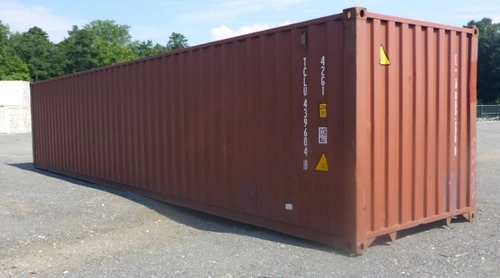
- The light test. Step inside, close both doors and wait for your eyes to adjust. Any daylight through the roof, walls or door seals means the container isn’t watertight.
- The roof. Water pools in roof dents and rusts through from above. From inside, look for pin-holes; from outside, look for heavy rust in the corrugations.
- Corner posts and bottom rails. These carry the structure. Surface rust is normal; flaking, thin or holed steel here is a serious problem.
- The floor. Walk it, especially the first metre inside the doors where forklifts run. It should feel firm. Soft or broken boards need replacing.
- The doors. Open both fully and close them again. Every locking bar should turn and seat in its keeper without a hammer. Check the rubber gaskets for tears.
- The data plate. Note the manufacture date, the container number and, if you plan to ship, whether the CSC plate is current.
When you buy a used container from us, these checks are done before it leaves the depot, and we’re happy to send photos of the actual unit.
What to Check When Buying One Trip
“One trip” is a trade description, and not every seller uses it carefully. Some describe any tidy container as one trip, even after several voyages. Before you pay one trip prices, ask for:
- The manufacture date from the CSC plate. A genuine one trip box is usually less than a year or two old.
- Photos of the actual unit, inside and out, rather than a stock image.
- Confirmation that there are no repairs, patches or replacement panels.
- The tare and gross weight ratings, which you’ll need for transport.
If a “one trip” container turns out to be six or seven years old, it has almost certainly done far more than one voyage.
Cost: Looking Beyond the Purchase Price
Prices vary by region, size and market conditions, so we won’t quote figures here. The pattern is consistent, though: new costs the most, one trip sits in the middle, and used is the cheapest. The gap between one trip and used is usually the biggest single saving available when buying a container.
When comparing, count the costs that follow the purchase:
- Delivery costs the same whichever grade you buy, so it’s a bigger share of the total on a cheap used unit.
- Repainting a used container for appearance or protection adds cost and time.
- Repairs to floors, roofs or doors can quickly erase the saving on a poor unit.
- Maintenance over the years is higher on a used box.
- Resale value is higher on a one trip container if you sell it later.
A good used unit at a fair price is excellent value. A cheap used unit that needs work is often not.
Conversions: Why Condition Matters More
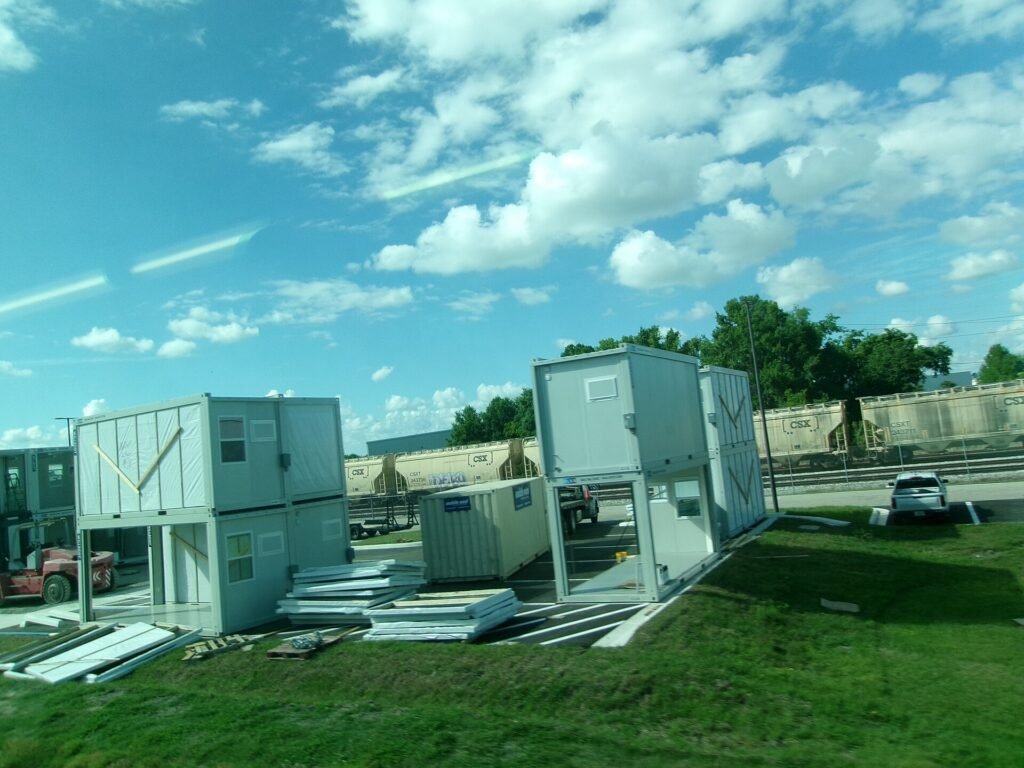
If you’re building an office, workshop or shop, condition affects the whole project. Dents make it harder to fit wall linings and windows neatly. Old rust under new paint comes back. Worn door seals let in draughts. Buyers who start with a one trip container usually find the build quicker, neater and cheaper overall, even though the shell cost more.
Height matters for conversions too. Most container offices are built in high cubes, which keep a normal ceiling after insulation. Our guide to high cube vs standard containers explains why. Our container modification team can add doors, windows, insulation and power before delivery.
Shipping Goods in Your Container
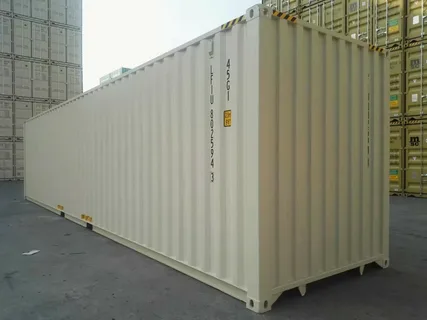
Plenty of buyers want to load a container with their own goods, ship it, and keep it at the other end. For that, a one trip container is the simplest choice because the CSC plate is current and the structure is sound. A used container can work too, but it must be cargo worthy with a valid plate. A wind and watertight storage unit may be refused at the port.
Weight matters as well. Container size affects how much you can ship, and dense cargo is usually better in a twenty. Our comparison of the 20ft vs 40ft shipping container covers this in detail.
A Quick Decision Guide
If you want a fast answer, find your situation in the table below. It reflects what we recommend most often, not a hard rule.
| Your situation | Usually the best grade |
|---|---|
| Office, workshop, shop or studio conversion | One trip or new |
| Shipping your own goods overseas | One trip, or cargo worthy used |
| Basic storage on a farm or building site | Used, wind and watertight |
| Storage in a visible location | One trip |
| Short-term project of a year or two | Used |
| Open side or double door container | One trip |
| Container that will be painted or clad | Used |
| Coastal or very humid location, long-term use | One trip |
If your situation falls between two rows, think about how long you’ll keep the container. The longer you plan to own it, the more sense one trip makes.
Real Examples From Customers
A farm storing feed and tools. A wind and watertight used 40ft container gave them dry, lockable storage at the lowest price. The dents didn’t matter, and they planned to keep the roof clear and treat rust each spring.
A builder setting up a site office. They chose a one trip high cube because the container would be fitted out with insulation, windows and power, then moved between sites for years. Clean walls made the fit-out faster.
An importer shipping household goods. A one trip 20ft container carried the goods overseas with a valid plate and became garden storage on arrival.
A small shop needing stock space behind the building. A used 20ft container was perfect, and a fresh coat of paint made it look tidy for very little money.
Delivery Is the Same Either Way
Whichever grade you choose, the delivery process and site preparation are identical. You’ll need a firm, level base, room for the truck and space to open the doors. Our article on shipping container delivery explains what to prepare.
Frequently Asked Questions
Is a one trip container the same as a new container?
Structurally, yes. It’s a new-build container that has made a single voyage, so it may have light handling marks and the original owner’s markings.
How old is a used shipping container?
Typically 10 to 15 years. The manufacture date is printed on the data plate on the door.
Will a used container leak?
Not if it’s wind and watertight, which is the minimum standard we sell. Keep it level so the door seals stay in contact, and keep the roof clear of standing water.
Can I ship goods in a used container?
Only if it’s cargo worthy with a valid CSC plate. Ask for that grade when ordering.
Which grade holds its value better?
One trip containers hold value better in percentage terms. Used containers have already done most of their depreciating, so they lose less money in absolute terms if you sell later.
Does Prime Cargo Box sell both?
Yes. We sell new, one trip and used containers in 20ft and 40ft lengths, including high cube, double door, open side, open top and refrigerated versions. Our guide to the types of shipping containers explains the differences. Browse our new shipping containers for sale, our used range, or contact us for a delivered price.
Choosing the Right Condition
The one trip vs used shipping container decision comes down to how long you’ll keep the box, what it’s for and where it will sit. For conversions, export and long-term use, one trip is usually worth it. For basic storage on a budget, a sound used container does the job. Tell us how you plan to use it and we’ll point you to the right grade.
Cover photo: Captain Albert E. Theberge, NOAA Corps (ret.), public domain, via Wikimedia Commons.