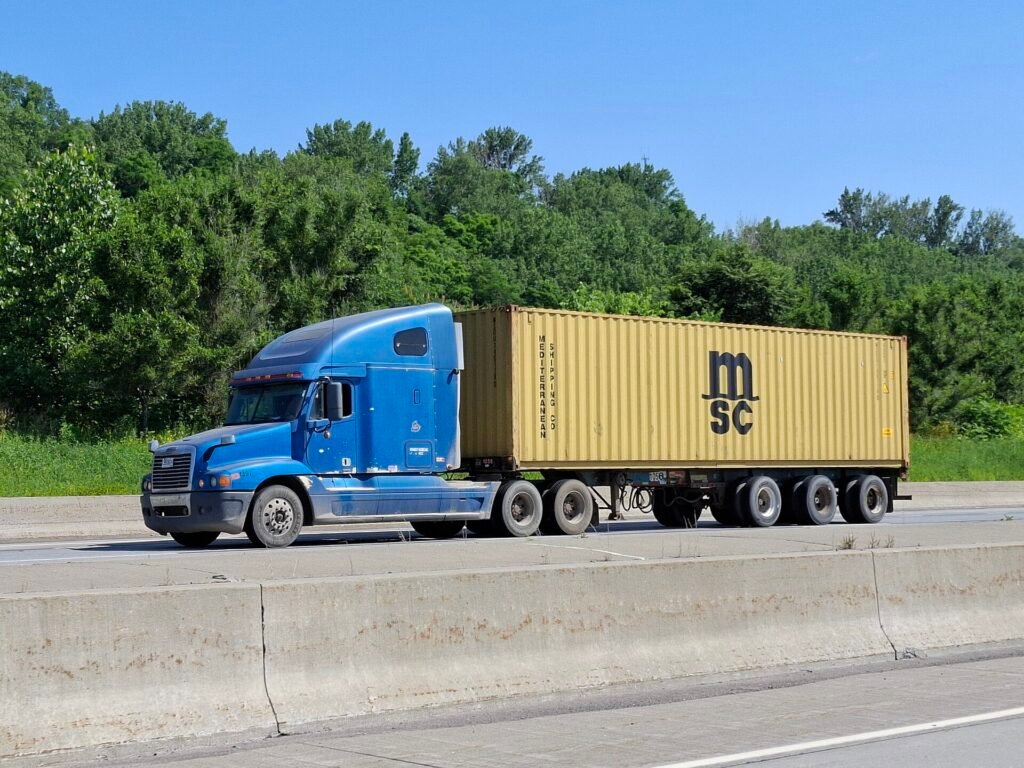
Buying the container is usually the easy part. Getting it from a depot or port onto your land, sitting level, with the doors facing the right way, is where most of the surprises happen. A truck that can’t make the turn into your gateway, a crane that can’t reach, soft ground after rain or an overhead cable nobody noticed can turn a simple delivery into a costly second attempt. For the price of the box itself, see our shipping container prices guide.
We arrange shipping container delivery for Prime Cargo Box customers all over the world, and the deliveries that go smoothly almost always have one thing in common: the buyer prepared the site and shared the right information before the truck was booked. This guide explains how containers are delivered, how much space each method needs, how to prepare the ground, and what to check when the container arrives.
How Shipping Container Delivery Works
Containers are delivered in one of a few ways, and the method decides how much room you need. When you order from us, we choose the method based on your site, the container size and what local hauliers have available, but it helps to understand the options. To check the footprint you need to plan for, see our shipping container dimensions guide.
Tilt-bed or roll-off truck
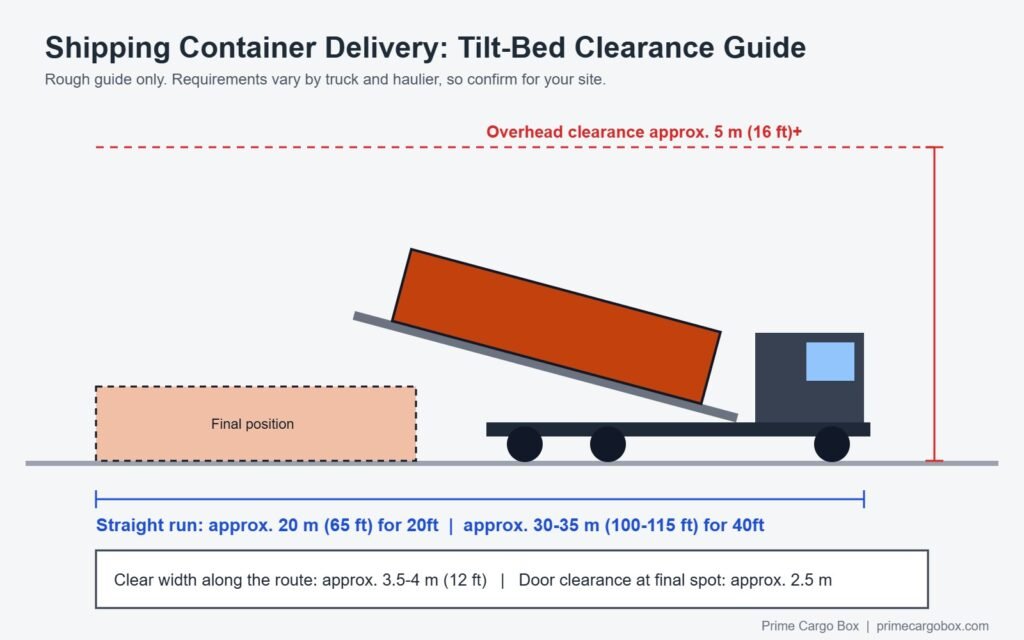
The most common method for storage containers. The truck’s bed tilts up and the container slides off the back onto the ground as the truck drives forward. No crane is needed, which keeps costs down. The catch is space: the truck needs a long, straight run behind it, and the bed rises high as it tilts, so overhead clearance matters.
Side-lifter
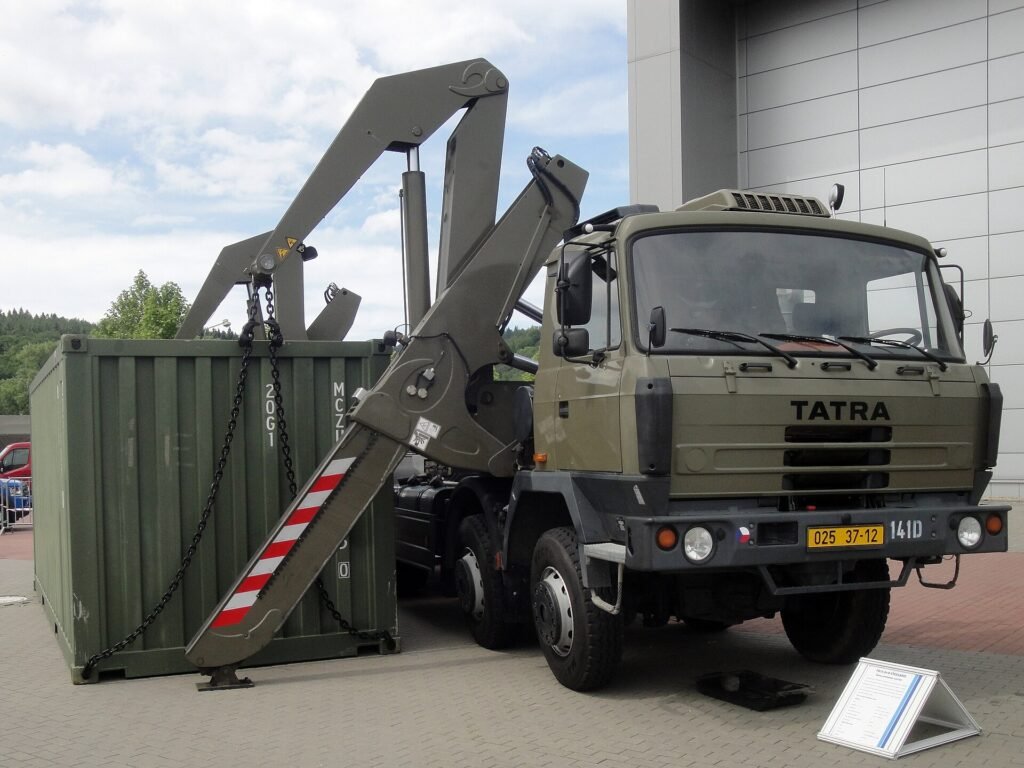
A sidelifter is a trailer with two cranes, one at each end, that lift the container off the trailer and set it down beside the truck. It can place a container precisely, lift it over low walls and even stack it on another container. It needs room alongside the truck rather than behind it, plus stable ground for its support legs.
Flatbed or skeletal trailer with a crane
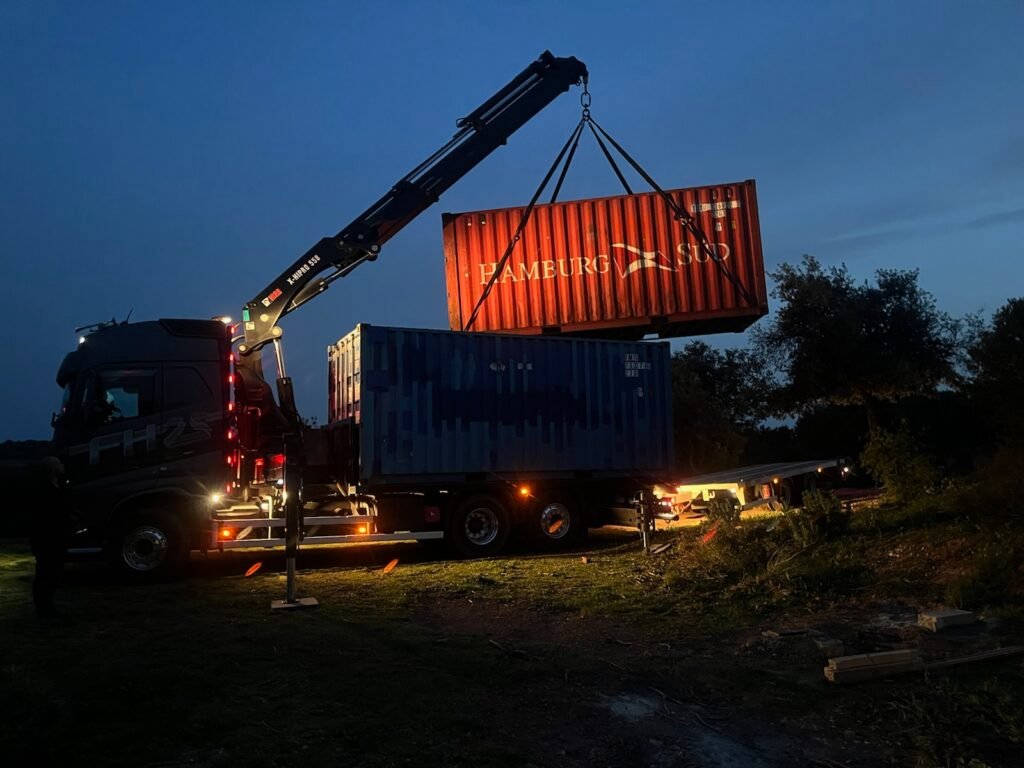
The container arrives on a flatbed or a container chassis and is lifted off by a truck-mounted crane, a mobile crane hired for the day, or a heavy forklift at an industrial site. This is the usual choice for tight urban sites, rooftops, placements over obstacles and very heavy units such as reefers.
Collection from a depot or port
Some buyers, especially businesses with their own lifting equipment and trucks, collect the container themselves. For international orders, a container can also be delivered to a port near you, then cleared through customs and moved by a local haulier.
How Much Space Does Container Delivery Need?
This is the question that matters most. Exact requirements vary between hauliers and trucks, so treat the figures below as a rough guide and confirm them with us for your specific delivery.
| Delivery method | 20ft container | 40ft container |
|---|---|---|
| Straight run for a tilt-bed (truck plus container sliding off) | Roughly 20 m (65 ft) | Roughly 30 to 35 m (100 to 115 ft) |
| Clear width along the route | Roughly 3.5 to 4 m (12 ft) | Roughly 3.5 to 4 m (12 ft) |
| Overhead clearance while tilting | Roughly 5 m (16 ft) or more | Roughly 5 m (16 ft) or more |
| Space beside a side-lifter | Container width plus room for the support legs, roughly 5 to 6 m | As for 20ft, along a longer truck |
| Final resting area | About 6.5 x 2.5 m plus door clearance | About 12.5 x 2.5 m plus door clearance |
High cube containers sit about 30 cm taller, so add that to any overhead clearance. If you’re still deciding between sizes, our comparison of the 20ft vs 40ft shipping container explains how much more access a forty needs, and our guide to high cube vs standard containers covers the height difference.
Walk the Route Before You Order
Most failed container deliveries fail on the way in, not at the final spot. Before you place an order, walk the route from the public road to where the container will sit and look for:
- Gateways and gate posts. Measure the clear width. A truck needs more than its own width to turn through a gate at an angle.
- Tight bends. Long trucks need wide turns. A 90-degree corner between buildings can be impossible for a 40ft load.
- Overhead hazards. Power and phone lines, tree branches, carports, building eaves and signs. Remember the tilt-bed rises much higher than the container.
- Ground conditions. Soft lawns, wet fields, fresh fill and sloping gravel can bog a heavy truck down. Hard standing is ideal.
- Underground services. Septic tanks, drains and shallow pipes can be crushed by a loaded truck.
- Parked cars and neighbours. Arrange for the access road and turning area to be clear on the day.
Take photos and rough measurements and send them to us with your order. It takes ten minutes and saves a lot of trouble.
Preparing the Ground Before Container Delivery
A container doesn’t need a full foundation for most storage uses, but the surface it sits on decides how well it performs for years. The goal is simple: a firm, level, well-drained base that supports the container’s corners.
Common base options
| Base | Best for | Notes |
|---|---|---|
| Compacted gravel pad | Most storage sites | Drains well and is affordable. Compact in layers and level it carefully. |
| Concrete slab | Permanent placement, workshops, offices | Very stable and clean, but costs more. Make sure it’s level and drains away from the container. |
| Concrete blocks or pads under each corner | Firm ground, temporary or semi-permanent use | Lifts the container off the ground for airflow. Add mid-length supports on 40ft units. |
| Railway sleepers or timber beams | Short-term placement on firm ground | Quick and cheap, but timber can rot and settle over time. |
| Piers or footings | Soft ground, slopes, permanent buildings | Usually designed by a builder or engineer for conversions. |
Why level matters so much
A container that sits twisted, even slightly, pulls its door frame out of square. The doors then become hard to open and close, the locking bars won’t seat properly and the gaskets stop sealing. That’s how a perfectly good container ends up leaking. Use a long spirit level or a laser across both the length and width before delivery, and check again after heavy rain in the first few months while the ground settles.
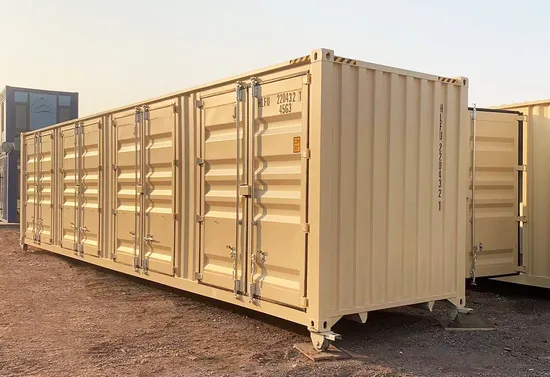
This applies to every container type, but it matters even more for open side containers and double door units, which have more doors that need to stay aligned.
Drainage and airflow
Water pooling around the base rusts the bottom rails over time. Choose a spot that drains naturally, or slope the gravel away. Lifting the container slightly on blocks or a gravel pad lets air move underneath, which keeps the floor drier and reduces condensation inside.
Positioning and Door Direction
Decide which way you want the doors to face before the truck arrives. With a tilt-bed delivery, the end that leaves the truck first is fixed by how the container was loaded, so we need to know in advance. Tell us if you want the doors facing the road, a building, the yard or a particular direction.
Leave around 2.5 m clear in front of the doors so they can swing fully open. If you’re placing several containers side by side, leave a gap between them for maintenance, painting and drainage, unless you plan to join them as one structure. For open side containers, allow 4 to 5 m along the opening side for the doors to fold back and for a forklift to work.
Permits and Local Rules
Rules for placing a container on land vary widely between countries, regions and even neighbourhoods. Some areas have no restrictions at all for temporary storage. Others treat a container as a structure and want planning approval, especially for permanent placement, conversions, or containers visible from the street. Check with your local authority before delivery if the container will stay long term or be modified.
For the delivery itself, a standard truck carrying one container usually doesn’t need special permits. Oversized loads, road closures or a crane working on a public street can require permission, and the haulier normally arranges that.
International Container Delivery
If you’re buying a container to be delivered from another country, the process has a few more steps. The container is shipped by sea to a port, cleared through customs, and then moved by road to your site.
Who pays for and arranges each step depends on the agreed trade terms. These are usually expressed as Incoterms rules, published by the International Chamber of Commerce. With terms such as FOB, you arrange the sea freight and onward delivery yourself. With CIF, the seller covers freight and insurance to your port. With delivered terms such as DAP, the seller arranges transport to an agreed place, but import duties and clearance may still be your responsibility. We’ll explain the options on your quote and agree in writing who handles what.
A few practical points for international buyers:
- A container bought as a product may attract import duties or taxes in your country. Check with your customs broker before ordering.
- If you’re shipping goods inside the container, the container itself must be cargo worthy with a valid CSC plate. New and one trip units have this as standard.
- Allow time for port handling and customs clearance in your planning.
Our shipping and delivery policy explains how we quote and schedule deliveries.
Special Cases
Refrigerated containers
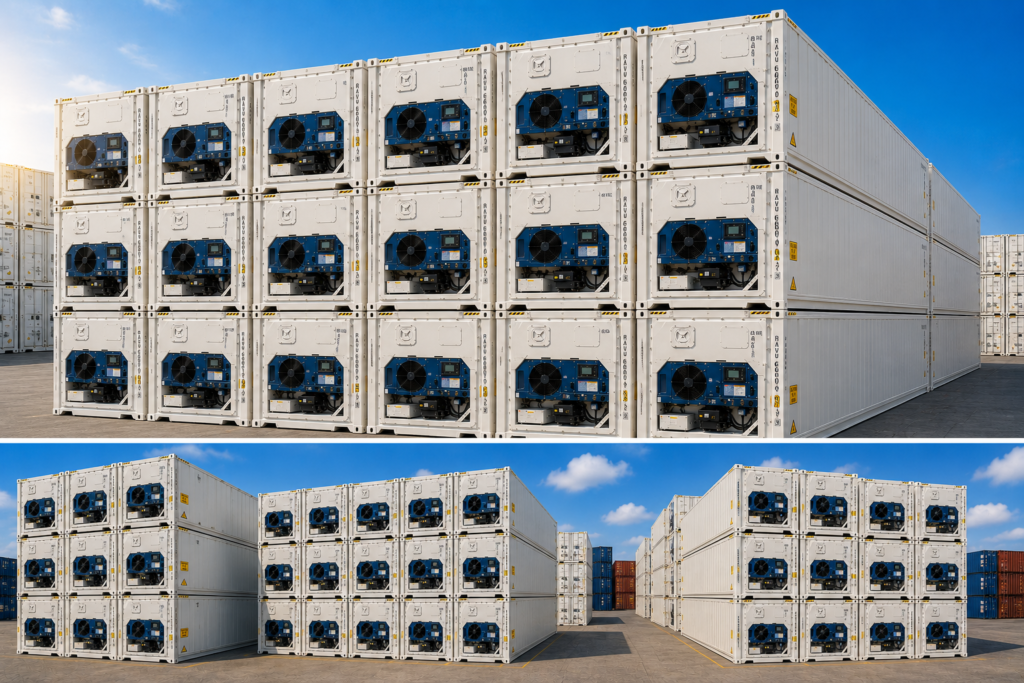
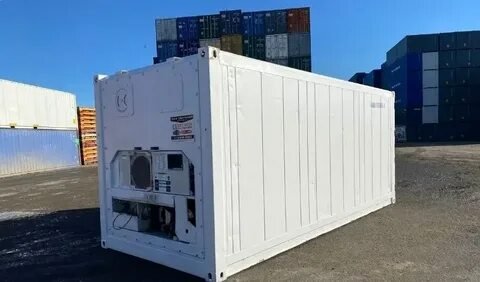
Reefers are heavier than dry containers and need a three-phase power supply close to their final position. Plan the power connection before delivery, and leave clear air space around the refrigeration unit. Our guide to buying a reefer container covers power and site needs in detail.
Open top containers
If you plan to load from above, make sure a crane or telehandler can reach the container safely after it’s placed, with no overhead cables in the way.
Several containers at once
Multiple containers can often travel together on one truck or in one delivery run, which reduces the cost per container. Plan the layout so later containers don’t block access for earlier ones.
Matching the Container to Your Access
Sometimes the site decides the container. If you are still choosing between the different types of shipping containers, check the access each one needs before you order. If your access is tight, it’s better to know that before you choose a size or type than to discover it on delivery day.
- Narrow gateways or tight bends: a 20ft container is far easier to deliver than a 40ft, and fits on smaller trucks. Our used 20ft shipping container and one trip 20ft shipping container suit most constrained sites.
- Low overhead clearance: choose standard height over high cube, and consider a side-lifter or crane rather than a tilt-bed.
- Space alongside but not behind: a side-lifter delivery usually works better than a tilt-bed.
- No vehicle access at all: a mobile crane can lift a container over buildings or walls, at extra cost.
- Need for two-end access in a tight spot: a double door container lets you reach both ends even when the container sits in a corridor.
Weather and Timing
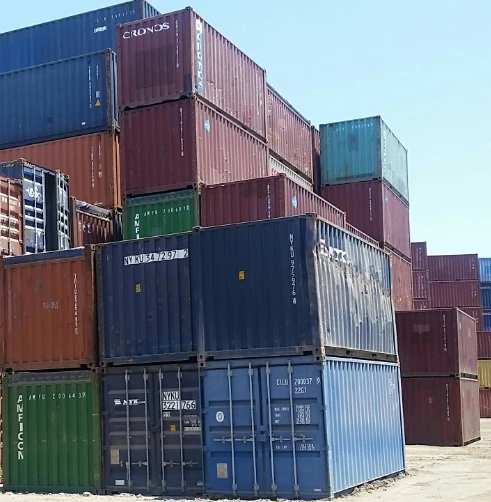
Weather affects container delivery more than people expect. Heavy rain softens lawns, fields and unsurfaced tracks, and a loaded truck can sink in ground that feels firm underfoot in dry weather. Strong wind can stop crane lifts. Snow and ice make steep access roads unsafe.
If your access crosses grass or soil, plan delivery for a dry spell, or lay temporary track mats or hardcore along the route. If you’re working to a deadline, such as a project start date, book the delivery with a few days of margin so a weather delay doesn’t hold up the job.
Common Shipping Container Delivery Mistakes
Measuring the final spot but not the route. The container may fit where you want it, but the truck has to get there first.
Forgetting overhead clearance. A tilting truck bed rises well above the container’s own height.
Placing the container on bare soil. It settles unevenly, the frame twists and the doors start to bind.
Not deciding door direction. Turning a container around after delivery usually means a second visit.
Placing it too close to a fence or wall. Without room to open the doors, the container is hard to use.
What Happens on Delivery Day
On the day, the driver will usually call ahead. Be there in person if you can, because you know the site and can point out hazards or the exact spot. Once the container is placed, check it before the driver leaves:
- Walk around the outside and look for any new transport damage.
- Open both doors fully, close them again and make sure every locking bar seats.
- Step inside with the doors closed and look for daylight.
- Check the floor for damage near the doors.
- Confirm the container sits level, and adjust the base with shims if needed.
- Note the container number and check it matches your paperwork.
If anything isn’t right, photograph it and tell us straight away, before signing the delivery note.
What Affects Delivery Cost?
Container delivery is quoted separately from the container itself because it varies so much. The main factors are distance from the depot or port, the type of truck or crane needed, the size and weight of the container, how easy the site is to access, waiting time on the day and whether several containers can travel together. Sites that need a crane or side-lifter cost more than a straightforward tilt-bed drop.
Clear information up front keeps the cost predictable. A delivery that has to be rebooked because the truck couldn’t get in costs twice.
Planning a Layout With Several Containers
When more than one container is going onto the same site, think about the order they’ll arrive in and how each truck will reach its spot. The first container placed can easily block the route to the second, so plan from the back of the site towards the entrance.
Leave enough space between containers for maintenance and drainage, usually at least half a metre, unless they’re being joined into one building. If the doors face each other across a shared yard, leave enough room in between for both sets to open and for a forklift or pallet truck to work. For stacked layouts, a crane is normally needed for the upper containers, and the lower ones must sit on a firm, level base with their corner castings aligned.
Share a simple sketch with us showing where each container should go and which way the doors should face. It helps the haulier plan the sequence and avoids repositioning containers after they’ve been set down.
Moving the Container Later
Containers are designed to be moved, but empty them first. A loaded container is heavy, contents can shift, and many trucks and cranes can’t lift a full unit safely. A 20ft container with forklift pockets can be moved short distances on site by a suitable forklift. A 40ft container has no forklift pockets and needs a crane, side-lifter or tilt-bed truck.
Your Container Delivery Checklist
- Route measured: gateway width, bends, overhead clearance
- Ground firm enough for a heavy truck along the whole route
- Final spot prepared, level and well drained
- Door direction decided
- Door clearance of about 2.5 m in front
- Power ready for reefers
- Local permission checked for long-term or modified containers
- Access road clear on the day
- Someone on site to meet the driver
- Photos and measurements sent to us with your order
Frequently Asked Questions
Do I need a concrete foundation for a shipping container?
Not for most storage uses. A level, compacted gravel pad or solid blocks under each corner work well. Concrete slabs and engineered footings are better for permanent buildings and conversions.
How much space does a delivery truck need?
As a rough guide, a tilt-bed truck needs about 20 m of straight run for a 20ft container and 30 to 35 m for a 40ft, plus about 3.5 to 4 m of width and roughly 5 m of overhead clearance. Confirm with us for your site.
Can a container be placed in a back garden?
Often, yes, if a truck can reach it or a crane can lift it over the house or fence. Side-lifters and cranes are common for gardens with limited access.
Can I choose which way the doors face?
Yes. Tell us when you order so the container is loaded the right way round for a tilt-bed delivery.
Does the condition of the container affect delivery?
No. Delivery works the same for new, one trip and used containers. Our article on one trip vs used shipping containers helps you choose the grade.
Does Prime Cargo Box deliver worldwide?
Yes. We arrange shipping container delivery to sites and ports around the world. Browse our new shipping containers and used shipping containers, or contact us with your location for a delivered price.
Getting It Right First Time
A smooth shipping container delivery comes down to preparation: a clear route, a level base, the right truck and someone on site who knows where the box should go. Send us a few photos and measurements when you order, and we’ll plan the delivery around your site rather than hoping it fits.
Cover photo: VynedJ / CC BY 4.0, via Wikimedia Commons.