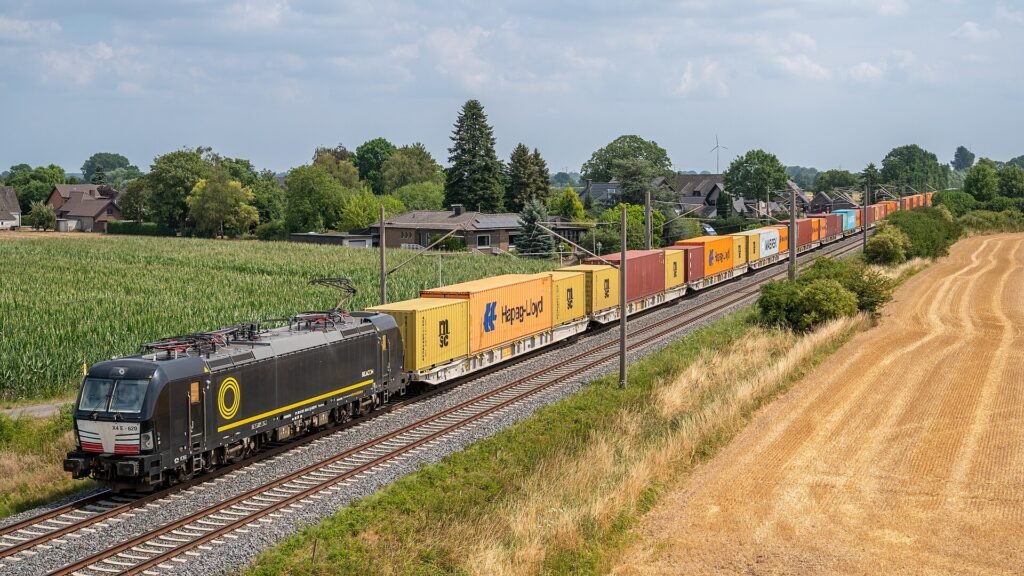
Most people who contact us already know they want a container. What they haven’t settled is the size. The 20ft vs 40ft shipping container question comes up in almost every conversation we have, and the right answer depends less on how much stuff you own and more on your site, your cargo weight and how you plan to use the box. For current numbers on every size, see our guide to shipping container prices.
We sell both sizes at Prime Cargo Box, new, one trip and used, so we have no reason to push you toward one over the other. This guide walks through the real differences: dimensions, capacity, weight limits, delivery, cost per cubic metre and the situations where each size makes more sense. By the end you should know which one to order, or at least which questions to ask before you do.
The Short Answer
If you have the space and your goods are light or bulky, a 40ft container usually gives better value per cubic metre. If your site is tight, your cargo is heavy, or you want something easier to move and place, a 20ft container is usually the smarter buy. Our full guide to shipping container dimensions lists inside and door sizes for every length.
That’s the summary. The detail matters, though, because plenty of buyers order a forty and then discover the delivery truck can’t get into their yard, or order a twenty and fill it in a month. Let’s go through it properly.
20ft vs 40ft Shipping Container: Side-by-Side Specifications
Both sizes share the same width and height. The difference is length, and everything else follows from that. The figures below are typical for standard 8 ft 6 in dry containers. Exact numbers vary slightly between manufacturers, and the ratings for any specific unit are printed on its data plate. For storage-focused advice, read our guide to storage containers for sale.
| Specification | 20ft standard | 40ft standard |
|---|---|---|
| External length | 20 ft (6.06 m) | 40 ft (12.19 m) |
| External width | 8 ft (2.44 m) | 8 ft (2.44 m) |
| External height | 8 ft 6 in (2.59 m) | 8 ft 6 in (2.59 m) |
| Internal length | Approx. 19 ft 4 in (5.90 m) | Approx. 39 ft 5 in (12.03 m) |
| Internal width | Approx. 7 ft 8 in (2.35 m) | Approx. 7 ft 8 in (2.35 m) |
| Internal height | Approx. 7 ft 10 in (2.39 m) | Approx. 7 ft 10 in (2.39 m) |
| Door opening | Approx. 2.34 m wide x 2.28 m high | Approx. 2.34 m wide x 2.29 m high |
| Floor area | Approx. 13.9 m² (150 sq ft) | Approx. 28.3 m² (305 sq ft) |
| Cubic capacity | Approx. 33.2 m³ (1,170 cu ft) | Approx. 67.7 m³ (2,390 cu ft) |
| Tare weight | Approx. 2,200 to 2,350 kg | Approx. 3,750 to 3,900 kg |
| Maximum gross weight | Typically 30,480 kg | 30,480 or 32,500 kg, depending on build |
| Payload | Approx. 28,100 kg | Approx. 26,700 to 28,750 kg |
| Forklift pockets | Usually yes | No (lifted by corner castings) |
Shipping lines publish their own fleet figures if you want to compare, such as the Hapag-Lloyd 20ft standard container data. The outside dimensions of both sizes are fixed by the ISO 668 standard, which is why they fit trucks, trains, cranes and ships anywhere in the world. Our guide to cheap shipping containers compares the cost per cubic metre of each size.
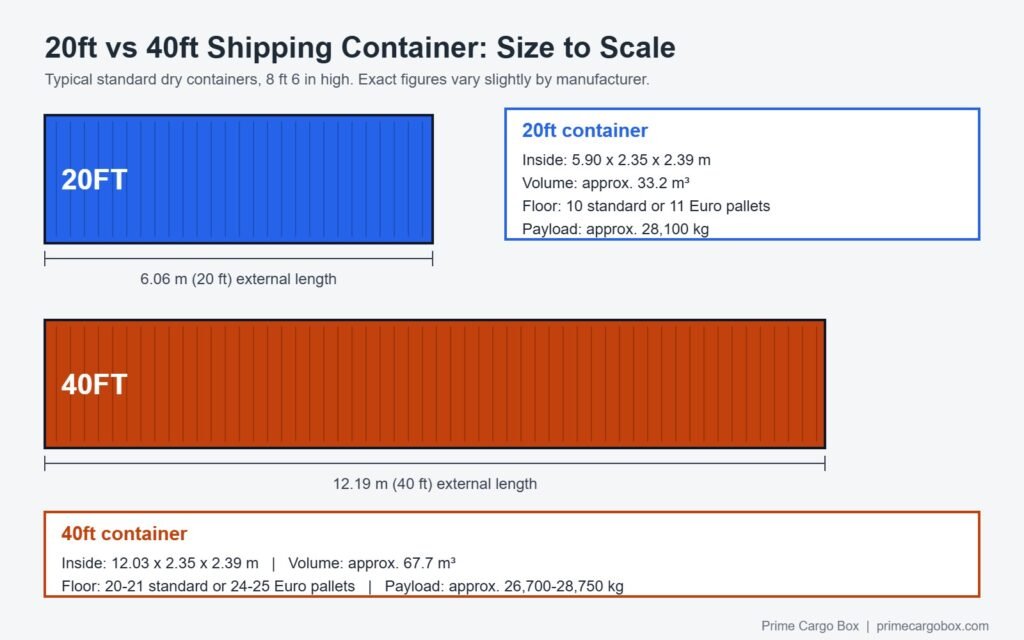
Look closely at two rows in that table. The 40ft container has roughly twice the volume, but almost the same payload. That single fact drives a lot of buying decisions, and we’ll come back to it.
Space: How Much Does Each Size Really Hold?
Numbers like 33 m³ and 67 m³ are hard to picture, so here are the comparisons we use with customers.
A 20ft container holds roughly:
- 10 standard pallets (1,200 x 1,000 mm) or 11 Euro pallets (1,200 x 800 mm) on the floor
- The furniture and boxes from a two to three bedroom home
- A builder’s tools, small plant and materials for a mid-size job
- A small shop’s stock, with shelving down both walls
A 40ft container holds roughly:
- 20 to 21 standard pallets or 24 to 25 Euro pallets on the floor
- The contents of a large family home, including bulky items
- Farm machinery plus feed, fencing and spare parts
- Overflow stock for a warehouse or busy retail business
Pallet counts assume a single layer. Light goods can often be stacked, and if you want to stack pallets two high, a high cube adds a foot of height to either size. We cover that in our guide to high cube vs standard containers.
Weight: Where the 20ft Container Wins
This is the part most first-time buyers miss. A 40ft container doesn’t carry twice the weight of a 20ft. Both are typically rated at a maximum gross weight of around 30 to 32.5 tonnes, and the forty weighs more empty, so its payload ends up about the same as, or even a little less than, a twenty’s.
In practice that means dense cargo should go in a 20ft. Tiles, stone, steel, bagged cement, machinery parts, paper rolls and drinks will hit the weight limit long before they fill a forty. Put them in a 40ft and you’ll be shipping half a container of air at a higher price.
Light, bulky cargo is the opposite. Furniture, clothing, packaged consumer goods, plastic products and cotton fill space before they reach the weight limit, so the 40ft is far better value.
Weight also matters on land. Many road networks limit the total weight of a truck and its load, and a fully loaded container can push over those limits once the truck itself is added. If you’re shipping heavy goods by road, talk to your haulier before loading. Even for storage, a heavily loaded container needs a firm base, which we’ll come to.
Footprint and Site Access

A 20ft container needs a level spot of roughly 6.5 m by 2.5 m. A 40ft needs about 12.5 m by 2.5 m. That’s the easy part.
The harder part is getting it there. Delivery trucks need room to approach, manoeuvre and unload, and a vehicle carrying a 40ft container is long. Tight gateways, sharp bends, soft ground, overhanging trees and power lines are the usual problems, and they hit 40ft deliveries far more often than 20ft ones.
A 20ft container also fits on a wider range of trucks, including smaller tilt-bed and hook-lift vehicles that can reach places a 40ft truck can’t. And because most twenties have forklift pockets, a decent forklift can move an empty one around a yard. A forty has no forklift pockets and needs a crane, side-lifter or tilt-bed truck every time it moves.
Before you choose a size, walk the delivery route from the road to the final spot. If you’re unsure, our article on shipping container delivery explains how much clearance different trucks need and how to prepare the ground.
Cost: Comparing Price per Cubic Metre
Prices change with steel costs, demand and location, so we won’t quote figures here. What holds true almost everywhere is this: a 40ft container costs more than a 20ft, but nowhere near twice as much. Per cubic metre of space, the forty is usually the cheaper option.
The same pattern shows up in shipping. Ocean freight for a 40ft container is generally well below double the rate for a 20ft on the same route. That is one reason importers of light goods almost always book forties.
Delivery to your site works a little differently. A forty may need a larger truck, which can cost more per trip, but you only pay for one delivery instead of two. If you were considering two twenties, one forty is almost always cheaper to buy and deliver.
Where the twenty wins on cost is when you simply don’t need the space. Paying for 67 m³ when you’ll use 25 isn’t good value, however low the price per cubic metre looks.
When a 20ft Container Is the Better Choice
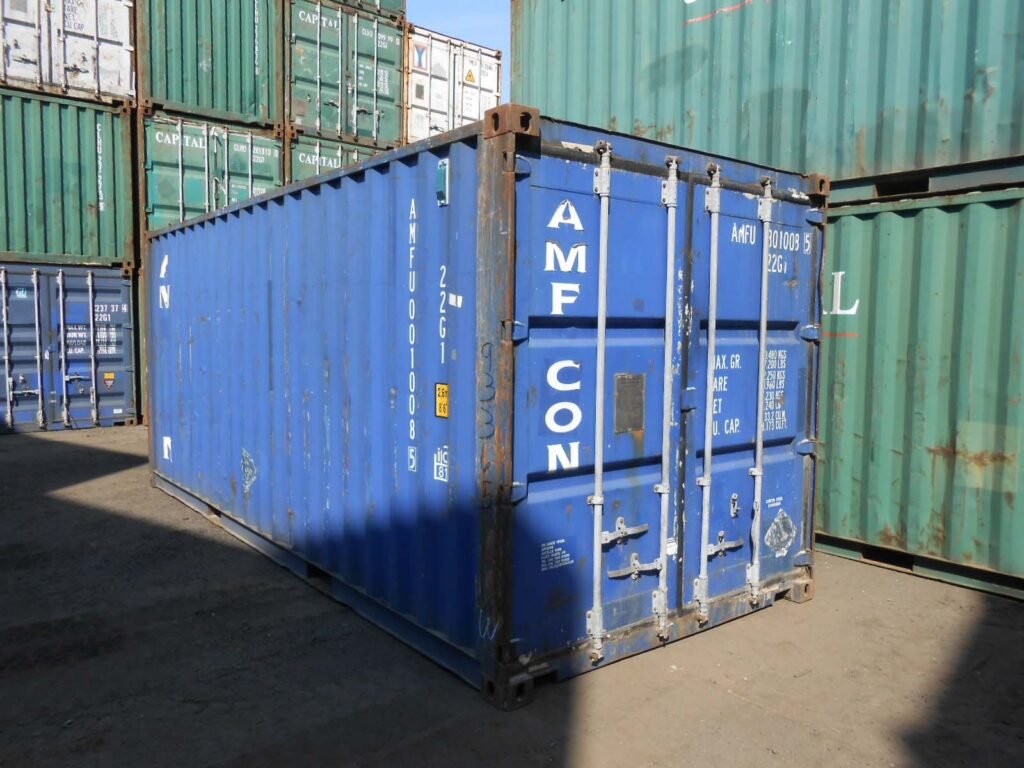
We usually point people toward a twenty in these situations:
- Your site is small or awkward. Driveways, back lots, narrow yards and sites boxed in by buildings often can’t take a forty or the truck that carries it.
- Your goods are heavy. Stone, metal, tiles, machinery and similar cargo reach the weight limit before the space runs out.
- You need around 30 m³ or less. If your goods would only fill half a forty, the extra length is wasted.
- You may need to move it. Twenties are easier and cheaper to relocate, and a forklift can shift an empty one.
- You want to split storage. Two twenties can sit in two places, hold two different things, or be bought months apart as you grow.
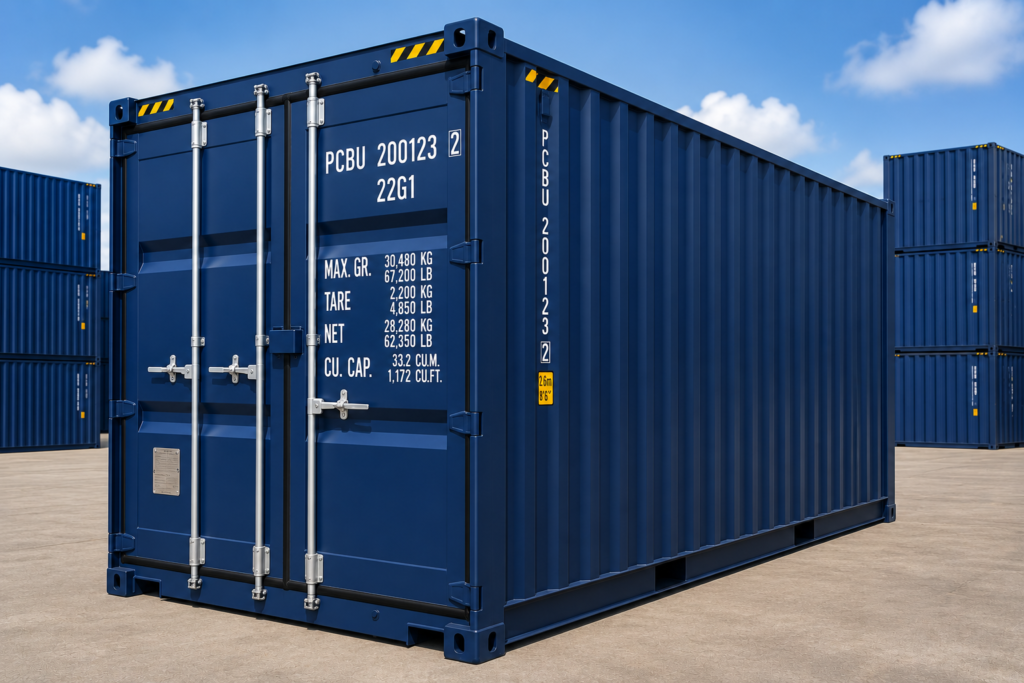
Homeowners, small builders, landscapers, clubs, schools and small shops often land on a twenty. Our new 20ft shipping container and the near-new one trip 20ft shipping container are the most popular options in this size.
When a 40ft Container Is the Better Choice
A forty usually makes more sense when:
- You have plenty of space and a clear delivery route. Farms, industrial yards and large construction sites rarely struggle to take one.
- Your goods are light and bulky. Furniture, packaged goods, textiles and similar cargo fill space before weight becomes a problem.
- You need more than about 35 m³. Beyond that point one forty beats two twenties on price and delivery.
- You’re shipping your own goods overseas. Freight for a forty is rarely double that of a twenty, so the cost per cubic metre drops.
- You’re planning a conversion. Offices, workshops and storage buildings benefit from the extra length, which gives room for separate zones.
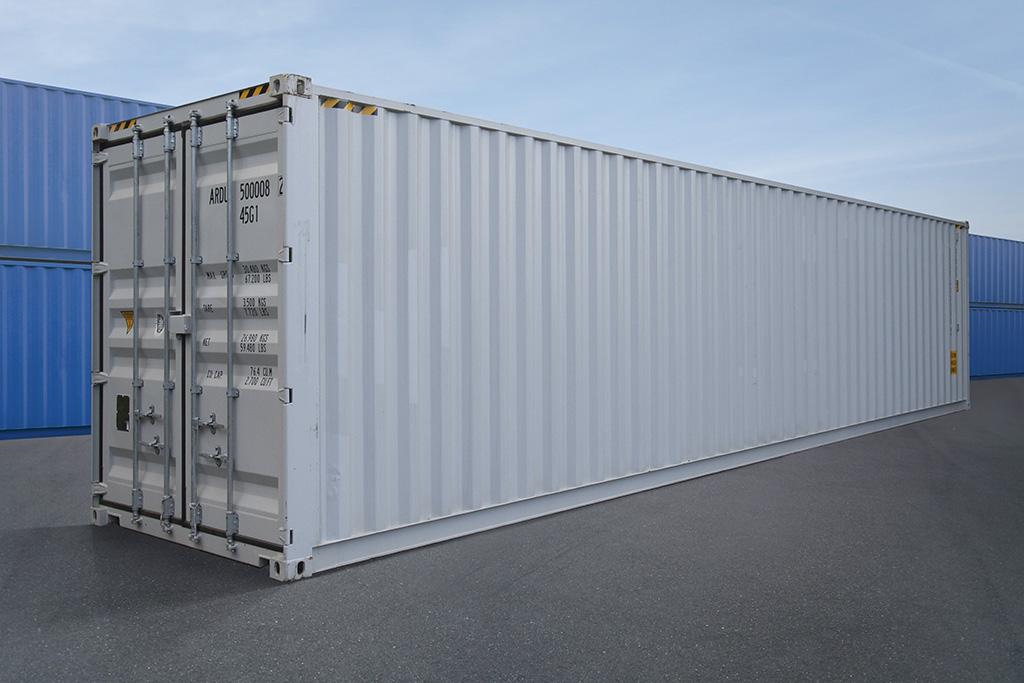
If this sounds like you, have a look at our new 40ft shipping container or the 40ft one trip shipping container.
Two 20ft Containers or One 40ft Container?
This question comes up a lot, so it’s worth answering directly. Two twenties give you about the same space as one forty, minus a little because of the extra end walls. Here’s how they compare in practice.
| Two 20ft containers | One 40ft container | |
|---|---|---|
| Total volume | Approx. 66.4 m³ | Approx. 67.7 m³ |
| Purchase price | Higher | Lower |
| Delivery | Two units to deliver | One unit to deliver |
| Site flexibility | Can be placed separately | Needs one long, level spot |
| Access | Four doors across two units | Two doors at one end |
| Payload | Roughly double | Single container limit |
| Moving later | Easier, forklift possible | Needs crane or tilt truck |
If you need maximum space at the lowest cost and have room for it, buy the forty. If your site can’t take a forty, your goods are heavy, or you value being able to reach the back of your storage easily, two twenties are worth the extra spend.
There’s also a middle option. A 40ft double door container has doors at both ends, so nothing is more than six metres from a door. Our one trip 40ft double door container is popular with buyers who like the space of a forty but hate digging to the back.
Using the Container for Shipping vs Storage
The 20ft vs 40ft shipping container decision looks slightly different depending on whether the box will travel with cargo or stay put on your land.
For shipping cargo
Cargo density decides it. Heavy goods go in twenties, light goods in forties. Make sure any container you plan to ship carries a valid CSC safety approval plate under the International Convention for Safe Containers, because shipping lines and ports will check it. New and one trip containers have current plates as standard, while used units need to be cargo worthy.
For fixed storage
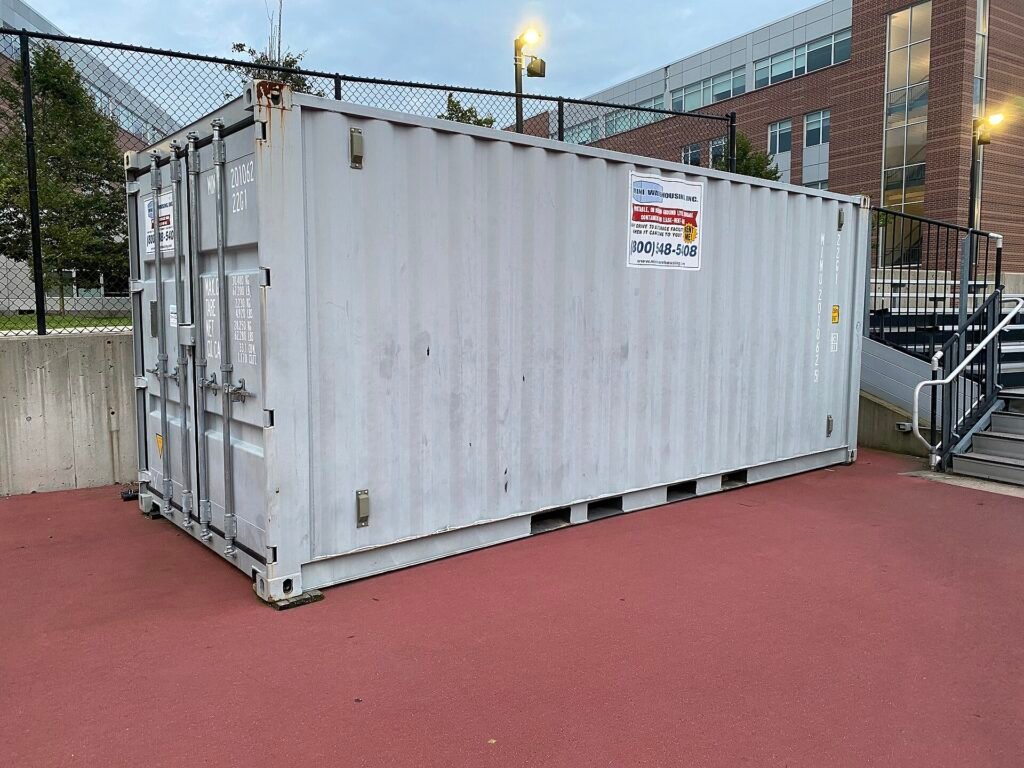
Site access and volume decide it. If the forty fits and you’ll use the space, it’s the better value. If it doesn’t fit, or you’d only use half of it, the twenty is the sensible buy. For storage only, a wind and watertight used container is usually enough, and our used 20ft shipping container and used 40ft shipping container are the lowest-cost routes to secure space.
Conversions: Which Size Works Better?
For offices, workshops, studios and site cabins, both sizes are common, but they suit different projects.
A 20ft conversion gives you around 13 to 14 m² of floor before insulation. That works for a single office, a small workshop, a garden studio or a ticket booth. It’s easier to transport and place, which matters if the building may move between sites.
A 40ft conversion gives you around 28 m², enough to split into two rooms, add a small toilet or kitchenette, or combine an office with storage. The extra length makes a noticeable difference to how usable the space feels.
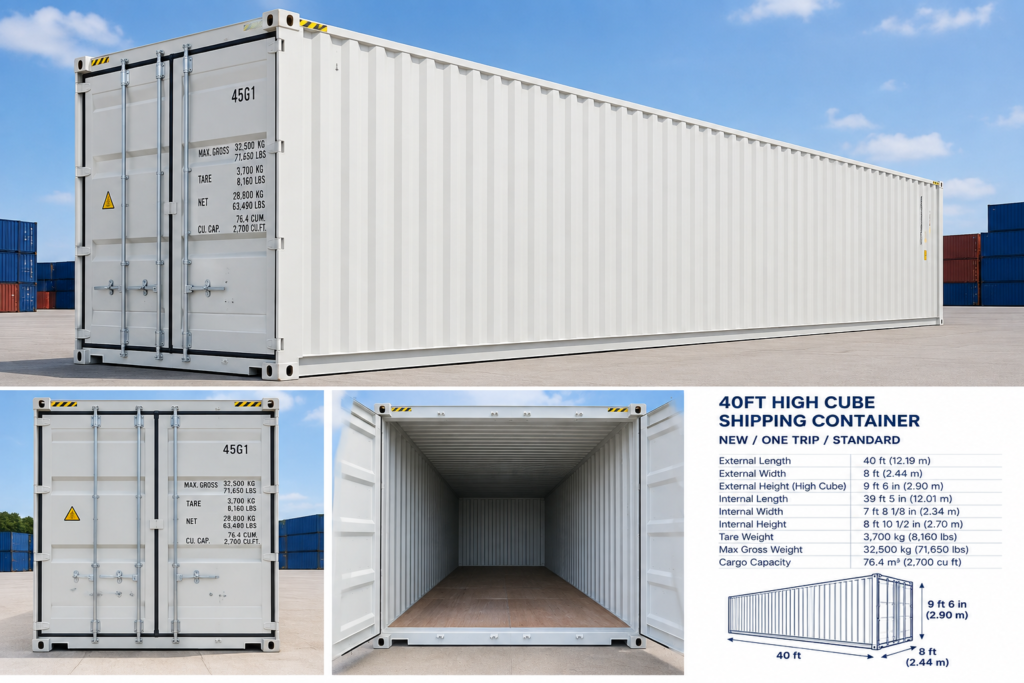
Whatever the length, consider a high cube for any space people will spend time in. Insulation and a ceiling lining take height away quickly, and the extra foot keeps the room feeling normal. Our new 40ft high cube container is the usual starting point for larger builds, and our container modification service can fit doors, windows, insulation and power before delivery.
Condition Matters as Much as Size
Once you’ve picked a size, you’ll need to pick a condition. We sell three grades in both lengths:
- New: never used, unmarked paint, full seal life. Best for conversions and visible sites.
- One trip: built new, then used for a single voyage. Near-new condition at a lower price.
- Used: retired from shipping service, wind and watertight, with visible wear. Best for budget storage.
We explain the trade-offs in detail in our guide to one trip vs used shipping containers.
Questions to Answer Before You Order
Run through these and the right size usually becomes obvious:
- How much do you need to store or ship? Estimate the volume, then add 20% for access and growth.
- How heavy is it? If the load is dense, the twenty is the safer choice.
- Where will the container sit? Measure the spot, including space to open the doors.
- Can the truck get there? Check the approach, turning room, ground and overhead clearance.
- Will it ever move? Twenties are easier to relocate.
- Who needs access, and how often? Daily access favours shorter boxes or double doors.
- Will it ship cargo? If yes, it needs a valid CSC plate.
If you’re still unsure after that, send us your answers and we’ll recommend a size. That’s a normal part of how we sell containers, and there’s no obligation.
Stacking and Combining Containers
Containers are built to stack, and that can change the size decision. Two 20ft containers can sit one on top of the other on a small footprint, provided the ground is firm, the corners line up and the top unit is lifted into place by a crane and secured at the corner castings. A 20ft container can also sit on top of a 40ft at one end, as long as it rests on the forty’s corner castings rather than its roof panels.
For larger projects, containers are often placed side by side and joined into one space, with walls cut out between them. Offices, workshops and site welfare units are commonly built this way. Two 40ft high cubes side by side give a floor area of nearly 58 m², which is enough for a proper office or a small workshop with storage.
Any stacking or joining should be planned properly. Cutting walls weakens the structure, so openings need reinforcing, and stacked containers in exposed locations may need to be tied down against wind. If you’re planning this kind of layout, tell us at quote stage so we can suggest the right sizes and arrange the work through our modification team.
Common Mistakes When Choosing a Container Size
Buying on volume alone. A forty looks like the obvious value until you realise your cargo is heavy or the truck can’t reach your site.
Forgetting door clearance. Container doors swing outward and need around 2.5 m in front of them. A box squeezed against a fence is hard to use.
Not planning for growth. Many storage buyers fill a twenty within a year. If you’re close to the limit, size up now or plan for a second unit.
Ignoring height. If you need to stack pallets or store tall equipment, a high cube may solve the problem without moving to a longer container.
Frequently Asked Questions
Is a 40ft container exactly twice as big as a 20ft?
Almost. Internally a forty is about 12.03 m long against 5.90 m for a twenty, so it holds slightly more than double the volume, around 67.7 m³ compared with 33.2 m³.
Can a 40ft container carry twice the weight?
No. Both sizes have similar maximum gross weights, so a forty’s payload is about the same as a twenty’s. Heavy goods are better shipped in 20ft containers.
Which size is cheaper per cubic metre?
Usually the 40ft. It costs more to buy but nowhere near twice as much as a 20ft, and freight rates follow a similar pattern.
Do both sizes have the same doors?
Yes. Standard 20ft and 40ft containers have the same door width and very similar door height, so anything that fits through one fits through the other.
Which size do you sell?
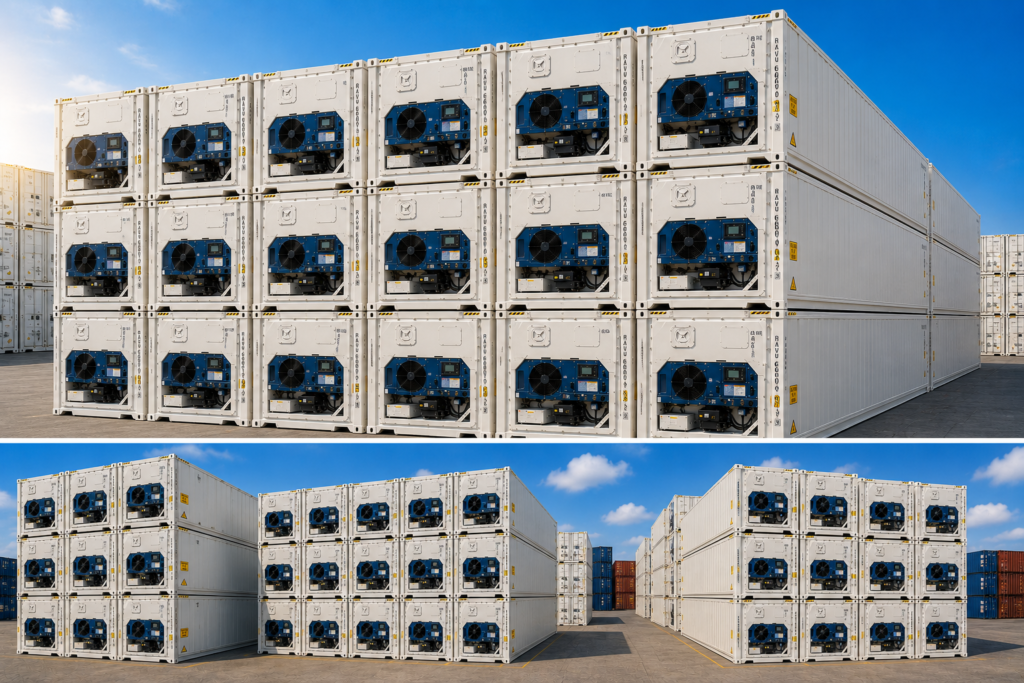
Both. Prime Cargo Box sells 20ft and 40ft containers in new, one trip and used condition, plus high cube, double door, open side, open top and refrigerated versions. If you need cold storage, read our guide to buying a reefer container first, because reefers hold less than a dry box of the same length. For a side-by-side look at every option, see our guide to the types of shipping containers. Browse our 20ft containers and 40ft containers, or contact us for a delivered price anywhere in the world.
Choosing Between a 20ft and 40ft Container
The 20ft vs 40ft shipping container choice comes down to three things: how much space you need, how heavy your goods are and if your site can take the longer box. Get those right and either size will serve you for years. If you want a second opinion, tell us what you’re storing or shipping and where it’s going, and we’ll suggest the container that fits.
Cover photo: Rob Dammers / CC BY 4.0, via Wikimedia Commons.