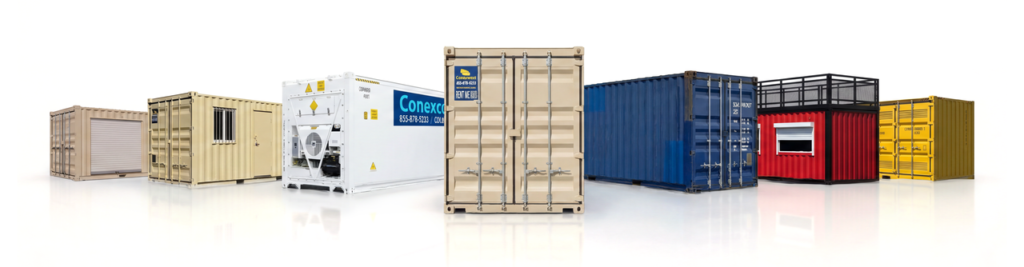
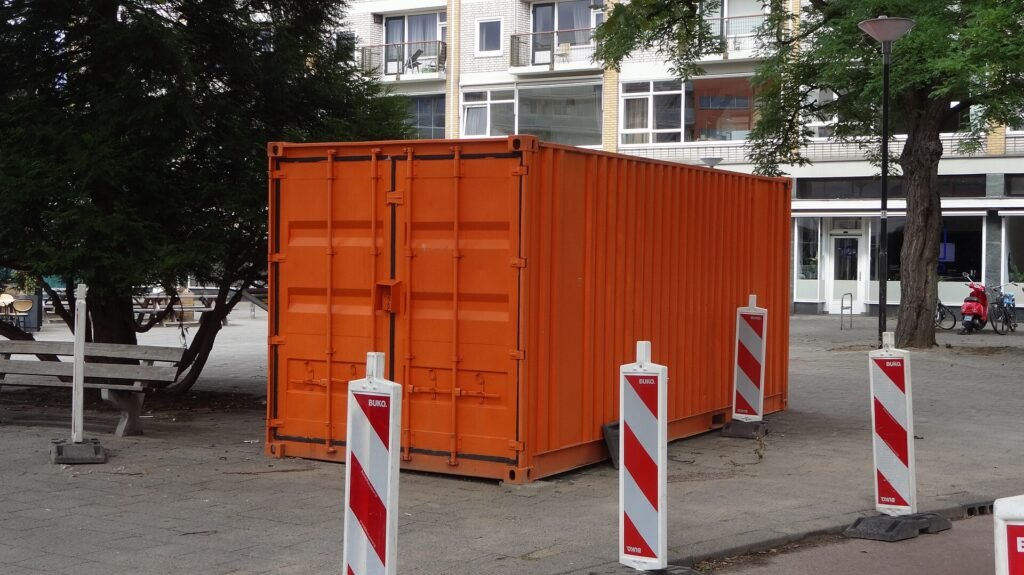
Our storage containers for sale start at $1,000 for a used 20ft and $1,900 for a used 40ft, with one trip and new units for buyers who want a cleaner box that will last longer. Every one is a steel shipping container with lockable cargo doors, sold wind and watertight, with its photos, specifications and current price on its own product page. You can order online or ask our team which size suits what you need to store.
A steel container is one of the simplest ways to add secure space. It arrives in one piece, sits on a few blocks or a gravel pad, needs no foundations, and keeps out rain, rodents and most thieves. When you no longer need it on one site, it can be moved to another. This guide covers how to pick the right storage container, how much fits inside, how to keep the contents dry and secure, and which of our containers suit each kind of buyer.
Quick answers
- Cheapest option: a used 20ft container, listed at $1,000.
- Most space for the money: a used 40ft, listed at $1,900, with about 67 cubic metres inside.
- Best for tall items: a used 40ft high cube, listed at $2,200, with about 2.70 m of inside height.
- Best looking: a one trip or new box, such as the one trip 20ft or new 40ft.
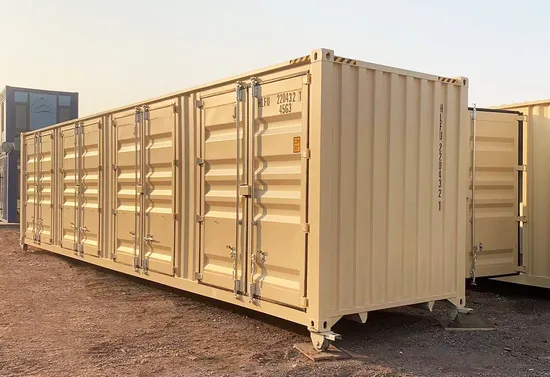
- Easiest access: a double door or open side container.
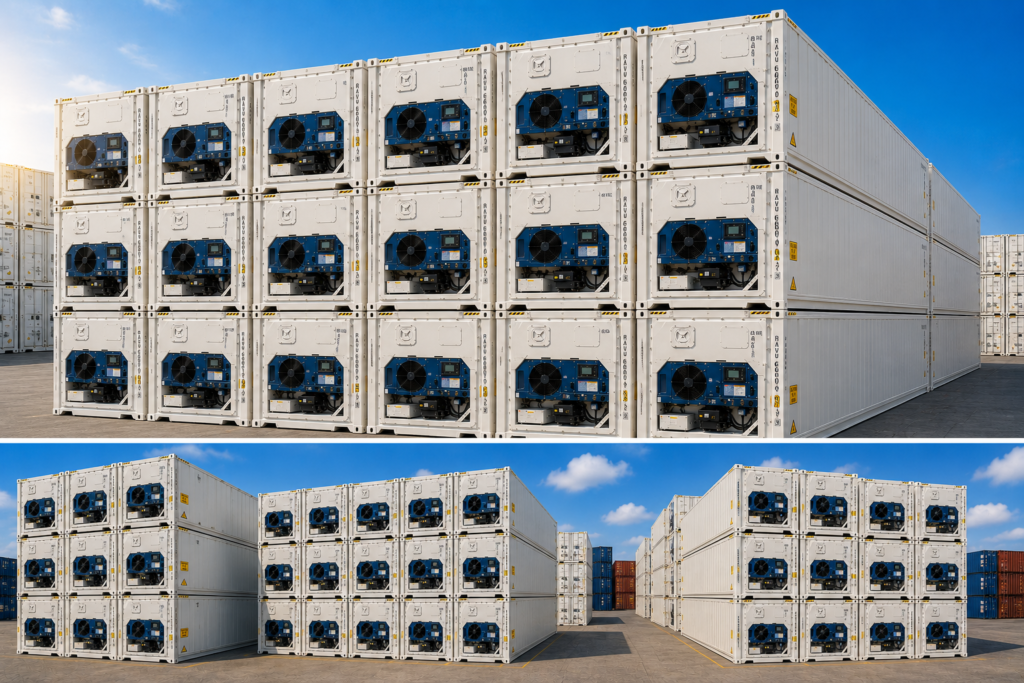
- Cold storage: a refrigerated container.
Storage containers for sale at a glance
These are the containers most people choose for storage, with our listed prices at the time of writing in US dollars, before delivery. Click any name to see photos, full specifications and the current price.
| Container | Inside space | Price | Good for |
|---|---|---|---|
| Used 20ft | about 33 m³ | $1,000 | Home, garden and site storage on a budget |
| One trip 20ft | about 33 m³ | $1,550 | Storage beside a house or shop |
| Used 20ft high cube | about 37 m³ | $1,650 | Taller items and shelving |
| Used 20ft double door | about 33 m³ | $1,950 | Access from both ends |
| Used 40ft | about 67 m³ | $1,900 | Bulk storage, farms, equipment |
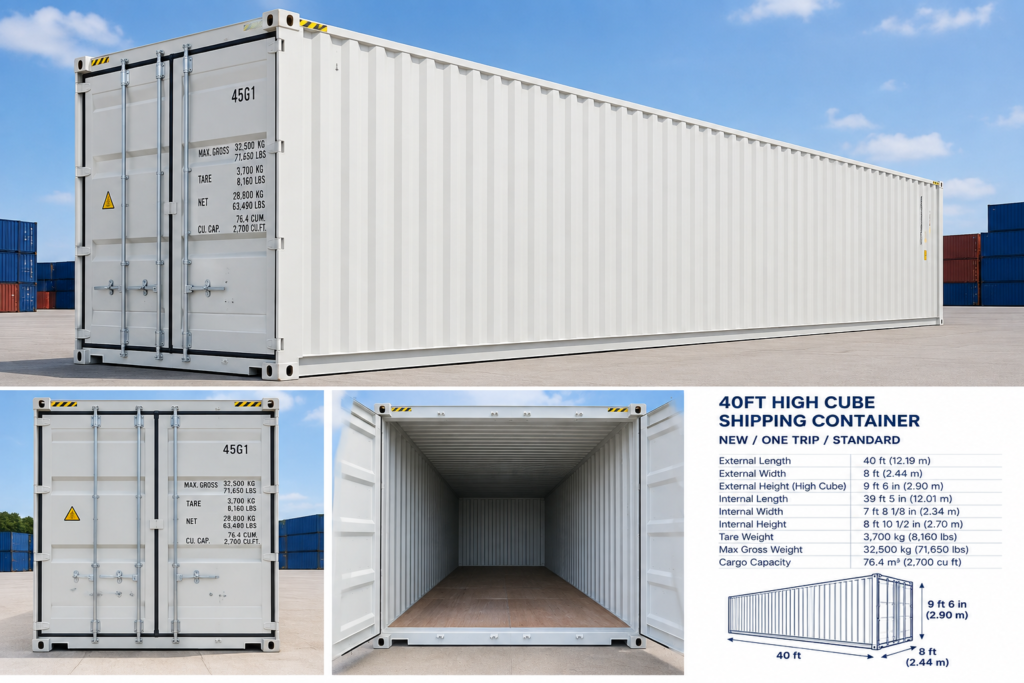
| Used 40ft high cube | about 76 m³ | $2,200 | Racking, machinery, tall stock |
| New 40ft | about 67 m³ | $3,400 | Long-term storage that stays tidy |
| New 40ft high cube | about 76 m³ | $3,800 | Premium storage and workspace |
Prices change as stock moves, so the product page always shows the current figure. For a full breakdown, including specialist types, see our guide to shipping container prices.
Why a shipping container makes good storage
Storage sheds, garages and rented units all have their place, but a steel container solves a few problems none of them handle as well.
- It is built to survive the sea. Containers are designed to be stacked on ships, lifted by cranes and left out in salt spray for years. Sitting in a yard is an easy life by comparison.
- It is secure. Steel walls, a steel floor frame and heavy locking bars on the doors make it much harder to break into than a timber shed.
- It is weatherproof. A wind and watertight box keeps out rain and wind, and the steel frame does not rot or warp.
- It is portable. No foundations, no building work. If you move, the box can move with you.
- It is standard. Every 20ft and 40ft box shares the same outside size and corner fittings, set by the international standards for intermodal containers, so trucks, chassis and lifting gear everywhere can handle it.
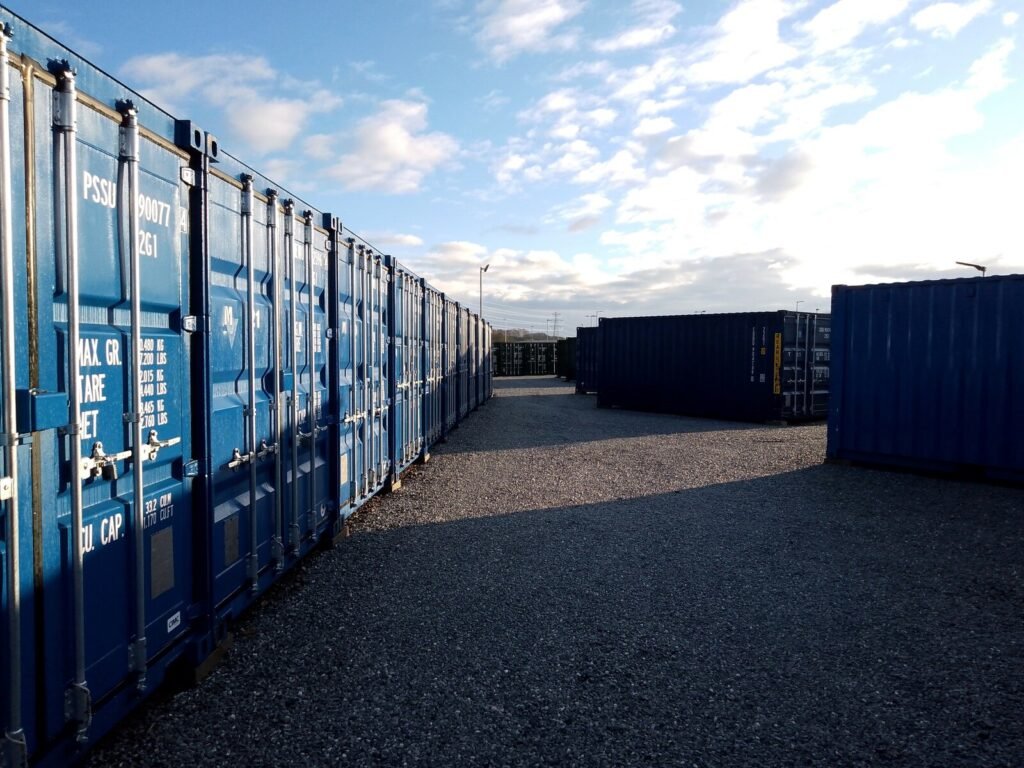
Containers are built from weathering steel, often called corten, which forms a stable layer of rust that slows further corrosion. You can read how that steel behaves in this short guide to weathering steel. A coat of paint over any scratches keeps it in good shape for years.
Buying a storage container vs renting storage
Most people who look at storage containers for sale are also weighing up a rented storage unit or a container rental. Each option fits a different situation. If price is the main concern, see our guide to cheap shipping containers.
| Option | Best when | Trade-offs |
|---|---|---|
| Buy a container | You need storage for more than a few months, on your own land | Upfront cost and delivery, but no ongoing rent and you keep the box |
| Rent a container | Short jobs such as a renovation or a house move | Rent adds up over time, and you return the box at the end |
| Rent a storage unit | You have no space on site, or need storage near a city centre | Ongoing fees, travel to reach your things, access hours set by the facility |
The longer you need the space, the more buying makes sense. A container you own can often be resold when you no longer need it, and it sits right where you need it rather than across town.
How much fits in a storage container?
This is the question that decides the size. Here is what the main storage containers for sale hold, using typical inside measurements for steel dry boxes.
| Size | Inside (L x W x H) | Floor area | Roughly holds |
|---|---|---|---|
| 10ft | about 2.83 x 2.35 x 2.39 m | about 72 sq ft | Garden tools, bikes, a small workshop bench |
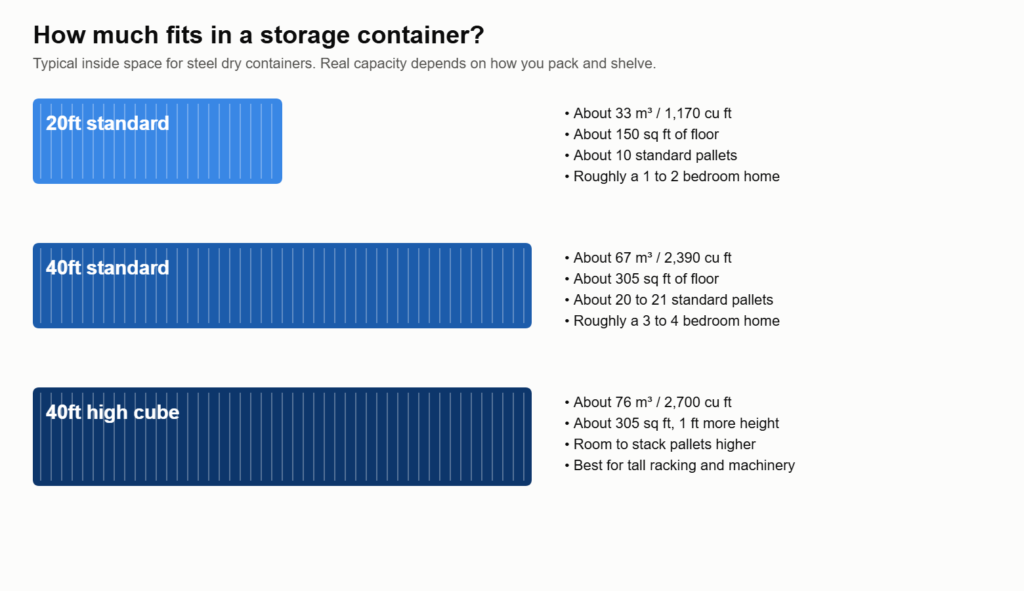
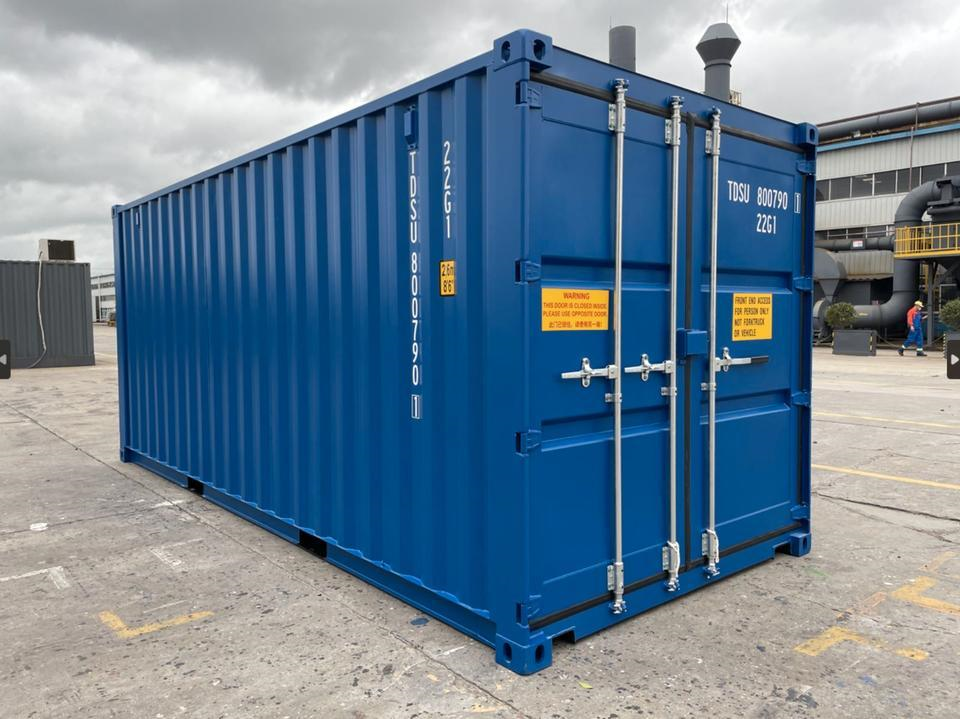
| 20ft standard | about 5.90 x 2.35 x 2.39 m | about 150 sq ft | A 1 to 2 bedroom home, or about 10 pallets |
| 20ft high cube | about 5.90 x 2.35 x 2.70 m | about 150 sq ft | The same, plus tall items and higher shelving |
| 40ft standard | about 12.03 x 2.35 x 2.39 m | about 305 sq ft | A 3 to 4 bedroom home, or about 20 to 21 pallets |
| 40ft high cube | about 12.03 x 2.35 x 2.70 m | about 305 sq ft | The same, plus room to stack higher |
Leave 10 to 20 percent of the space empty if you want to reach things easily. A box packed wall to wall is fine for long-term storage, but frustrating if you need something from the back every week. Our guide to shipping container dimensions has door openings, weights and pallet counts for every size.
20ft or 40ft for storage?
If your site can take it, a 40ft gives twice the floor area for much less than twice the price. Our used 40ft is listed at $1,900, against $1,000 for a used 20ft. A 20ft is easier to deliver, fits on most driveways and is simpler to move later. Our 20ft vs 40ft shipping container guide goes through the trade-offs in detail.
Standard or high cube?
For boxes, furniture and pallets stacked once, a standard height is enough. If you plan tall shelving, store machinery, or want to stack pallets two high, the extra foot of a high cube pays for itself. On a used 40ft, the high cube costs only $300 more than the standard height. Our high cube vs standard container comparison explains when it is worth it.
What to check when comparing storage containers for sale
Storage containers for sale can look alike in photos, but the details decide whether a box is a good buy. Before you pay anyone, ours included, check these points.
- The grade, in writing. “Used” can mean anything from near new to scrap. You want wind and watertight as a minimum.
- Photos of the actual box or batch. Look at the roof edges, door seals, floor and corner posts.
- The height. Check whether it is a standard height or a high cube. The listing should say.
- The doors. Ask whether they open and lock smoothly. Stiff doors are a daily annoyance on a storage box.
- The floor. A sound floor matters if you will roll trolleys or pallet jacks inside.
- The delivered price. Compare like with like. A cheap box with a long, expensive delivery may cost more than a dearer one nearby.
- What happens if it arrives damaged. A seller with a published returns policy is easier to deal with than one without.
Every product page on our site shows the grade, photos, specifications and price, and our policies are published in full, so you can check all of this before you order any of our storage containers for sale.
Used, one trip or new: which grade for storage?
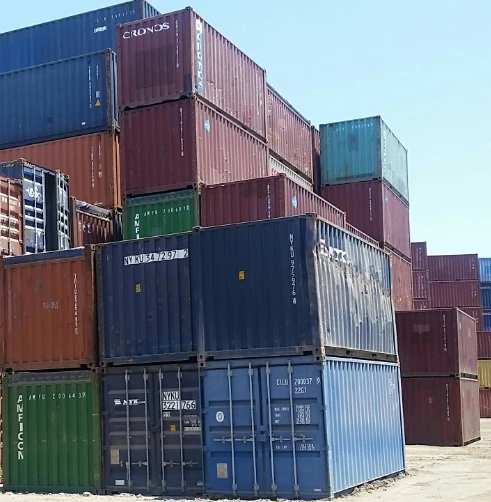
For most storage jobs, a used container is the smart buy among storage containers for sale. It has done its years at sea, so it shows dents and surface rust, but a wind and watertight box keeps your things just as dry as a new one.
| Grade | Choose it if | Example |
|---|---|---|
| Used, wind and watertight | The box will sit in a yard, behind a barn or on a building site | Used 40ft, $1,900 |
| One trip | It will sit beside your house or shop where people see it | One trip 20ft, $1,550 |
| New | You want the longest life and the cleanest look | New 40ft, $3,400 |
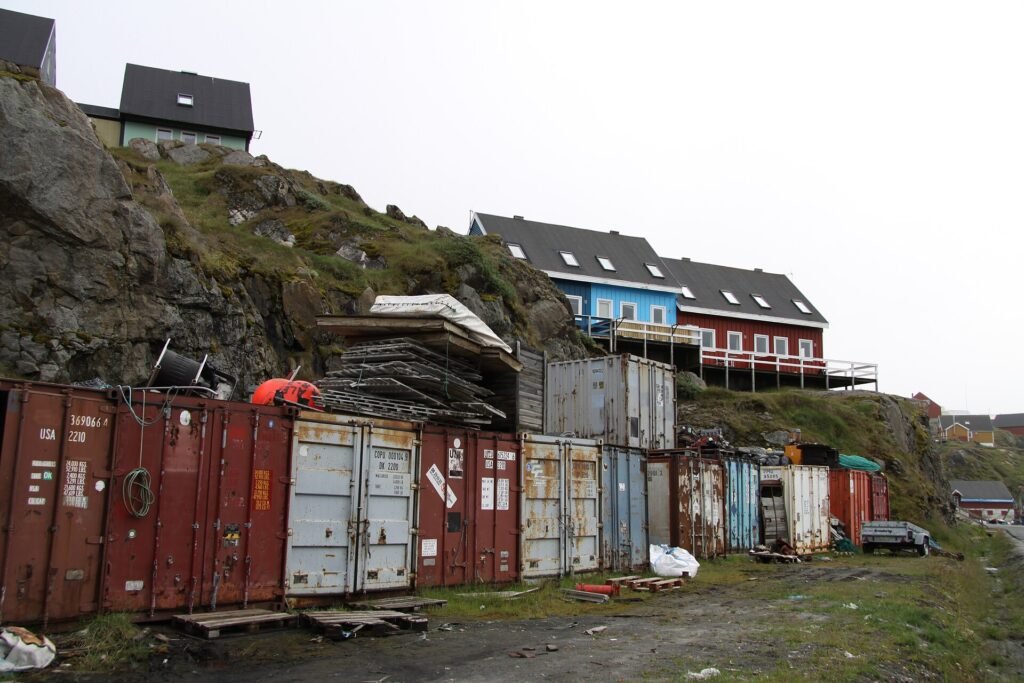
Inspectors judge used containers against published repair standards, such as those set by the Institute of International Container Lessors. You do not need to know those rules, but always ask which grade a box meets. Our one trip vs used shipping container guide explains each grade, and every unit in our used shipping containers range states its grade on the product page.
Storage containers for sale for every kind of buyer
Homeowners
Homeowners make up a big share of people browsing storage containers for sale. Garage overflow, garden equipment, bikes, seasonal decorations, furniture during a renovation: a used 20ft container handles all of it. If it will sit in full view of the house, the one trip 20ft looks far tidier and can be painted to match.
People moving house
Moving in stages or waiting on a new home? A container on the driveway lets you pack at your own pace, and a 20ft holds roughly the contents of a one or two bedroom home. For a larger family home, a 40ft gives you the space in one box.
Farms and rural properties
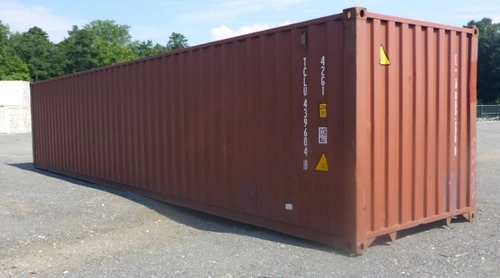
Feed, fertiliser, tools and machinery all store well in steel. A used 40ft high cube gives you height for larger equipment, and a used 40ft double door lets you drive in at one end and out the other.
Builders and contractors
A lockable box on site keeps tools and materials safe overnight. A 20 footer is easier to place on tight sites and to move between jobs. Crews who go in and out all day often prefer a double door 20ft so they can reach materials from either end.
Shops and small businesses
Seasonal stock, packaging, records and spare equipment take up valuable floor space inside a shop. A container out the back frees that space. If you need a lot of stock close at hand, an open side 20ft lets you reach the whole length of the box at once.
Schools, clubs and community groups
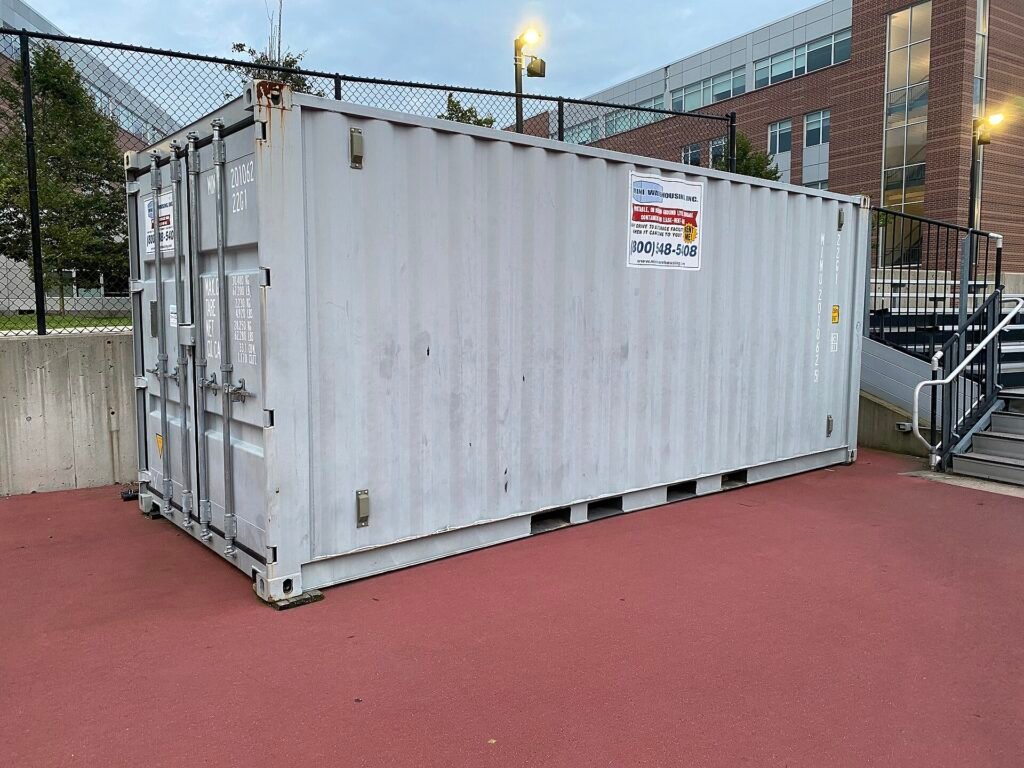
Sports equipment, event gear and maintenance tools all fit neatly in a 20ft or 40ft, and a steel box is far harder to break into than a timber shed. Many groups paint theirs in club colours.
What can you store in a container?
Almost anything that would sit in a garage, shed or warehouse. A few items need a little extra thought.
Furniture and household goods
Wrap furniture in breathable covers rather than plastic, which traps moisture. Stand mattresses on their sides off the floor, and leave a small gap between furniture and the walls so air can move.
Documents and records
Paper is the most sensitive to damp. Use sealed plastic boxes, keep them on shelves well off the floor, and add moisture absorbers. For important records, an insulated container is worth the extra.
Vehicles, boats and machinery
A 20ft holds one car and a 40ft holds two small cars, as long as they clear the door opening of about 2.34 m wide and 2.28 m high (about 2.58 m on a high cube). Disconnect batteries for long storage and strap vehicles to the lashing rings if the box will be moved.
Garden and farm equipment
Mowers, tillers and small tractors store well. Drain or stabilise fuel before long storage, and keep fuel cans out of the container where possible.
Business stock and inventory
Retailers and online sellers use containers as overflow stock rooms. Shelve by product line, keep fast sellers near the doors, and keep a simple stock list on the inside of the door.
What not to store
Avoid perishable food (unless you use a refrigerated container), living things, and flammable or hazardous materials. Check your insurance terms and local rules before storing anything unusual.
Storage container, shed or garage extension?
When people compare storage containers for sale with other options, the choice usually comes down to speed, security and whether the storage needs to stay forever.
| Option | Strengths | Weak points |
|---|---|---|
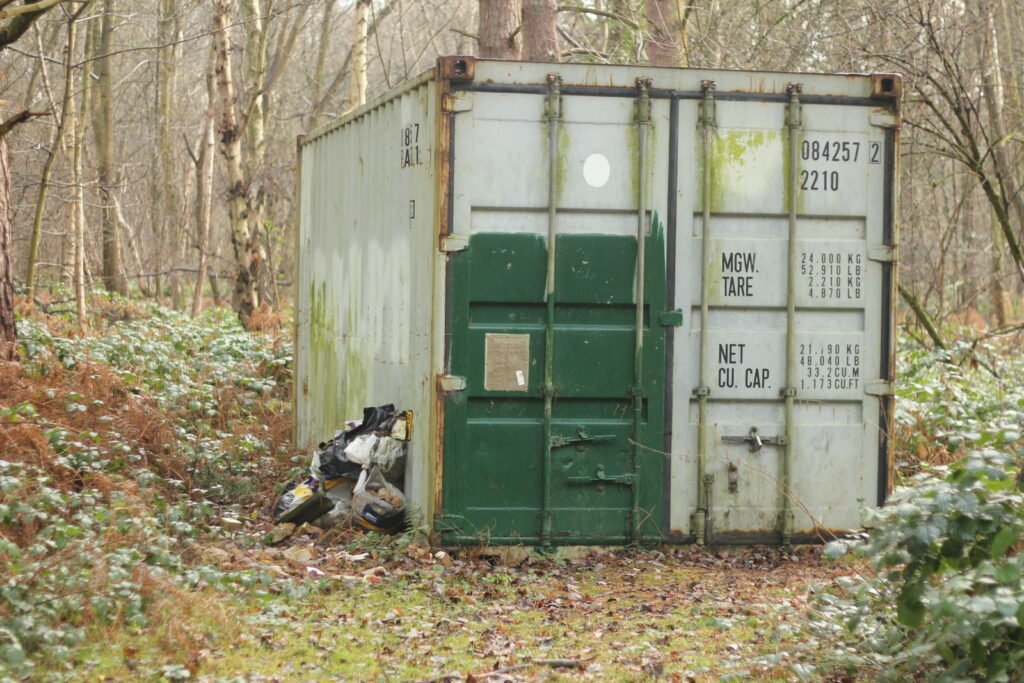
| Steel storage container | Very secure, weatherproof, arrives ready to use, can be moved | Needs truck access; plain industrial look unless painted |
| Timber or metal shed | Cheap for small sizes, easy to fit in a garden | Easy to break into; timber rots; small capacity |
| Garage extension | Permanent and adds to the house | Building work, permits, time and much higher cost |
If you need a lot of secure space quickly, a container is hard to beat. If you only need room for a lawnmower, a shed is probably enough.
Looking after your storage container
Containers need very little care, but a few habits keep them in good shape for many years.
- Check the corners once a year and re-pack any that have sunk.
- Touch up scratches with metal primer and paint before rust spreads.
- Grease the door hinges and locking bars once or twice a year.
- Clear leaves and standing water from the roof, especially on a box under trees.
- Replace torn door seals before water gets in.
Storage containers for sale for businesses
Businesses buy storage containers for sale for the same reasons homeowners do, at a larger scale. A container gives a shop, workshop, warehouse or farm extra secure space without building work, and it can be moved if the business does. Common business uses include:
- Overflow stock and seasonal inventory.
- Tool and equipment stores on building sites.
- Archive storage for records, with insulation and shelving.
- Cold storage for food businesses, using a refrigerator container.
- Secure storage for event equipment, signage and furniture.
If you need several boxes, ask about delivering them together, which is often cheaper per box than separate trips. For a site office as well as storage, our modified shipping containers combine both in one unit.
New or used storage containers for sale: a worked example
Say you need about 65 cubic metres of storage behind a workshop. Using our listed prices, a used 40ft costs $1,900 and a new 40ft costs $3,400. Both hold the same amount and both keep the weather out. The used box saves $1,500, which pays for shelving, a lock box, vents and moisture absorbers with money to spare. The new box makes sense if it will sit in front of customers, if you want the longest possible life, or if you might convert it into a workspace later. That is the pattern with most storage containers for sale: buy used for pure storage, and new or one trip when looks or future plans matter.
Painting and customising a storage container
A container does not have to look industrial. Many buyers repaint theirs to blend in with a house, garden or business, and a fresh coat also protects the steel.
- Prepare the surface. Wash it, wire-brush any loose rust and prime bare metal.
- Use a paint made for metal. Direct-to-metal or marine paints last longest outdoors.
- Pick a colour that suits the setting. Greens and greys blend into gardens; brand colours work for businesses.
- Add practical extras. A personnel door, a window, a roof liner or a ramp can make a storage box much easier to use day to day.
If you would rather have it done before delivery, our custom container modifications page lists what we can fit.
Using a storage container safely
A container is a simple steel room, but a few habits keep everyone safe around it.
- Prop the doors open while you work inside, so they cannot swing shut in the wind.
- Keep air moving. A closed box can get very hot in summer. Open the doors for a while before spending time inside.
- Light the inside. A battery lamp or a fitted light stops trips over stored items.
- Stack heavy items low and strap tall loads to the lashing rings.
- Never store fuel or chemicals in a sealed box where fumes can build up.
Keeping your storage container secure
Every one of our storage containers for sale is already much harder to break into than a shed, but a few additions make it a lot harder still.
- Use a shrouded or closed-shackle padlock. Standard padlocks have an exposed shackle that bolt cutters can reach. A closed-shackle lock leaves almost nothing to grip.
- Fit a lock box. A steel box welded over the lock area protects the padlock from cutting and prying. It is one of the most useful extras you can add.
- Place it with the doors facing a wall or the house. Leave enough room to open them, but make it awkward for anyone to work on the lock unseen.
- Add lighting or a camera if the box sits on a remote site.
- Keep valuables out of sight when the doors are open, and keep a list of what is inside for insurance.
If you would like these fitted before delivery, our modified shipping containers range covers lock boxes, extra doors, vents, shelving and lighting.
Keeping the contents dry
A wind and watertight container keeps rain out, but it can still get damp inside. Steel walls cool quickly at night, and when warm, moist air inside meets cold steel, water forms on the walls and roof. This is ordinary condensation, and it is easy to control once you know it happens.
- Keep the vents clear. Most containers have small vents high on the side walls. Do not block them, and add more if you store anything that holds moisture.
- Store on pallets. Lifting goods off the floor keeps them clear of any water that collects.
- Use moisture absorbers. Bags or tubs of desiccant soak up moisture in the air. Swap them when they are full.
- Do not store wet items. Damp clothing, timber or cardboard adds moisture that has nowhere to go.
- Consider insulation or a roof liner for paper records, furniture, fabrics and electronics. It reduces the temperature swings that cause condensation.
- Raise and level the box. Blocks or sleepers under the corners keep the floor off wet ground and let air flow underneath.
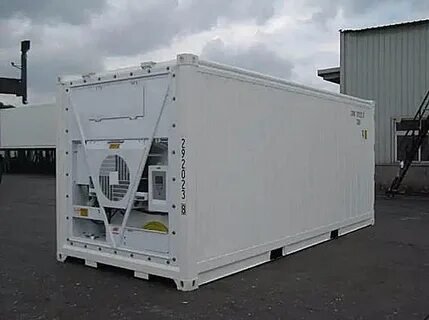
If you need to keep goods at a set temperature, a refrigerated container is the better tool. Our refrigerated shipping containers and refrigerator containers are sold in working order, and our guide to buying a reefer container explains what to check.
Getting the most space out of a storage container
- Shelve both long walls and keep a clear aisle down the middle. Shelving roughly doubles the useful space in most boxes.
- Keep everyday items near the doors and long-term items at the back. If you need the back often, a double door container solves it.
- Use the height. Light items go up top, heavy items stay low. A high cube gives you an extra foot to play with.
- Use the lashing rings along the floor and roof rails to strap tall items so they cannot fall.
- Label boxes on the side facing the aisle. It saves a lot of time when you are looking for one thing.
Placing a storage container on your property
Before you order, choose the spot and check the route the delivery truck will take.
- Firm, level ground. Compacted gravel, concrete pads or sleepers under the four corners all work. Soft ground lets a corner sink, which twists the frame and jams the doors.
- Room for the doors. They swing outward, so leave clear space in front about as wide as the container.
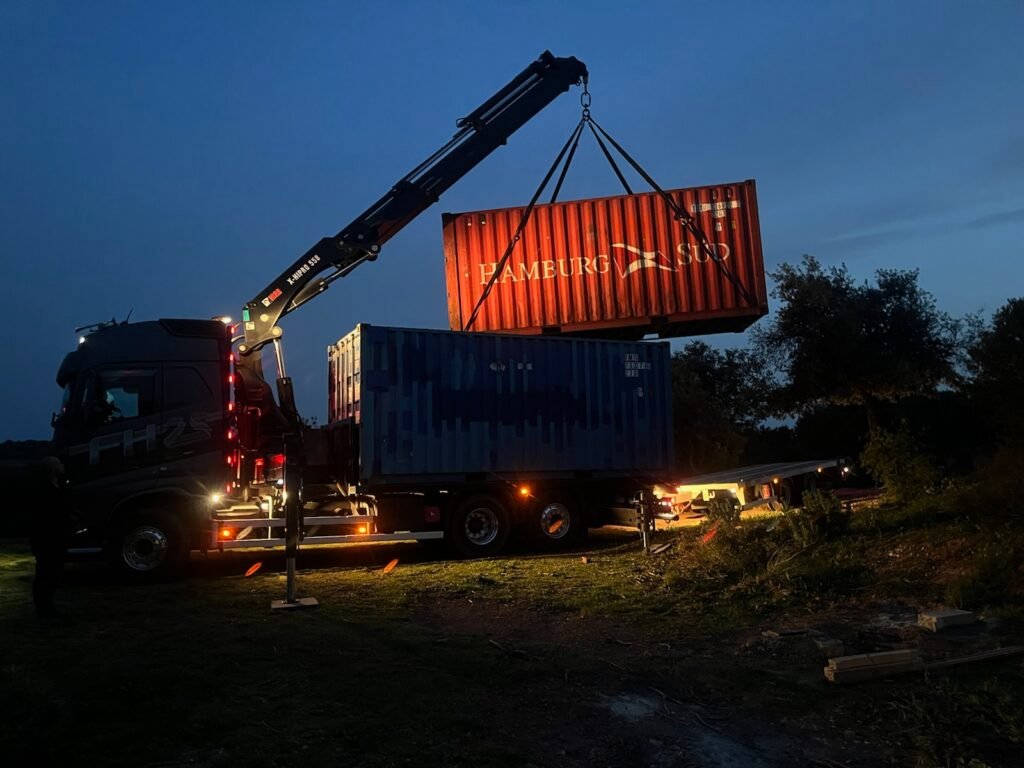
- A clear truck route. Delivery trucks need a long, straight approach and overhead clearance for tipping the box off. Watch for power lines, branches and narrow gates.
- Local rules. Some councils and local authorities want a permit for a container that stays on a property long term, especially in residential areas. Check before you order.
- Neighbours. A one trip box or a coat of paint goes a long way if the container is visible from the street.
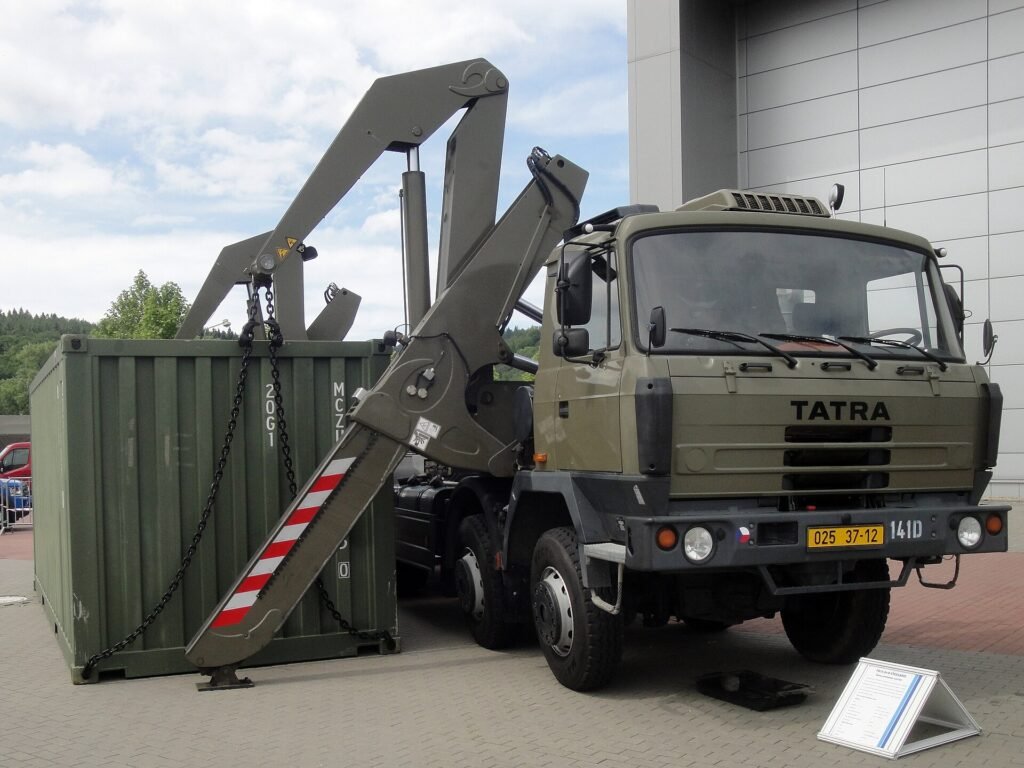
Our shipping container delivery guide explains how to measure your site and what each delivery method needs, and our Shipping and Delivery Policy lists the site conditions the driver will expect.
Special storage containers for special jobs
| Type | Why it helps for storage | Example |
|---|---|---|
| Double door | Reach the back without unloading the front; split the box into two zones | One trip 20ft double door, $2,500 |
| Open side | Open the full length to load wide items or see everything at once | Used 20ft open side, $2,950 |
| Refrigerated | Chilled or frozen storage for food, flowers or medicines | Used 20ft reefer, $5,800 |
| Modified | Shelving, lighting, insulation and lock boxes fitted before delivery | Built to order |
Three storage plans that work
Here is how three typical buyers might set up their containers. They are examples, not rules, but they show how size, grade and layout fit together.
A family moving house in stages
They need room for most of a three bedroom home while work finishes on the new place. A used 40ft on the driveway takes the furniture and boxes in one go. Heavy items such as wardrobes and the fridge go in first at the far end, boxes stack in the middle, and everything needed in the next few weeks sits by the doors. Moisture absorbers along the walls and a breathable cover over the sofa keep it all fresh.
A contractor running two sites
Two used 20ft containers cost about the same as a single 40ft but can sit on different sites. Each gets shelving down one wall for hand tools and fixings, with the other wall left clear for materials and the small plant. A lock box on each door deters theft overnight.
A small shop freeing up floor space
Seasonal stock and packaging take up a back room that could be selling space. A one trip 20ft behind the shop, painted to match the building, becomes the stock room. Shelving runs down both long walls with a clear aisle, fast sellers sit near the doors, and a printed stock list hangs on the inside of the door.
Short-term and seasonal storage
Not every storage need lasts for years. Renovations, house moves, harvest season, holiday stock and event equipment all create short bursts of demand. For those, people often rent first and buy later, but buying a used box and selling it on afterwards can work out well if the need comes back every year. Farms that store feed through winter, shops that hold holiday stock, and clubs that store equipment out of season are good examples of buyers who end up owning rather than renting.
Why delivery cost matters when comparing storage containers for sale
Containers are heavy, so where the box sits today affects the total you pay. When you compare storage containers for sale from different sellers, compare the delivered total rather than just the box price. A seller with stock closer to you can often get it to you more cheaply, and a site that is ready on delivery day avoids a second trip. Our delivery guide covers what the truck needs, and our team can confirm delivery to your address before you order.
What comes with our storage containers for sale
Every steel dry container we sell for storage shares the same basic build. Here is the short specification.
| Feature | Specification |
|---|---|
| Construction | Corrugated weathering steel walls and roof on a welded steel frame |
| Doors | Double cargo doors at one end with locking bars and rubber seals (both ends on double door units) |
| Floor | Thick marine plywood or hardwood on steel cross members |
| Outside width | 8 ft (2.44 m) |
| Outside height | 8 ft 6 in (2.59 m) standard, 9 ft 6 in (2.90 m) high cube |
| Lengths | 20 ft (6.06 m) and 40 ft (12.19 m), with 10ft, 45ft and 53ft on request |
| Corner castings | Eight, for lifting, stacking and securing |
| Ventilation | Air vents high on the side walls |
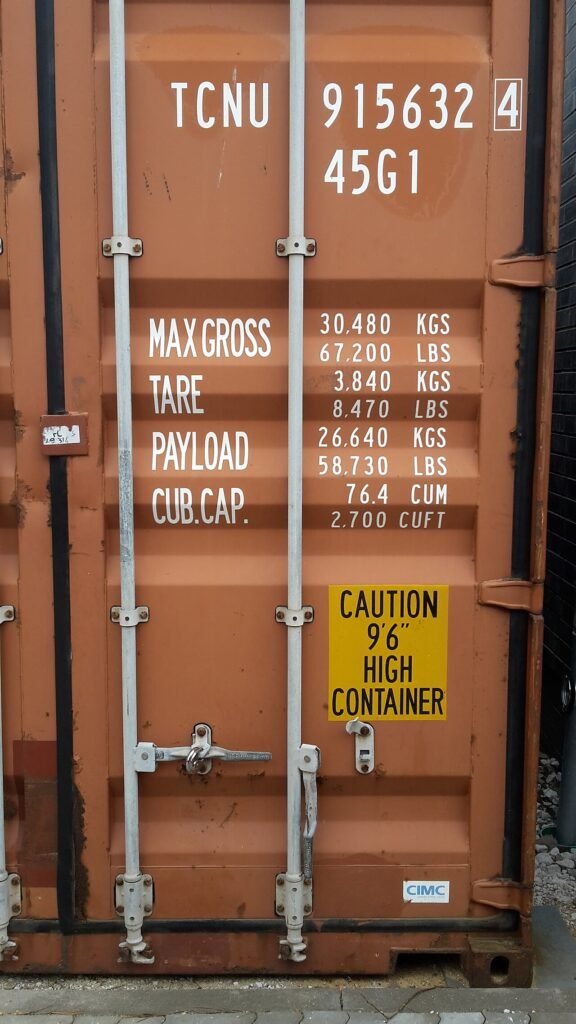
| Markings | Owner code, serial number, size code and weights on the door |
The owner code painted on each door is registered through the BIC code system, which shows the box is a genuine ISO container rather than a copy. Each product page lists the full specifications and condition for that unit.
How to order from our storage containers for sale
- Pick the size and grade from the table at the top of this page, or browse our categories.
- Open the product page and check the photos, specifications and price.
- Check that we can deliver to your address. If you are not sure, contact us first.
- Prepare a firm, level spot with room for the doors and a clear route for the truck.
- Order online. Payment options for your order are shown at checkout, and our Billing and Payment Policy explains them.
- Inspect the container when it arrives and report any problem quickly with photos, as set out in our Refund and Returns Policy.
Our step-by-step guide on how to buy a shipping container covers each stage in more detail, including questions to ask any seller and warning signs to watch for.
Mistakes to avoid when buying a storage container
- Buying too small. Storage needs grow. If you are on the fence, the larger box usually costs less per square foot.
- Paying for features you will not use. A standard used box does most storage jobs. Save the money for shelving and a good lock.
- Ignoring damp. Plan for vents and pallets from day one, especially for paper, fabrics and furniture.
- Placing it on soft ground. A sinking corner twists the frame and jams the doors.
- Forgetting the doors. A box pushed tight against a fence or wall may never open fully.
- Skipping the permit check. A quick call to your local council can save a lot of trouble later.
About Prime Cargo Box
Prime Cargo Box sells new, one trip and used shipping containers online, including 20ft and 40ft standard boxes, high cubes, double door, open side, open top and refrigerated units, plus custom container modifications and international container sales with export documentation. Every one of our storage containers for sale has its own product page with photos, specifications and a listed price, and our billing, delivery and returns policies are published in full. You can reach our team on +1 (209) 776 3645 or at contact@primecargobox.com.
Frequently asked questions about storage containers for sale
How much does a storage container cost?
At the time of writing, our used 20ft storage container is listed at $1,000, a used 40ft at $1,900 and a new 40ft high cube at $3,800, in US dollars before delivery. Prices change, so check the product page for the current figure.
What size storage container do I need?
A 20ft holds roughly the contents of a one or two bedroom home, or about 10 pallets. A 40ft holds about twice that. If you store tall items or plan high shelving, choose a high cube.
Are used storage containers watertight?
The used containers we sell are wind and watertight, which means no holes and doors that seal. They show cosmetic dents and rust, which do not affect how well they keep out the weather.
Will my things get damp in a container?
They can, because of condensation on the cold steel. Keep the vents clear, store goods on pallets, use moisture absorbers and avoid putting anything wet inside. Insulation helps for sensitive items.
Do I need a foundation for a storage container?
No. Firm, level ground is enough, with concrete pads, blocks or sleepers under the corners to keep the floor off the ground.
Can I put a storage container in my garden or driveway?
Usually yes, as long as there is room for the delivery truck and the doors. Some areas need a permit for long-term placement, so check local rules first.
How secure is a storage container?
Very secure compared with a shed. Add a closed-shackle padlock and a lock box, and face the doors toward a wall or your house to make it harder still.
Is it cheaper to buy or rent a storage container?
For a few months, renting can make sense. For longer, buying usually works out cheaper, and you keep the container at the end.
Can I move a storage container later?
Yes. Containers are designed to be lifted and transported. Empty it first and book a suitable truck to move it to the new site.
What is the cheapest storage container you sell?
Our used 20ft shipping container, listed at $1,000 at the time of writing, is the lowest priced box in our current range of storage containers for sale.
Can I add shelves and lights to a storage container?
Yes. Shelving, lighting, vents and lock boxes are common additions. We can fit many of them before delivery; see our modified shipping containers range.
How long do storage containers last?
A container built for ocean service is designed for years of heavy handling at sea. On level ground, with scratches painted and seals checked, a storage container can last for decades. A new or one trip box gives you more of that life.
Do you sell storage containers outside the United States?
Yes. We handle international container sales with export documentation. Freight, duties and local delivery are added to the box price, so contact us with your destination.
Find your storage container
The right storage container is the one that fits your site, holds what you need with a little room to spare, and is in a grade that suits where it will sit. For most people that means a used 20ft or 40ft, with a one trip or new box where looks and long life matter.
Browse our used shipping containers, new shipping containers, 20ft shipping containers and 40ft shipping containers, or contact our team and we will help you choose from our storage containers for sale.
Cover photo: AgainErick (CC BY-SA 4.0)