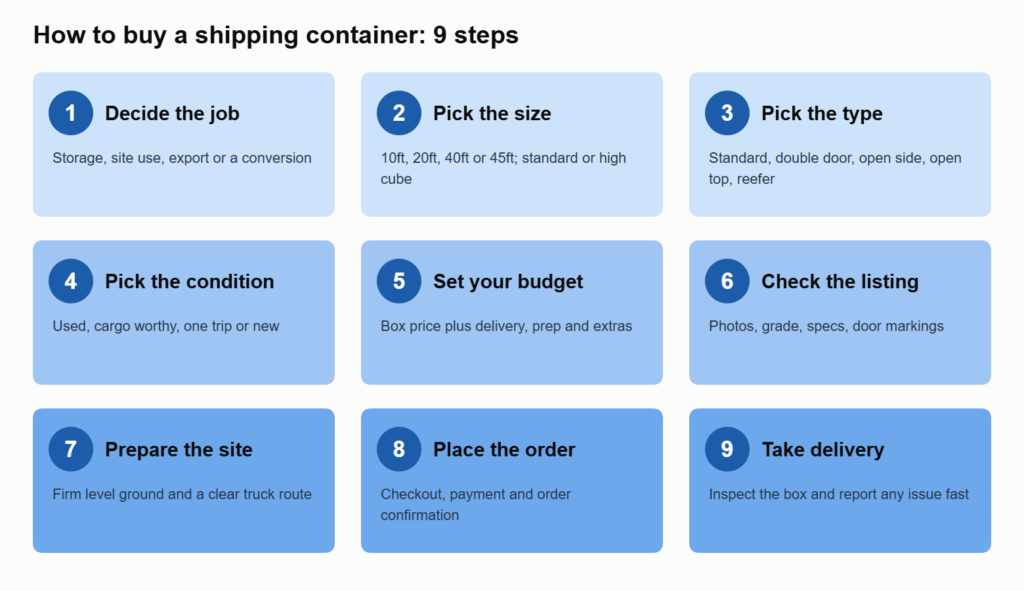
To buy a shipping container, decide what it will do, pick the size, type and condition that suit that job, check the listing carefully, make sure your site is ready for the delivery truck, then order and inspect the box when it arrives. At Prime Cargo Box you can do all of that online: every container has its own product page with photos, specifications and a listed price, and you can order from the page or contact our team first with questions.
That sounds simple, and mostly it is. The trouble is that most people only buy a container once or twice in their lives, so the small details catch them out: a box that is a foot too short for their racking, a used unit when they needed one that can still ship cargo, or a delivery truck that cannot get past the gate. This guide walks through every step in the order you will face it, with the questions worth asking and the products we would point you to at each stage.
Before you buy a shipping container: a quick checklist
If you only have two minutes, run through this list. Each point is covered in detail further down.
- Job: storage, site office, workshop, export cargo or a conversion?
- Size: will a 20ft hold it, or do you need a 40ft? Do you need the extra foot of a high cube?
- Type: standard doors at one end, or doors at both ends, a full side opening, an open top or refrigeration?
- Condition: used for budget storage, one trip or new for a long life and a clean look.
- Budget: the box price plus delivery, ground preparation and any extras such as shelving or locks.
- Site: firm, level ground, room for the doors to open, and a clear route for a large truck.
- Paperwork: any local permit rules, and a valid safety plate if you plan to ship goods in it.
Where to buy a shipping container
You can buy a shipping container from a few kinds of seller: shipping lines and leasing companies selling off retired boxes, container depots, local resellers, and online stores like ours. Each has trade-offs. Depots and resellers may let you walk the yard, but stock and grading vary. Large lines and lessors sell in bulk and rarely deal with one-off buyers. Online sellers let you compare sizes, grades and prices from home, as long as the listing gives you real photos, clear grades and published policies.
Whichever route you take, the checks in this guide stay the same. Ask for the grade in writing, look at the photos and door markings, confirm delivery to your address, and know what happens if the box arrives damaged. If you buy a shipping container from us, all of that is on the product page and in our policies before you pay.
Step 1: Decide what the container is for
Everything else follows from this, so it is the first question to answer before you buy a shipping container. The same 40 foot box can be a perfect buy for one person and a waste of money for another, depending on the job. If storage is the main job, see our guide to storage containers for sale.
Storage at home, on a farm or at a business
If the container will hold tools, furniture, feed, stock or equipment, you need a box that keeps out rain and thieves. That is it. A used, wind and watertight container does the job at the lowest cost. Our used 20ft shipping container and used 40ft shipping container are the usual choices. Buying on a budget? Read our guide to cheap shipping containers first.
Building sites and contractors
Contractors want secure storage that is easy to move from job to job. A 20 footer fits on most sites, and a double door 20ft lets crews reach materials from both ends without unpacking the whole box.
Offices, workshops, shops and conversions
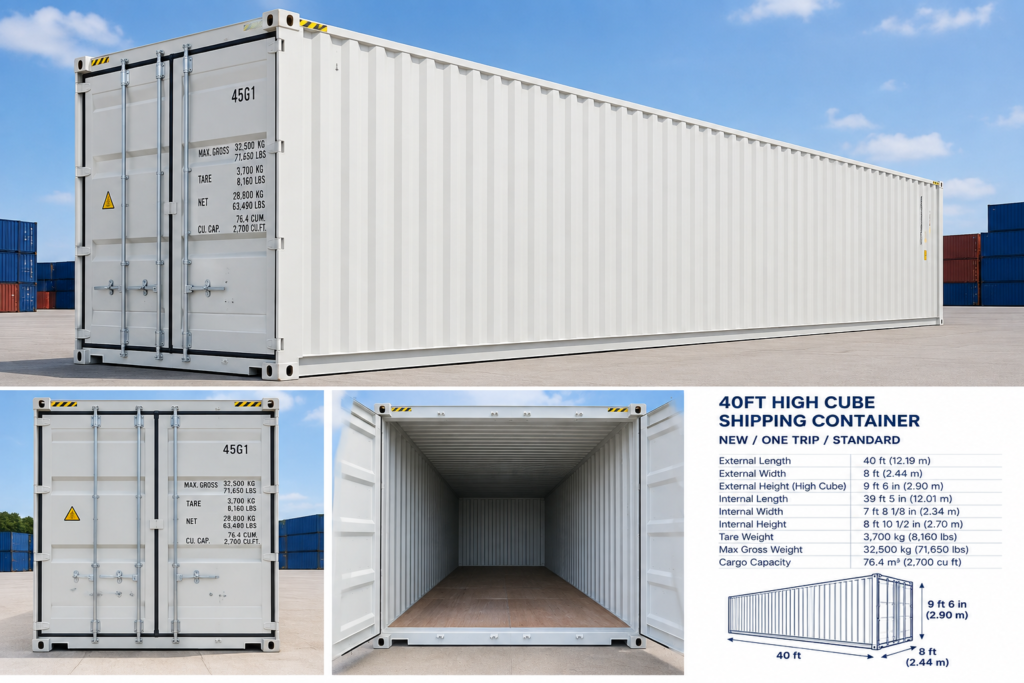
Once people will work or shop inside, looks and headroom start to matter. A new 40ft high cube or a one trip 20ft high cube gives you straight walls and enough height for a lined ceiling. For a pop-up shop or bar, an open side container turns the whole long wall into a counter.
Cold storage
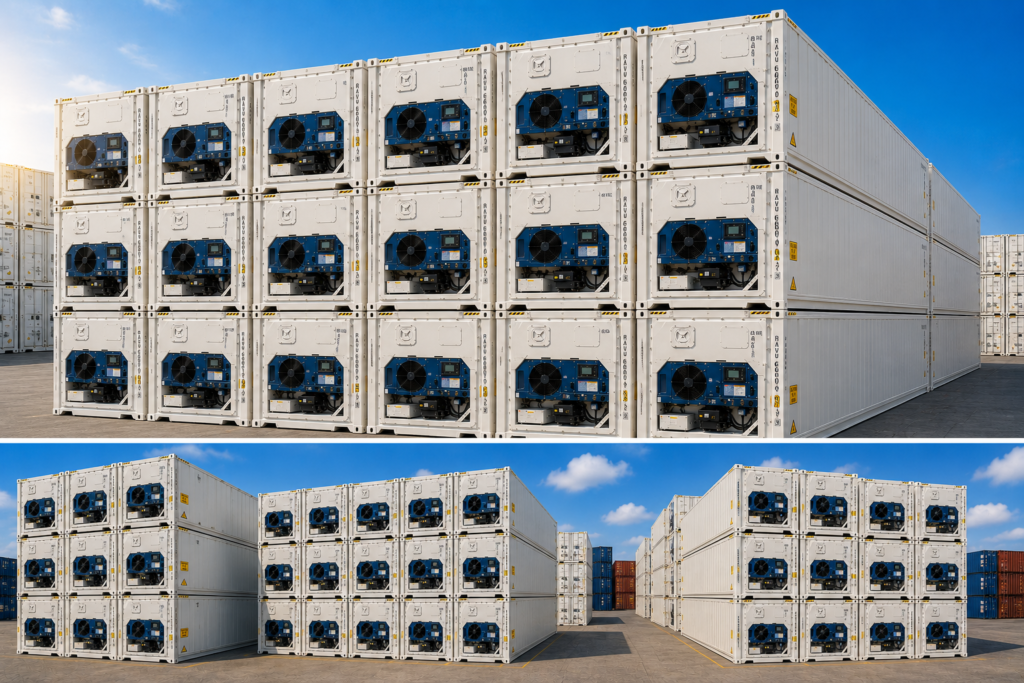
Restaurants, farms, caterers and event companies use refrigerated containers as walk-in cold rooms. Our refrigerated shipping containers are sold in working order, and our guide to buying a reefer container covers power supply and what to test.
Shipping your own cargo
If you want to load the box and send it overseas, you need a container that is cargo worthy with a current safety approval plate. A one trip unit such as our 40ft one trip shipping container is the safest choice, because its paperwork and condition are close to new.
Step 2: Choose the right size
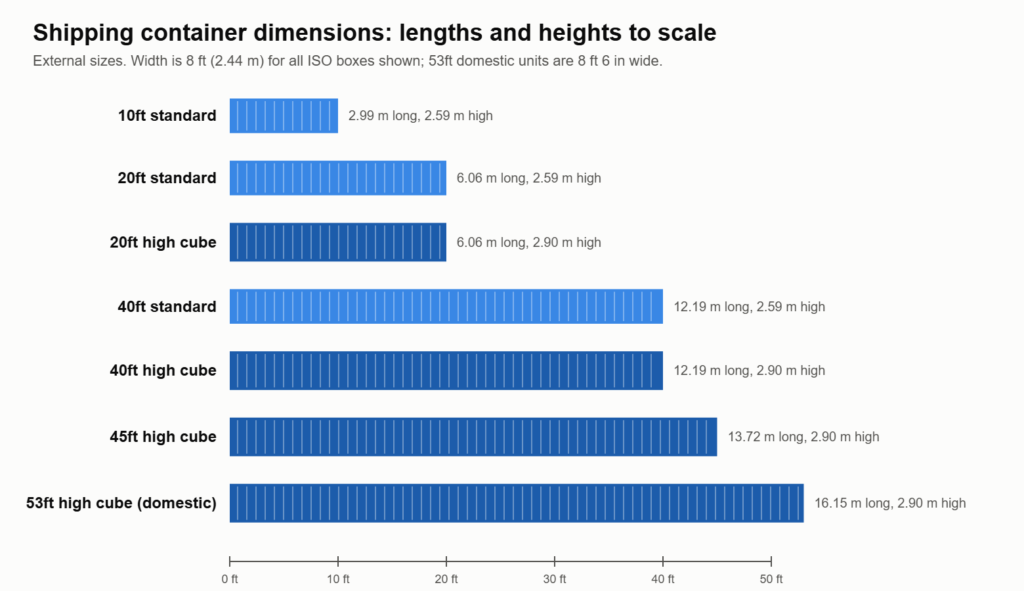
Most people buy a shipping container in one of two lengths, 20ft or 40ft, and one of two heights, standard (8 ft 6 in) or high cube (9 ft 6 in). All of them are 8 ft wide, the standard width set for intermodal containers worldwide.
| Size | Outside (L x W x H) | Approx. inside volume | Good for |
|---|---|---|---|
| 10ft | 10 x 8 x 8 ft 6 in | 16 m³ | Small yards, shop fronts, tight sites |
| 20ft standard | 20 x 8 x 8 ft 6 in | 33 m³ | Home and site storage, heavy cargo |
| 20ft high cube | 20 x 8 x 9 ft 6 in | 37 m³ | Small workshops and studios |
| 40ft standard | 40 x 8 x 8 ft 6 in | 67 m³ | Bulk storage, export, equipment |
| 40ft high cube | 40 x 8 x 9 ft 6 in | 76 m³ | Offices, tall racking, conversions |
A useful rule: if you are torn between two 20 footers and one 40 footer, the 40 footer usually costs less and needs only one delivery. Our 20ft vs 40ft shipping container comparison goes through the trade-offs, our high cube vs standard container guide explains when the extra foot is worth it, and our guide to shipping container dimensions lists inside sizes, door openings and pallet counts for every length.
Step 3: Choose the type
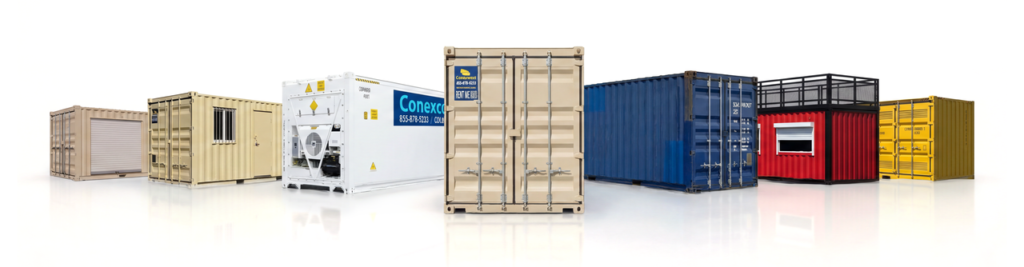
Most people who buy a shipping container need a standard dry box with cargo doors at one end. Special types cost more, so only pay for a feature you will use often.
| Type | How it opens | Buy it if |
|---|---|---|
| Standard | Double doors at one end | You want secure storage at the lowest price |
| Double door | Doors at both ends | You load and unload often, or want two zones |
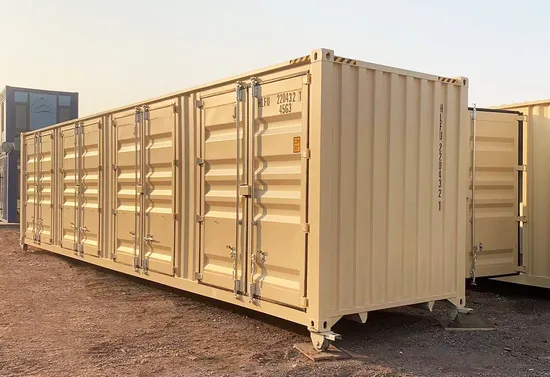
| Open side | Full-length side doors plus end doors | You load wide items by forklift or want a shop front |
| Open top | Removable roof bows and tarp | Cargo is loaded by crane from above |
| Refrigerated | End doors, insulated body, cooling unit | You need chilled or frozen storage |
| Modified | Custom doors, windows and fit-out | You want an office, workshop or kiosk ready to use |
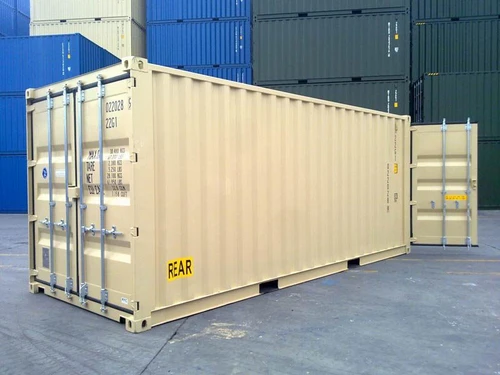
If you are not sure which design suits you, our guide to the types of shipping containers explains each one in more depth, with examples of who uses them.
Step 4: Choose the condition
Condition changes the price more than anything else inside one size. Before you buy a shipping container, it helps to know exactly what each grade means, because sellers do not all use the same words.
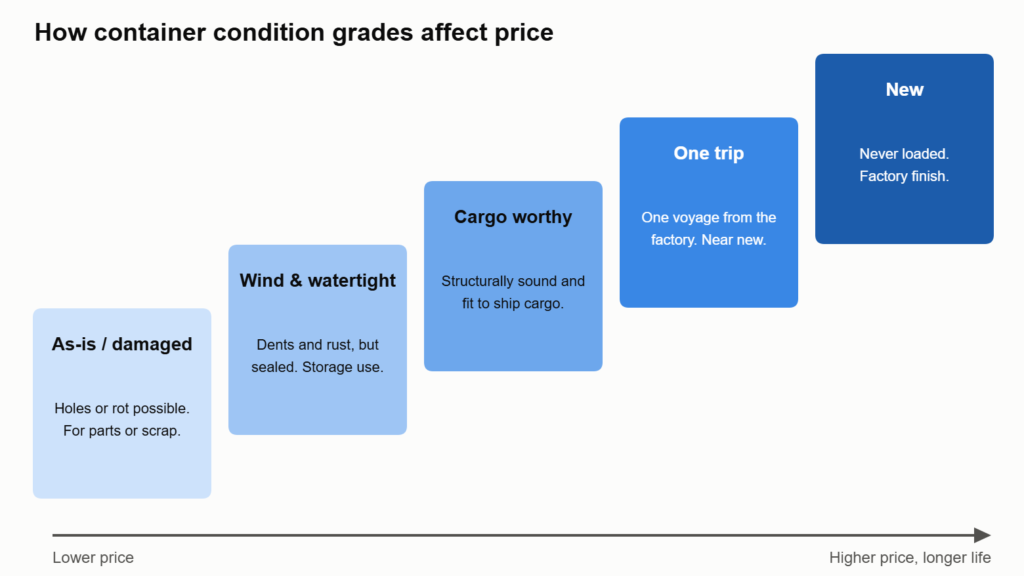
- New: never loaded with cargo. Clean paint, straight panels, tight seals. See our new shipping containers.
- One trip: built new and used once for the voyage from the factory. Near new, often with light scuffs inside.
- Cargo worthy: used, but structurally fit to carry cargo by sea.
- Wind and watertight: used, with dents and rust, but no holes and doors that seal. Ideal for storage.
- As-is: damaged or unchecked. Cheap for a reason and rarely worth it.
Container inspectors judge used boxes against published repair standards, such as the criteria maintained by the Institute of International Container Lessors. You do not need to learn those rules, but you should ask the seller which grade the box meets, in writing. Our one trip vs used shipping container guide compares the grades side by side, and every unit in our used shipping containers range states its grade on the product page.

New, one trip or used: which gives you the best value?
Price per box is the obvious comparison, but it is not the only one. Think about how long you need the container, where it will sit and whether anyone will see it.
| Grade | Best for | What you give up |
|---|---|---|
| Used (wind and watertight) | Storage on farms, yards and building sites | Looks, and some of its remaining life |
| Cargo worthy | Shipping your own goods on a budget | Looks; needs a current safety plate |
| One trip | Homes, shops, conversions and export | A higher price than used |
| New | Long-term use and premium conversions | The highest price |
A simple example: our used 40ft is listed at $1,900 and our new 40ft at $3,400. If the box is going behind a barn to hold equipment, the $1,500 saving is money well kept, because a sound used box keeps things just as dry. If it is going beside your office as a meeting room, the new box is the smarter buy. Buying a shipping container is easier once you judge the grade against the job rather than the price alone.
Step 5: Set a realistic budget
The box is the biggest cost, but not the only one. When you buy a shipping container, plan for these items as well:
- Delivery: depends on distance, truck type and site access.
- Ground preparation: compacted gravel, concrete pads or sleepers under the corners.
- Extras: a lock box, shelving, vents, or modifications such as windows and power.
- Local permits: some councils and local authorities want a permit for a container that stays long term.
Here is what our most popular dry containers cost at the time of writing, in US dollars, before delivery. Prices change as stock moves, so the product page always has the current figure.
| Container | Used | One trip | New |
|---|---|---|---|
| 20ft standard | $1,000 | $1,550 | $2,400 |
| 40ft standard | $1,900 | $3,200 | $3,400 |
| 40ft high cube | $2,200 | $2,900 | $3,800 |
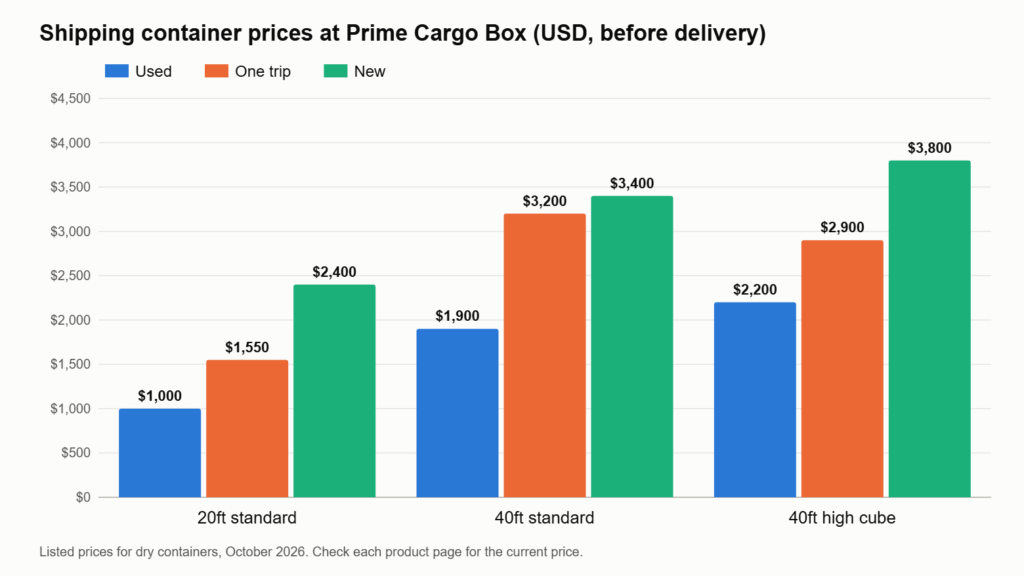
Our full guide to shipping container prices explains what drives these numbers, including specialist types and reefers, and shows the cost per cubic metre for each size.
What you get when you buy a shipping container
Whatever the grade, a standard steel dry container comes with the same basic build. Knowing it helps you compare listings and spot anything missing.
- Corrugated steel walls and roof on a welded steel frame, built from corrosion-resistant steel.
- Four corner castings on the top and bottom, used for lifting, stacking and locking the box to a truck or ship.
- Double cargo doors at one end, with locking bars and rubber seals. Double door boxes have a second set at the other end.
- A floor of thick marine plywood or hardwood on steel cross members, built to take a forklift.
- Lashing rings along the floor and roof rails for tying down cargo.
- Air vents high on the side walls to let moisture escape.
- Door markings showing the owner code, serial number, size and type code, and weights.
Common extras you can ask about include a lock box to protect the padlock, extra vents, shelving and interior lighting. If you want the box ready to use as soon as it lands, our modified shipping containers range covers doors, windows, insulation, power and paint.
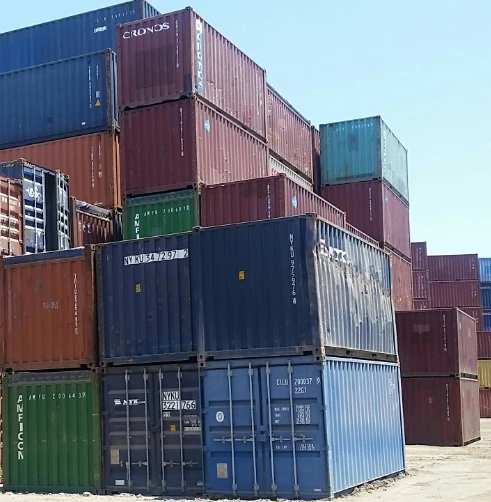
Step 6: Check the listing before you pay
A good listing answers your questions before you have to ask, and it is the best protection you have when you buy a shipping container online. When you look at any container, ours or anyone else’s, check these points:
- The grade, stated clearly. “Used” alone is not enough. You want to know if it is wind and watertight or cargo worthy.
- Real photos. Look for the outside walls, the roof line, the floor, the door seals and the corner castings.
- The size and height. Confirm 20ft or 40ft, and standard or high cube.
- The specifications. Inside size, door opening, tare weight and payload.
- What the price includes. Is delivery included or quoted separately?
Every ocean container has its key numbers painted on the door: the owner code and serial number, the size and type code, the maximum gross weight, the tare weight and the payload. The owner code is registered under the BIC code system, which confirms you are looking at a genuine ISO container.
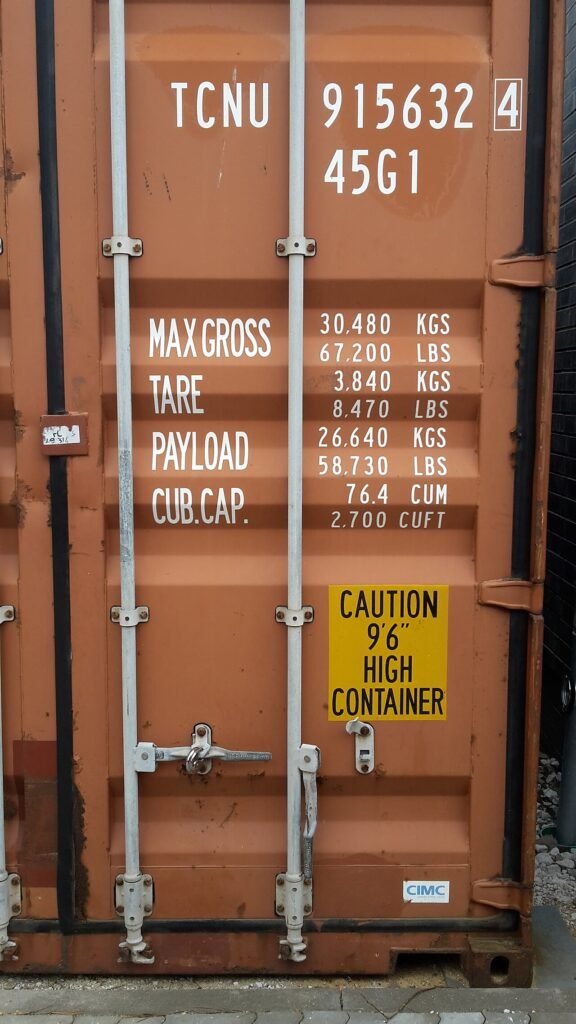
If you plan to ship goods in the box, look for the safety approval plate, required under the International Convention for Safe Containers. For storage only, the plate matters much less.
Step 7: Get your site ready
A surprising number of delivery problems start with the site, not the container. Before you buy a shipping container, walk the route the truck will take and the spot where the box will sit.
- Ground: firm and reasonably level. Compacted gravel, concrete pads or sleepers under the four corners all work. Soft ground lets a corner sink, which twists the frame and jams the doors.
- Space for the doors: the doors swing outward, so leave clear room in front of them about as wide as the container.
- Truck access: a tilt-bed truck needs a long, straight approach and room to tip the box off. Side-lifter trucks place the container beside the vehicle and help on tighter sites.
- Overhead clearance: the container is tipped up during unloading, so look for power lines and tree branches along the route and over the drop spot.
- Permissions: arrange access through any gates or shared driveways, and check local rules for long-term placement.
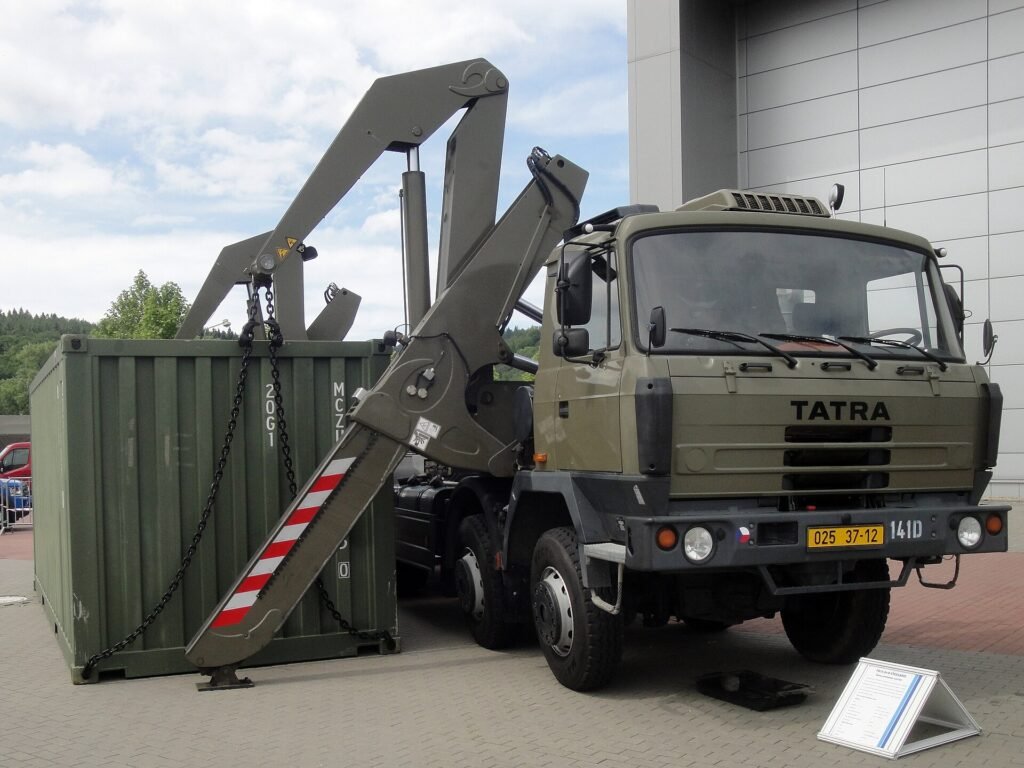
Our shipping container delivery guide explains how to measure your site and what each delivery method needs. Our Shipping and Delivery Policy also lists the site conditions the driver will expect on the day.
Step 8: Place your order
When you buy a shipping container from Prime Cargo Box, the order process is the same as any online shop, with a couple of extra checks because of the size of what you are buying.
- Open the product page for the container you want and confirm the size, type, condition and price.
- Check delivery to your address. If you are not sure we can reach your location, contact us before you order and we will confirm.
- Add it to your cart and check out, entering the exact delivery address and a phone number the driver can use.
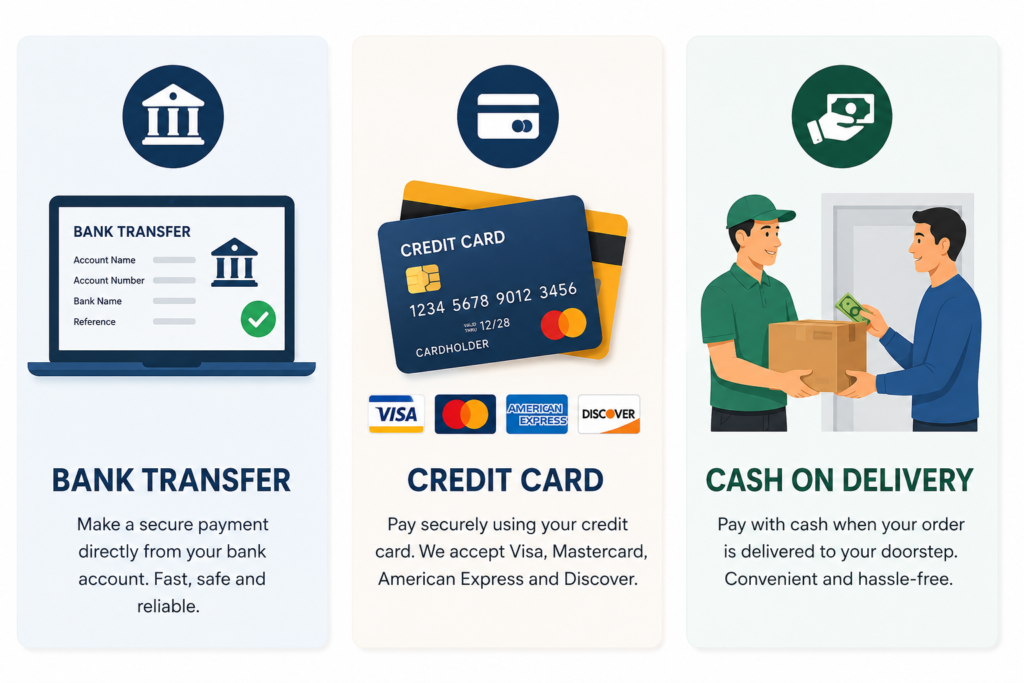
- Choose how to pay. The payment options available for your order are shown at checkout. Our Billing and Payment Policy lists bank transfer, cash on delivery and card payment, with availability depending on your location and order.
- Watch for your confirmation. You will receive an order confirmation, and our team will be in touch about delivery timing.
If you pay by bank transfer, only use the payment details we give you during the order process, and include your order number as the payment reference. If you ever receive a message saying our bank details have changed, call or email us on the details shown on our contact page before you send any money. This is a simple habit that protects you from payment fraud, whoever you buy from.
Our delivery policy states that orders are processed within 1 to 3 business days, with an estimated delivery window after that. Exact timing depends on stock, your location and site access, and we confirm it with you before the truck is booked.
Step 9: Take delivery and inspect the container
The last step to buy a shipping container well happens on delivery day. Be there or have someone there who can tell the driver exactly where the box should go. Once it is down:
- Walk around the outside and look at the walls, roof edges and corner castings.
- Open and close both doors. They should swing freely and the seals should close tight.
- Step inside, close the doors and look for daylight. A wind and watertight box shows none.
- Check the floor for soft spots.
- Compare the door markings with the listing, especially the size code and the grade you bought.
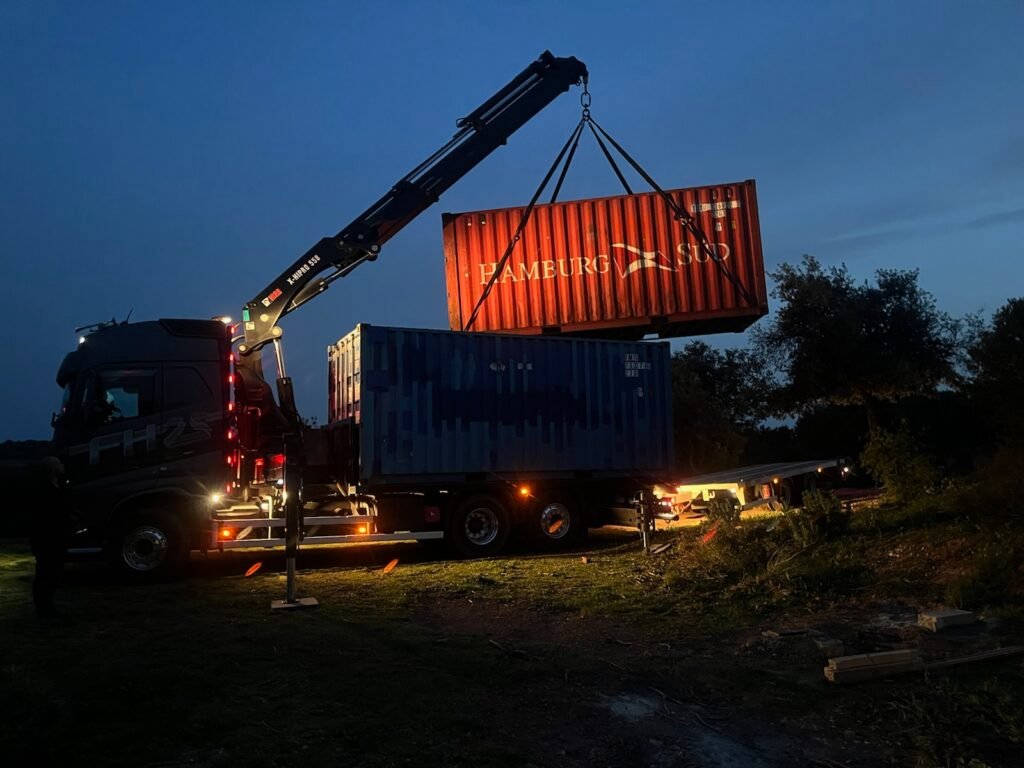
If something is wrong, take clear photos or a short video and contact us as soon as you can with your order number. Our Refund and Returns Policy allows return requests within 30 days of delivery, and explains how damaged, defective or incorrect products are handled. Because containers need special trucks to move, always contact us for instructions before arranging any return.
Questions to ask before you buy a shipping container
Whether you buy from us or anyone else, these questions save a lot of trouble. A good seller answers all of them without fuss.
- What grade is this container, and what does that grade mean?
- Is it a standard height or a high cube?
- Can I see photos of the actual unit, or one from the same batch?
- Is delivery included, and if not, how is it priced?
- What kind of truck will deliver it, and how much room does it need?
- How soon can it be delivered after I order?
- Which payment methods can I use?
- What happens if the box arrives damaged or is not as described?
- Does it have a current safety plate, if I plan to ship goods in it?
- Can you fit locks, vents, shelving or other extras before delivery?
Our product pages and our published delivery, billing and returns policies answer most of these. For anything else, our team is a phone call or email away.
Buying a shipping container for a conversion
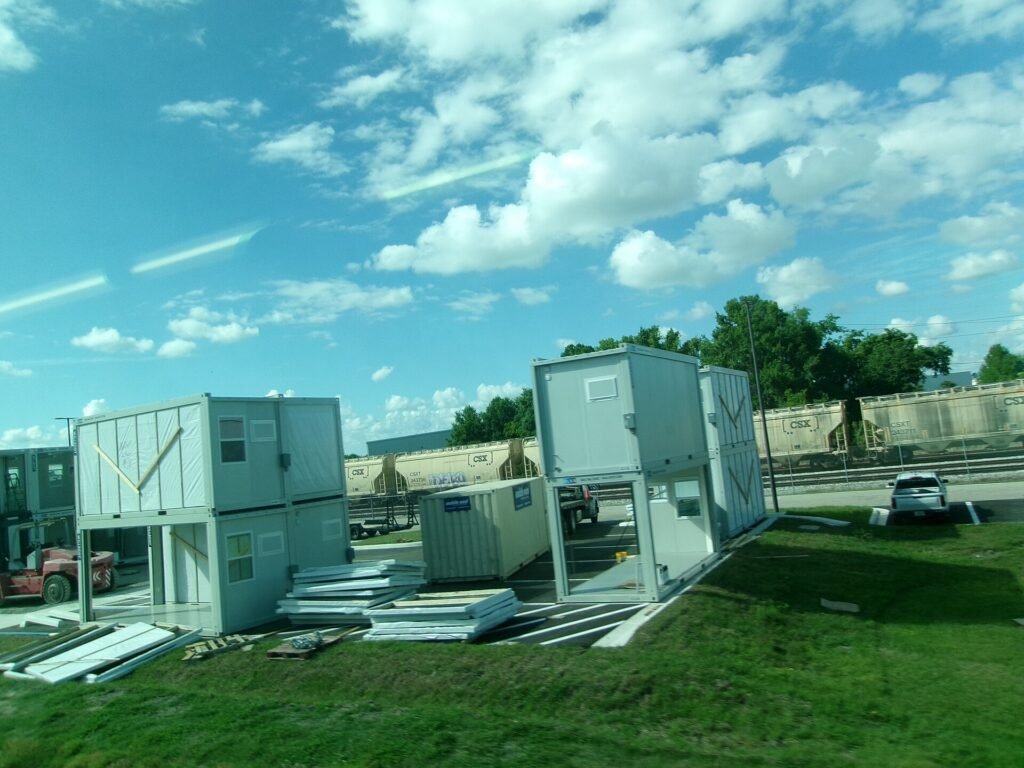
If you plan to turn the box into an office, workshop, studio or small home, buying a shipping container works a little differently. The shell is only the start, so choose one that makes the fit-out easier.
- Choose a high cube. Insulation, a ceiling and a raised floor eat into the height. Starting from about 2.70 m inside leaves a comfortable room.
- Choose new or one trip. Straight walls and a clean floor make lining, windows and doors much easier to fit.
- Plan the openings early. Decide where doors, windows and services go before the box is placed, so the right side faces the right way.
- Order modifications with the box. Shop work is usually cheaper than on-site work. See our modified shipping containers and our custom container modifications page.
- Check the rules. Occupied buildings often face stricter rules than storage, including minimum ceiling heights.
Buying more than one container
Many buyers end up with two or three boxes once they see how useful the first one is. If you know you need more than one, plan them together:
- Ask about delivering them together. One trip for several boxes is often cheaper per box than separate deliveries.
- Match the sizes. Two boxes of the same length and height line up neatly side by side or stack cleanly.
- Leave access between them. If both have doors at the same end, leave room to open both.
- Think about stacking carefully. Containers are built to stack, but on site it needs the right lifting equipment and corner locks.
How to compare two quotes side by side
When you have more than one offer, lay them out like this. It quickly shows which deal is really cheaper once everything is counted.
| What to compare | Quote A | Quote B |
|---|---|---|
| Size and height | 40ft standard | 40ft high cube |
| Grade, in writing | Used, wind and watertight | One trip |
| Box price | Listed | Listed |
| Delivery | Included or quoted? | Included or quoted? |
| Photos of the unit | Yes or no | Yes or no |
| Returns and damage policy | Published or not | Published or not |
| Delivery timing | Stated or vague | Stated or vague |
Fill in the real numbers and the better buy usually becomes obvious. The cheaper box often turns out to be a lower grade or to come with a delivery charge that wipes out the saving.
Buying a shipping container for storage: getting the most from it
Most people buy a shipping container for storage, and a few simple choices make a big difference to how useful it is.
- Put shelving down both long walls and keep a clear aisle in the middle. A 20ft box with shelves holds far more than one with everything piled on the floor.
- Store the things you use most near the doors and seasonal items at the back. If you reach the back often, a double door box solves the problem.
- Raise items off the floor on pallets so any condensation or spilled water does not reach them.
- Use a good lock and a lock box. A shrouded padlock is much harder to cut.
- Label everything. It sounds obvious, but it saves a lot of time later.
Mistakes people make when buying a shipping container
- Choosing the grade by price alone. A cheap box that cannot do the job is not a saving.
- Measuring the outside, not the inside. Plan cargo against the inside size and the door opening.
- Forgetting the doors. A box pushed against a fence may not open.
- Ignoring the truck. If the truck cannot reach the spot, you pay for a crane or a second attempt.
- Buying a special type you rarely need. An open side or reefer is a great tool, but an expensive way to store garden tools.
- Not inspecting on delivery. Problems are easiest to sort out when they are reported straight away with photos.
Why buy a shipping container from Prime Cargo Box
We sell new, one trip and used containers online, from standard 20ft and 40ft boxes to high cubes, double door, open side, open top and refrigerated units, plus custom modifications and export sales. When you buy a shipping container from us:
- Every product page shows the price, photos and specifications before you order.
- Our billing, delivery, refund and privacy policies are published in full.
- Return requests can be made within 30 days of delivery, as set out in our returns policy.
- You can reach a person by phone on +1 (209) 776 3645 or by email at contact@primecargobox.com.
- Our free buying guides cover container types, dimensions, prices and delivery, so you can check our advice against your own plans.
Buying a container from outside the United States
Our standard delivery covers eligible locations within the United States, and we also handle international container sales with export documentation. If you are buying from another country, the total cost includes more than the box:
- Ocean or road freight to your nearest port or terminal.
- Import duties and taxes set by your own country, which are the buyer’s responsibility.
- Port and terminal handling at both ends.
- Local delivery from the port to your site.
- Currency exchange, since our prices are listed in US dollars.
A cargo worthy or one trip container can carry your own goods on the way, which spreads the freight cost. Tell us your destination when you get in touch and we will explain the options.
Which container should you buy? Five common buyers
Here is what we would point five typical buyers to, based on the job each one has in mind.
The homeowner who needs garden and garage overflow
A used 20ft shipping container is the obvious pick. It fits on most driveways, keeps tools and furniture dry, and costs the least of anything we sell. If the box will sit where neighbours see it every day, the one trip 20ft looks much tidier for a modest step up in price.
The farmer storing equipment and feed
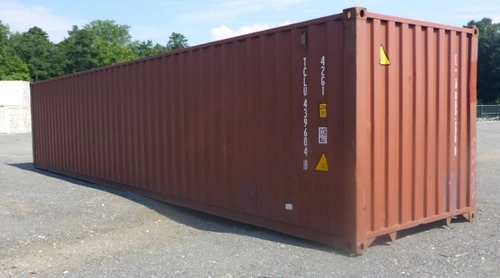
Farm machinery and bulk feed need floor space more than looks, so a used 40ft shipping container gives the most room for the money. If the gear is tall, the used 40ft high cube adds a foot of height for a small extra cost. A used 40ft double door lets you drive equipment in at one end and out the other.
The contractor moving between job sites
A 20 footer is easier to place and move than a 40. The one trip 20ft double door container is popular because crews can reach materials from both ends. For bigger projects that need a site office as well as storage, look at our modified shipping containers.
The small business opening a pop-up shop or workshop
Start with height and access. A one trip 20ft open side container opens its whole long wall as a counter, while a new 40ft high cube gives a clean, tall room for a workshop or office. A new or one trip grade is worth it here because customers will see the box up close.
The food business that needs cold storage
A used 20ft reefer is the entry point for on-site cold storage, and the one trip 40ft high cube reefer suits wholesalers and event caterers who need volume. Check your power supply first; most reefer units need a three-phase connection. Our refrigerator containers page lists units suited to on-site use.
Warning signs when you buy a shipping container online
Containers are expensive, heavy and hard to inspect from a distance, which makes them a target for fake listings. Whoever you buy from, slow down if you see any of these:
- A price far below every other seller. Containers cost money to build and move. A price that looks too good usually is.
- Pressure to pay immediately by an unusual method, or a request to pay into a personal account.
- No real photos, or photos that show a different container from the one described.
- No company details: no address, no phone number, no policies.
- Payment details that change by email partway through the order.
At Prime Cargo Box, our contact details are on every page, our billing, delivery, refund and privacy policies are published in full, and every product page shows the price and specifications before you order. If anything about an order feels unclear, call us on +1 (209) 776 3645 or email contact@primecargobox.com before you pay.
After you buy: keeping your container in good shape
Containers need very little care, but a few habits keep them sound for many years:
- Keep it level. Check the corners after the first heavy rain season and re-pack any that have sunk.
- Touch up scratches. Containers are built from weathering steel, but bare metal still rusts faster than painted metal.
- Grease the doors. A little grease on the hinges and locking bars once or twice a year keeps them easy to open.
- Check the seals. Replace torn door gaskets before water gets in.
- Let it breathe. If you store anything that holds moisture, a couple of vents or moisture absorbers stop condensation.
Frequently asked questions about buying a shipping container
Can I buy a shipping container online?
Yes. At Prime Cargo Box every container has a product page with photos, specifications and a listed price. You can order from the page, or contact our team first if you want to check delivery to your address.
How much does it cost to buy a shipping container?
At the time of writing, our used 20ft is listed at $1,000, a used 40ft at $1,900 and a new 40ft high cube at $3,800, in US dollars before delivery. Our shipping container prices guide has the full range.
Is it better to buy a new or used container?
For storage, a used wind and watertight box is usually the better buy. For offices, shops, homes or shipping cargo, a one trip or new container lasts longer and looks better.
What size container should I buy?
A 20ft suits most home and site storage. A 40ft suits bulk storage and export, and costs much less than two 20 footers. Choose a high cube if you need extra height for racking, machinery or a conversion.
How long does delivery take?
Our delivery policy states that orders are processed within 1 to 3 business days, then delivered within an estimated window that depends on stock, location and site access. We confirm timing with you before the truck is booked.
What payment methods can I use?
The options available for your order are shown at checkout. Our billing policy lists bank transfer, cash on delivery and card payment, with availability depending on your location and order.
Can I return a container?
Our returns policy allows return requests within 30 days of delivery. Contact us first, because containers need special transport, and return costs for a change of mind may fall on the buyer.
Is it cheaper to buy a shipping container or rent one?
For short jobs of a few months, renting can make sense. For anything longer, it usually works out cheaper to buy a shipping container outright, and you may be able to sell it again later when you no longer need it.
Do I need a permit to put a container on my property?
It depends on where you live. Some local authorities need a permit for a container that stays long term, especially in residential areas, so check with your local council or planning office before you order.
Should I buy a 20ft or a 40ft container for storage?
If you have the space, a 40ft gives twice the floor area for much less than twice the price. If your site is tight or the box will be moved often, a 20ft is easier to deliver and place.
Do I need to be there when the container is delivered?
It helps a lot. Someone should be on site to show the driver the exact spot and check the box once it is down, as our delivery policy asks.
What should I check first when the container arrives?
Open and close the doors, look for daylight from the inside with the doors shut, check the floor, and compare the door markings with the listing. Report any problem with photos as soon as you can.
Can I buy a shipping container if I live outside the United States?
Yes. We handle international container sales with export documentation. Freight, import duties, taxes and local delivery are added to the box price, so contact us with your destination for the full picture.
Ready to buy a shipping container?
To buy a shipping container with confidence, decide the job first, then choose the size, type and condition that fit it, check the listing and door markings, prepare your site, and inspect the box on delivery day. Do those things and the container should do its job for many years.
Browse our full list of categories, or go straight to our 20ft shipping containers, 40ft shipping containers, 40ft high cube containers and used shipping containers. If you would rather talk it through first, contact our team and we will help you pick the right box.
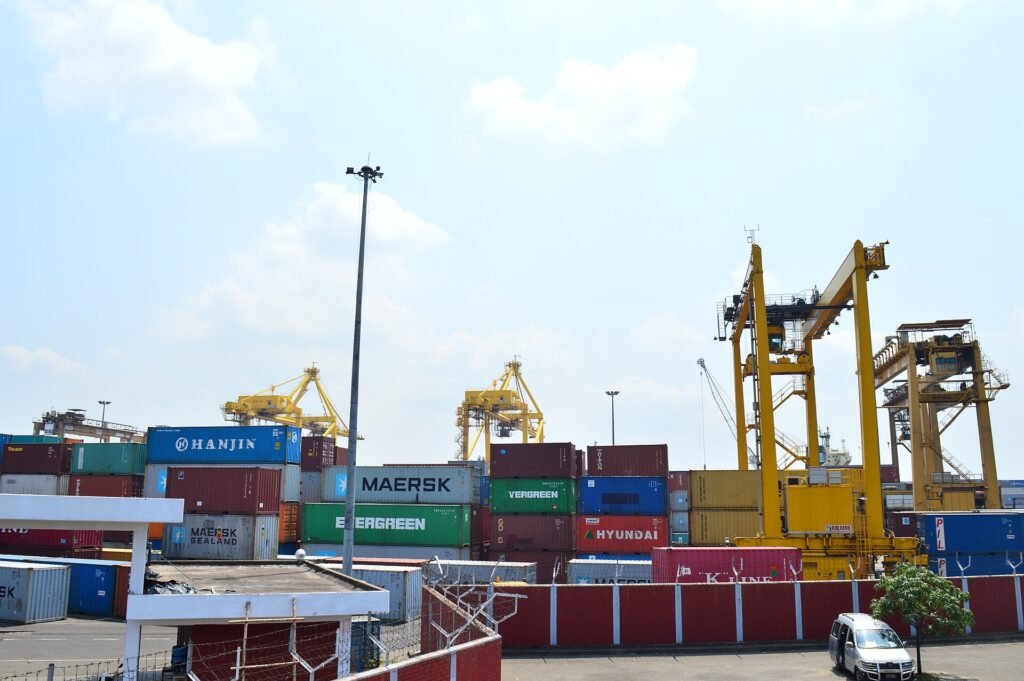
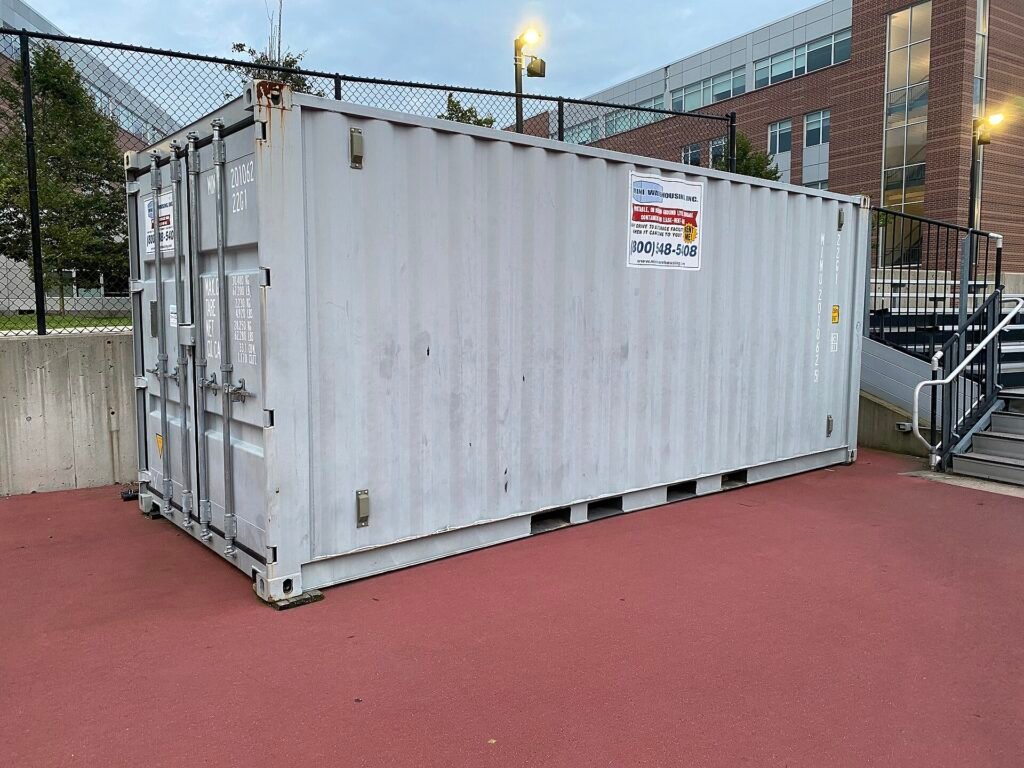
Cover photo: Moheen Reeyad (CC BY-SA 4.0)