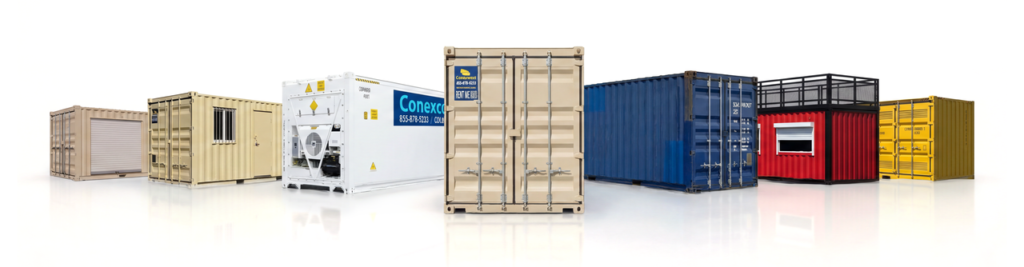
A shipping container office is a steel shipping container fitted out as a workspace, with insulation, lining, windows, a personnel door, lighting and power, so it can be delivered to a site and used as an office straight away or after a short fit-out. The best bases are a 20ft or 40ft high cube for headroom, or a double door container if you want a door at each end. At Prime Cargo Box a used 20ft container costs $1,000, a used 20ft high cube is $1,650 and a one trip 40ft high cube is $2,900, before delivery and fit-out.
This guide is written for site managers, farm owners, small business owners, people who want a garden or backyard office, event companies and anyone pricing up a shipping container office. It covers which container to buy, real prices from our stock, layouts that work, insulation, condensation, windows, power, foundations, permits and security. Every container price below links to a unit we sell now, so you can go from reading to ordering without hunting around.
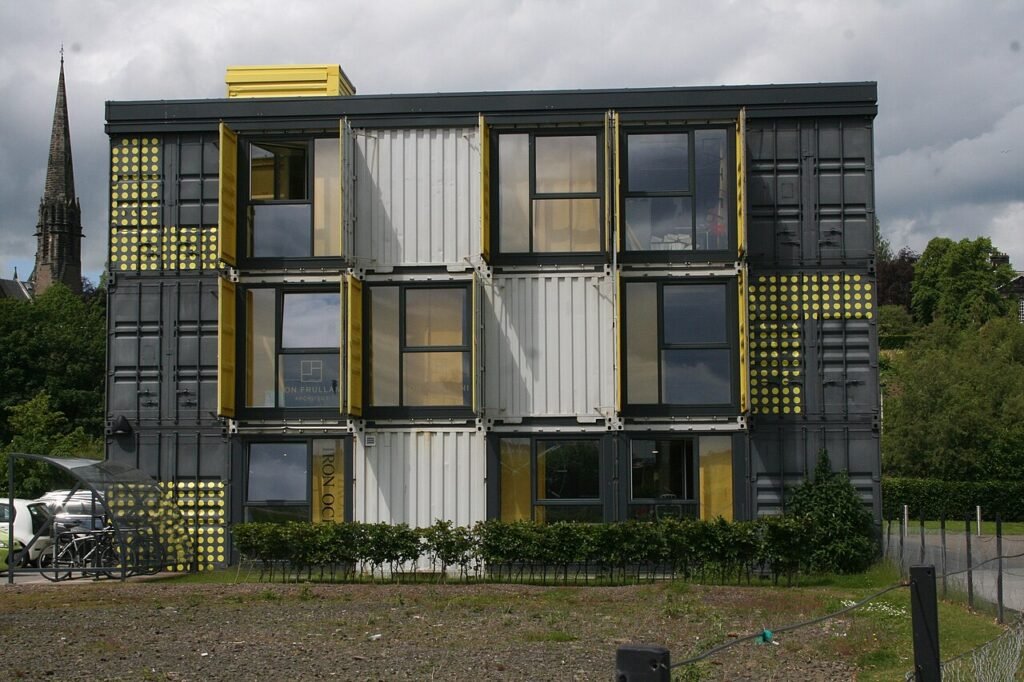
Table of Contents
Shipping container office: the short answers
If you only have two minutes, here is what most buyers want to know.
- Best container for a shipping container office: a high cube. The extra 30 cm (about one foot) of height leaves room for ceiling insulation, lights and an air conditioning unit without the room feeling low.
- Best size for one or two people: a 20ft container. It gives about 13.9 m² (150 sq ft) of floor inside before lining.
- Best size for a site office with a meeting table: a 40ft container, with about 28 m² (300 sq ft) inside.
- Cheapest way in: a used 20ft standard container at $1,000.
- Best finish for a client-facing office: a one trip 20ft high cube at $2,950 or a new 40ft high cube at $3,800.
- The thing people forget: condensation. Bare steel sweats. Insulate walls and ceiling properly, and control humidity.
- Do you need a permit? Often, yes, once someone works inside it every day. Rules depend on your country and local council, so check before you buy.
Why people buy a shipping container office
Most people who end up with a shipping container office looked at the alternatives first. A rented portable cabin, a timber garden office, an extension, or renting a room somewhere. The container usually wins for a few plain reasons.
A shipping container office is strong and hard to break into
A shipping container is built to carry up to around 30 tonnes of cargo across oceans and to be stacked on a ship. Freight containers used in international transport have to be safety approved under the International Maritime Organization’s Convention for Safe Containers (CSC 1972), and approved boxes carry a safety approval plate showing their technical data. That steel shell is the reason a shipping container office is popular on building sites and farms. Laptops, plans, drills and tablets left inside overnight are much safer than in a timber hut.
A shipping container office arrives in one piece
A container is delivered on a truck, set down and it is there. No foundations poured for a week, no walls going up. If you buy a container already fitted out, you can be working in it the same day. If you fit it out yourself, the shell is still standing and weathertight from day one, which makes the work easier.
It moves with you
When a project ends, a shipping container office can be lifted onto a truck and taken to the next job. Contractors like this a lot. The office becomes equipment, not a building you abandon. The same goes for anyone renting land, because you can take your office with you when the lease ends.
You own it
Renting a portable cabin month after month adds up. Buying a container means you pay once for the shell. If you stop needing it, a container still has resale value, and it can always go back to being storage.
The sizes are standard
Containers are built to international standards. ISO 668 sets the external dimensions and ratings of series 1 freight containers, and ISO 1496 covers the internal dimensions for each type. In practice this means a 20ft box from one factory is the same outside size as one from another, so furniture plans, foundations and stacking all work in a predictable way. Our guide to shipping container dimensions lists the numbers in full.
Which container makes the best shipping container office?
You can turn almost any dry container into an office. Some just make the job easier. Here is how the main types compare when the end goal is a shipping container office.
High cube containers
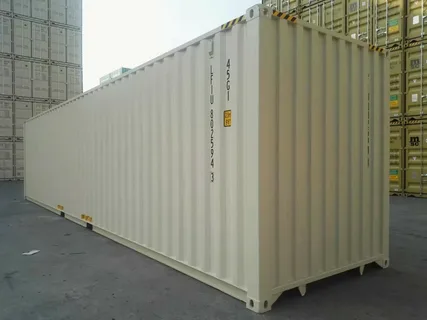
A high cube is 9 ft 6 in (2.90 m) tall on the outside, one foot taller than a standard box. Inside you get about 2.69 to 2.70 m of height. Once you add 50 to 75 mm of ceiling insulation and a lining board, you still have a comfortable room height. In a standard container you lose that same depth from a ceiling that started at around 2.39 m, and tall people notice it.
For a shipping container office that people sit in all day, we nearly always point buyers to a high cube. Our options:
- Used 20ft high cube container, $1,650
- One trip 20ft high cube container, $2,950
- New 20ft high cube container, $4,250
- Used 40ft high cube container, $2,200
- One trip 40ft high cube container, $2,900
- New 40ft high cube container, $3,800
If you want the full comparison, read high cube vs standard container.
Standard containers
A standard 8 ft 6 in container is cheaper and works fine for a basic site office, a security hut or a tool and paperwork room where nobody spends eight hours a day. If budget is the main thing, start with a used 20ft container at $1,000 or a used 40ft container at $1,900. For a cleaner shell, the one trip 20ft at $1,550 and the one trip 40ft at $3,200 are good middle ground.
Double door (tunnel) containers
A double door container has cargo doors at both ends. For a shipping container office this is handy in two ways. You get a second exit, which is good for safety and sometimes required in longer units. And you can split a 40ft into two rooms, an office at one end and a store at the other, each with its own entrance. Options include the used 20ft double door at $1,950, one trip 20ft double door at $2,500, used 40ft double door at $1,150 and one trip 40ft double door at $3,500.
Open side containers
An open side container has bi-fold doors along the full length of one side. For an office this is a bit of a special case. It suits a sales office, a site reception or a garden studio where you want to open the whole wall on a nice day, then lock it down to steel at night. The used 20ft open side costs $2,950 and the 40ft high cube open side is $6,200. They cost more and need good door seals, so only choose one if you really want that big opening.
20ft or 40ft for a shipping container office?
Go by how many people will work inside and what else the room has to hold.
- 20ft: one to two desks, a filing cabinet, a small table. Easier to deliver into tight spaces and back gardens. Lighter, so a smaller truck can bring it.
- 40ft: three to six desks, or two desks plus a meeting table and a kitchenette. Room for a partition and a small washroom. Needs more access space for delivery.
The 20ft vs 40ft shipping container guide goes deeper on cost per square metre and delivery space.
Shipping container office prices
The price of a shipping container office has two parts: the container, and everything you do to it. Here is the container side, from our current stock. Prices are per unit before delivery.
| Container | Condition | Height | Price | Best office use |
|---|---|---|---|---|
| 20ft standard | Used | 8 ft 6 in | $1,000 | Basic site office, security hut |
| 20ft standard | One trip | 8 ft 6 in | $1,550 | Tidy budget office |
| 20ft high cube | Used | 9 ft 6 in | $1,650 | One to two person office on a budget |
| 20ft high cube | One trip | 9 ft 6 in | $2,950 | Home or garden office, client-facing |
| 20ft high cube | New | 9 ft 6 in | $4,250 | Premium small office |
| 20ft double door | Used | 8 ft 6 in | $1,950 | Office plus store, two exits |
| 40ft standard | Used | 8 ft 6 in | $1,900 | Large site office on a budget |
| 40ft high cube | Used | 9 ft 6 in | $2,200 | Team site office |
| 40ft high cube | One trip | 9 ft 6 in | $2,900 | Team office with meeting area |
| 40ft high cube | New | 9 ft 6 in | $3,800 | Premium team office |
| 40ft double door | Used | 8 ft 6 in | $1,150 | Split office and store |
| 40ft open side HC | One trip | 9 ft 6 in | $6,200 | Sales office or showroom office |
The fit-out is where the real spread in price comes from. A shipping container office with a door, one window, insulation, plywood lining, LED lights and a few sockets is a very different job from one with a washroom, air conditioning, vinyl flooring, data cabling and two large windows. Labour rates also vary a lot between countries, so we will not pretend there is one global price. What we can do is quote the container and delivery clearly, and you can get local quotes for the trades. For the container side of costs in more detail, see shipping container prices and, if you are hunting for the lowest outlay, cheap shipping containers.
If you would rather have the openings cut and framed before the box leaves us, our custom container modifications team can quote doors, windows and vents.
New, one trip or used for a shipping container office?
Condition matters more for an office than for storage, because you will be looking at the walls every day and paying someone to line them.
One trip
A one trip container was built new, loaded once for its first export voyage, then sold. It has straight panels, clean paint, tight seals and doors that swing easily. For a shipping container office that clients will see, or one in a garden next to your house, one trip is usually the sweet spot. You pay more than used, but less than many people expect, and fit-out goes faster because panels are not dented. Another small point: a one trip box has carried only one load, so there is less unknown history in the floor.
Used
Used containers have worked for years at sea. They have dents, scrapes and patches of surface rust, but a wind and watertight unit is still structurally sound. For a site office that will get muddy boots and knocks, used is perfectly sensible. Inspect the roof for pinholes, check the floor for soft spots and make sure the doors seal. Our guide to cargo worthy containers explains the grades, and one trip vs used shipping container compares them side by side.
New
Brand new boxes cost the most. They make sense when you want a specific colour, a very clean finish, or a container that has never carried cargo at all. If you want a fully new unit, you can browse our new shipping containers, and for budget units the used shipping containers page lists everything we have in stock.
Shipping container office sizes and layouts
Inside width is the number that drives every layout. A standard container is about 2.35 m (7 ft 8 in) wide inside. After lining both side walls with 50 mm studs and board, you are left with roughly 2.15 to 2.20 m. That is enough for a desk along one wall and a walkway, or a desk on each wall facing away from each other if they are shallow. It is not enough for two deep desks facing each other with chairs between them.
Layout 1: one person shipping container office, 20ft
Personnel door at one end, a large window on the long side, desk under the window, shelves on the opposite wall, small air conditioning unit high on the end wall. Keep the original cargo doors as a security shutter over a glazed inner door if you like the look. This is the classic home or garden shipping container office.
Layout 2: two desks, 20ft
Door in the middle of the long side, one desk at each end of the box, each with a window. Storage under the desks. This uses the length well and gives each person their own end.
Layout 3: shipping container office for a site team, 40ft
Door at one end into an open area with a plan table, two or three desks along one wall, and a partitioned room at the far end for the manager or for private meetings. Add a second door at the far end if you can, or buy a double door container so the far room has its own exit.
Layout 4: office and washroom, 40ft
Office space for most of the length, then a small washroom with a toilet and basin at one end, plus a tea point. You will need water, a drain or holding tank and extra ventilation. Check local rules on welfare facilities for construction sites, because many countries set minimum standards.
Layout 5: office and secure store, 40ft double door
This one is popular with contractors and farmers. Partition the container two-thirds of the way along. The office has a personnel door and windows. The store keeps the cargo doors at the other end for tools, fuel cans or stock. You get one delivery, one foundation and two uses. Our posts on construction storage containers and farm storage containers have more ideas for the storage half.
Layout 6: two containers side by side
For a bigger shipping container office, two 40ft units can sit side by side with the facing walls opened up and the joint sealed. Or one can be stacked on another with a steel stair. Both need an engineer, because removing side walls takes away much of the box’s strength, and stacking puts loads through the corner posts that must be checked.

Specifications of our top shipping container office bases
These are the four containers we sell most often for office conversions, with the specs that matter.
One Trip 20ft High Cube Container ($2,950)
Our first pick for a home office, garden studio or small client-facing office. Near new panels make lining easy and the paint looks good on the outside straight away. Order the one trip 20ft high cube.
- Type: 20ft high cube dry container (20′ HC)
- Condition: one trip, near new, wind and watertight
- External size: 6.06 x 2.44 x 2.90 m (20 ft x 8 ft x 9 ft 6 in)
- Internal height: about 2.69 m
- Capacity: about 37.4 m³ (1,320 cu ft)
- Tare: about 2,300 kg; max gross 30,480 kg
- Build: Corten steel, marine plywood floor, CSC plated
Used 20ft High Cube Container ($1,650)
The budget way to get high cube headroom in a small shipping container office. Expect some dents and touch-up paint, which disappear once it is lined. Buy the used 20ft high cube.
- Type: 20ft high cube dry container
- Condition: used, wind and watertight; cargo worthy on request
- External size: 6.06 x 2.44 x 2.90 m
- Internal height: about 2.69 m
- Capacity: about 37.4 m³
- Tare: about 2,200 to 2,400 kg
One Trip 40ft High Cube Container ($2,900)
The best value base for a team office or a site office with a meeting area. Twice the floor of a 20ft for not much more money. Order the one trip 40ft high cube.
- Type: 40ft high cube dry container (40′ HC)
- Condition: one trip, near new, wind and watertight
- External size: 12.19 x 2.44 x 2.90 m (40 ft x 8 ft x 9 ft 6 in)
- Internal height: about 2.70 m
- Capacity: about 76.3 m³ (2,694 cu ft)
- Tare: about 3,900 kg; max gross 30,480 to 32,500 kg
- Build: Corten steel, marine plywood floor, CSC plated
One Trip 40ft Double Door Container ($3,500)
For an office and store in one box, or a long office that needs an exit at each end. Order the one trip 40ft double door.
- Type: 40ft double door (tunnel) dry container
- Condition: one trip, near new, wind and watertight
- External size: 12.19 x 2.44 x 2.59 m
- Capacity: about 67 m³ (2,370 cu ft)
- Tare: about 3,660 to 3,900 kg; max gross 30,480 to 32,500 kg
- Build: Corten steel, marine plywood floor, CSC plated
Want to see the whole range first? Browse all our containers or look by container category.
Permits, codes and safety rules for a shipping container office
This is the part people would rather skip, and it is the part that causes the most trouble later. A container used as storage is often treated like equipment. A shipping container office where people work every day is often treated like a building. That can bring in planning permission, building regulations, fire rules and workplace rules.
There is no single worldwide rule, so here is how to approach it wherever you are:
- Ask your local planning or zoning office first. Tell them the size, where it will sit, how long it will stay and that people will work in it. Temporary site offices on an active construction site are often treated differently from a permanent garden office.
- Check building or construction codes. In places that use the International Code Council’s model codes, the ICC G5-2019 guideline on repurposed shipping containers gives designers, builders and inspectors a technical framework for using containers as building elements. Other countries have their own codes, but the same topics come up: structure, fire, insulation, ventilation and exits.
- Use an engineer when you cut big openings or stack. The corrugated walls carry load. One window and one door are routine. Removing most of a side wall, or joining boxes, needs steel framing designed by someone qualified.
- Think about fire. Use insulation and lining materials with suitable fire ratings, fit a smoke alarm, keep an extinguisher by the door and make sure the exit door opens easily from inside without a key.
- Plan for access. A step or ramp up to the door, a door wide enough for a wheelchair if the office is used by the public, and a level landing outside.
Our honest advice is to call your local office before you place an order. It costs nothing, and it means you buy the right size and plan the openings in the right places.
Insulation and condensation in a shipping container office
If you take one thing from this guide, take this: insulation is not optional in a shipping container office. Steel conducts heat very well. In summer the box gets hot fast. In cold or damp weather, warm air from people breathing, kettles and heaters meets the cold steel and turns to water. That water drips from the ceiling and runs down the walls. Left alone it leads to rust, damp smells and mould.
The US Environmental Protection Agency puts it simply: the way to control mould indoors is to control moisture. Its advice is to keep indoor humidity between 30 and 60 percent and prevent condensation on cold surfaces by adding insulation. That advice fits a container perfectly.
Insulation choices for a shipping container office
- Closed-cell spray foam. The most popular choice for containers because it sticks to the corrugated steel, fills every gap and acts as its own vapour barrier. The US Department of Energy’s guide to home insulation lists closed-cell polyurethane spray foam at about R-6.5 per inch. It needs a professional installer.
- Rigid foam boards. Polyiso, XPS or EPS boards fitted between studs. Cheaper and good for DIY, but every joint must be taped and sealed, or moist air gets behind and condenses on the steel. The same DOE guide lists expanded polystyrene board at about R-3.8 to R-4.4 per inch.
- Mineral wool or fibreglass batts. Low cost and good for sound, but they must have a well sealed vapour barrier on the warm side. Without it they can hold moisture against the steel.
For an overview of materials and how they behave, the DOE’s page on insulation materials is worth ten minutes of your time.
Ventilation and humidity
Insulation stops the steel getting cold on the inside. Ventilation gets rid of the moist air. Fit at least two vents, ideally one low and one high at opposite ends, or use a wall air conditioner or heat pump that also dehumidifies. A cheap humidity meter on the wall tells you if things are getting too damp. EPA guidance suggests keeping relative humidity below 60 percent, ideally 30 to 50 percent.
Roof and outside
Light coloured paint on the roof reflects sun and keeps the box cooler. In hot climates, a simple raised shade roof or a reflective roof coating on top of the container makes a big difference in summer. Keep the roof clear of standing water and leaves, and check the roof seams once a year.
Windows, doors, floor and fit-out
Personnel door
Climbing through heavy cargo doors every time you go to work gets old fast. Most shipping container office conversions add a steel personnel door with a proper lock, either in a side wall or in the end behind the cargo doors. A popular trick is to fit a glazed door just inside the cargo doors. During the day the cargo doors are open and the glass door lets in light. At night the cargo doors close over it.
Windows
Natural light makes the biggest difference to how an office feels. Cut window openings between the corrugations where you can, weld in a steel frame to stiffen the cut edge, and fit double glazed units. Security bars or steel shutters are worth adding on remote sites. Keep openings away from the corner posts, and do not cut into the top and bottom side rails.
Floor
The original floor is 28 mm marine plywood on steel cross members. It is very strong. Container floor plywood is usually treated against insects so the timber meets quarantine rules in many countries, and the treatment is normally listed on the data plate by the doors. For a workplace, most converters seal the original floor with a suitable coating and then lay a new floor on top, such as vinyl, laminate or rubber over an insulation layer. Others replace the plywood entirely. If this worries you, a one trip container is a sensible choice because its floor has carried only one load.
Walls and ceiling lining
Timber or steel studs on the walls, insulation between them, then plywood, MDF, PVC panels or plasterboard on the face. Plywood is tough and lets you screw shelves anywhere, which suits a site office. Painted boards look smarter for a client-facing office. Run cables in the stud cavity before you close the walls.
Paint and branding
Containers come in standard colours but can be repainted. Many companies paint their shipping container office in brand colours and add their logo, which turns a site office into a free advertising board for the length of the job.

Shipping container office power, heating, cooling and data
Electrics in a shipping container office
A typical shipping container office needs a small consumer unit with residual current protection, LED ceiling lights, double sockets at desk height every metre or two, outside lighting over the door, and a dedicated circuit for the air conditioner or heater. Steel boxes must be properly earthed. Use a qualified electrician who knows your local wiring rules, and get the work certified if your country requires it.
Off-grid power
On farms and remote sites a shipping container office can run on solar panels mounted on the roof, with a battery bank inside. The flat steel roof is ideal for panels. Size the system for lights, laptops, a router and a fan; air conditioning on battery power needs a much bigger system.
Heating and cooling
A wall-mounted split air conditioner or heat pump is the most common choice. It heats in winter, cools in summer and pulls moisture out of the air, which helps with condensation. Small offices can get by with a heater and a fan, but in hot climates cooling is essential.
Internet
Steel walls block mobile signals. If you rely on a mobile router, mount an external antenna on the outside of the container and run the cable in. Alternatively, run a buried data cable from the main building, or use a fixed wireless or satellite service.
Shipping container office foundations and delivery
A shipping container office needs a level, firm base so the doors open and close properly and water drains away. Common options:
- Concrete pads or blocks under the four corners, and two more under the middle of a 40ft. The cheapest proper foundation and easy to remove later.
- Compacted gravel bed with good drainage, common on construction sites.
- Concrete strip footings or a slab for a permanent office.
- Screw piles on soft ground or slopes, with no digging and little mess.
Raising the box slightly off the ground lets air move underneath and keeps the floor bearers dry. For delivery, the truck needs clear access, room to tilt or lift, and no low wires or branches overhead. Our guide to shipping container delivery explains tilt-bed and side-lifter trucks and how much space each needs. Read our shipping and delivery policy before you book.
Securing a shipping container office
The steel shell is already a strong start. A few extras close the gaps:
- A lock box over the cargo door handles with a shrouded padlock
- A personnel door with a multi-point lock and a steel frame
- Bars or shutters on windows on remote sites
- An alarm and a camera, which can run off solar on remote sites
- Outside lighting with a motion sensor
- Ground anchors or chains on very remote sites so the whole box cannot be lifted away
We cover locks, lock boxes and alarms in detail in secure storage containers.
Who uses a shipping container office?
Construction site shipping container office
The site office is the most common use. Plans, permits, the first aid kit, the kettle and the site manager all live here. Many contractors buy two containers: a 40ft high cube as the office and welfare unit, and a 20ft standard for tools. Both move to the next job when this one ends.
Farms and ranches
A shipping container office near the yard keeps records, computers and the vet kit dry and secure. Pair it with storage for feed and tools. Solar power works well here.
Home and garden shipping container office
A 20ft high cube in the garden gives you a proper separate workspace with a short walk to work. Planning rules for garden buildings vary a lot, so check before you buy. A one trip box looks better next to a house.
Yards, depots and car lots
A small office at the gate for the yard manager, weighbridge operator or sales staff. Our post on the car storage container covers vehicle storage if you also need it.
Events and markets
Ticket offices, event control rooms and market management offices. If you want to sell from the container too, see our guide to the shipping container pop up shop.
Shipping container office budget checklist
Use this list to build your own budget. Get a written quote for each line from local trades.
- Container (see the price table above)
- Delivery to your site
- Foundations: blocks, gravel bed, slab or screw piles
- Permits, drawings and any engineer’s checks
- Openings: personnel door, windows, vents, with framing
- Insulation for walls, ceiling and floor
- Wall and ceiling lining, plus new floor finish
- Electrical installation, lighting and connection to supply or solar
- Heating and cooling unit
- Plumbing and washroom, if needed
- Exterior paint, signage and steps or ramp
- Security: lock box, alarm, lighting
- Furniture and internet
- A contingency of 10 to 15 percent for surprises
Mistakes to avoid with a shipping container office
- Skipping insulation or doing it badly. Gaps in boards or a torn vapour barrier lead straight to condensation. Seal every joint.
- Buying a standard height box for an all-day office. The ceiling ends up low once lined. The high cube costs a little more and is worth it.
- Cutting too much steel. Big openings without framing can make the container sag or the doors bind.
- Setting it on soft, uneven ground. The box twists, doors stop closing and water pools under it.
- Not checking the rules first. An enforcement notice after the fit-out is the most expensive mistake on this list.
- Forgetting delivery access. Measure gates, check overhead wires and make sure the truck can get in and out.
- Ignoring the floor. Seal it or cover it. Do not sand the original plywood without proper dust protection.
- No second exit in a long office. A double door container or a second personnel door solves it.
How to order your shipping container office base from Prime Cargo Box
- Pick your size. 20ft for one or two people, 40ft for a team or office plus store.
- Pick height and condition. High cube for comfort. One trip for a clean finish, used for a budget site office.
- Check your site. Measure access, plan the foundation and talk to your local planning office.
- Choose your container online from our product range and add it to the cart, or contact us if you want modifications or several units.
- Get a delivery quote. Send us your address and a few photos of the site.
- Pay securely and book your delivery date. See our billing and payment policy.
- Prepare the base before the truck arrives.
New to buying containers? Our step by step guide to buying a shipping container and our guide to the types of shipping containers answer most first-time questions.
Shipping container office FAQ
How much does a shipping container office cost?
The container itself starts at $1,000 for a used 20ft and $2,900 for a one trip 40ft high cube from Prime Cargo Box. The full cost depends on the fit-out: doors, windows, insulation, lining, electrics and heating or cooling. Labour prices vary widely by country, so get local quotes for the fit-out.
What size shipping container is best for an office?
A 20ft high cube suits one or two people. A 40ft high cube suits a team, or an office with a meeting area or washroom. High cube is better than standard height because insulation and lights take space from the ceiling.
Is a shipping container office comfortable in hot or cold weather?
Yes, if it is properly insulated, ventilated and fitted with heating and cooling. Without insulation the steel gets very hot in sun and very cold in winter, and condensation forms on the inside.
Do I need planning permission for a shipping container office?
Often yes, especially if it is permanent or people work in it every day. Rules differ between countries and even between local councils, so ask your local planning or building office before you buy.
How long does a shipping container office last?
The Corten steel shell can last for decades on land with basic care: a level base, clear drainage, touched-up paint and a clean roof. Interior finishes wear sooner and may need refreshing every few years.
Can I stack two shipping container offices?
Containers are designed to be stacked through their corner posts, so stacking two is common for site offices. You need a level, strong foundation, proper twist locks or welded connections and a safe stair. If you cut openings in the walls, have an engineer check the design.
Can you deliver a shipping container office worldwide?
Yes. We sell and deliver containers to customers around the world. Send us your address and site details for a delivery quote.
Should I buy or rent a shipping container office?
Renting can make sense for a few weeks. For a project lasting many months, or a permanent office, buying usually works out better because you own the shell, can fit it out the way you like and can reuse or sell it later.
About Prime Cargo Box
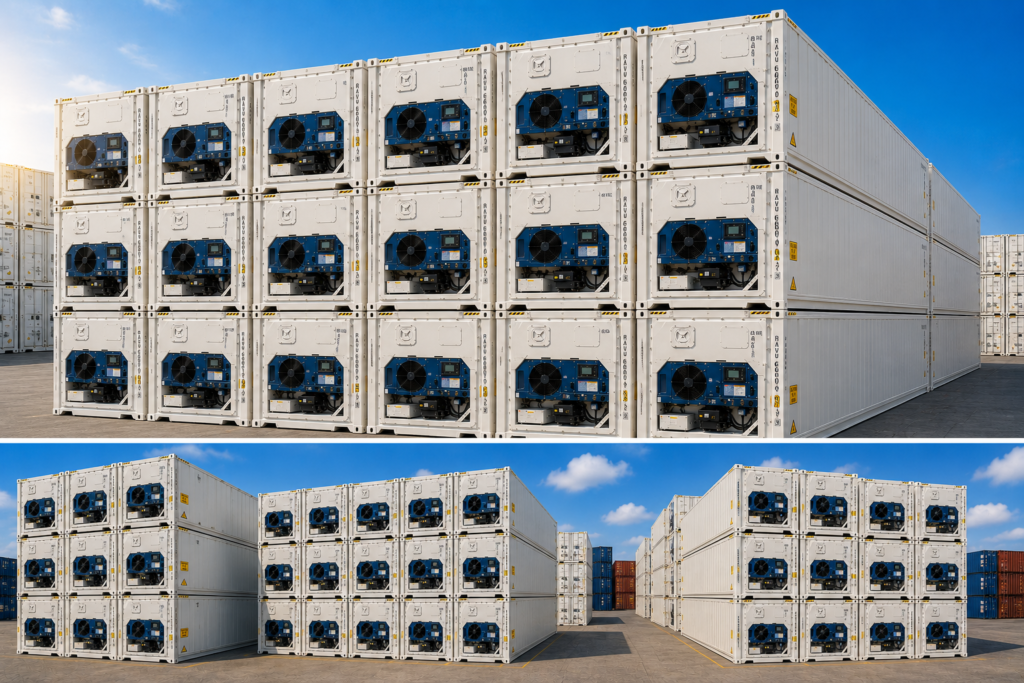
Prime Cargo Box sells new, one trip and used shipping containers, including high cube, double door, open side and refrigerated units, to businesses and private buyers around the world. Every product page shows photos, condition and a clear price, and we help you pick the right base for your shipping container office. Read more about us or visit our blog for more buying guides.
Sources and References
- International Maritime Organization: 1972 Convention for Safe Containers (CSC)
- ISO 668:2020 Series 1 freight containers: classification, dimensions and ratings
- International Code Council: ICC G5-2019 guideline for repurposed shipping containers
- US Department of Energy: Guide to Home Insulation (R-values by material)
- US Department of Energy: Insulation materials
- US EPA: Ten things you should know about mold
- US EPA: A brief guide to mold, moisture and your home
Final word
A shipping container office gives you a strong, secure, weatherproof workspace that turns up on a truck and moves on when you do. Pick a high cube for headroom, choose 20ft or 40ft by how many people will work inside, insulate it properly, plan your openings and foundation, and check the local rules before you order. A used 20ft high cube at $1,650 is a smart, low-cost start, while a one trip 40ft high cube at $2,900 gives a team a clean, roomy shell to build on. Browse our containers or ask for a quote today.