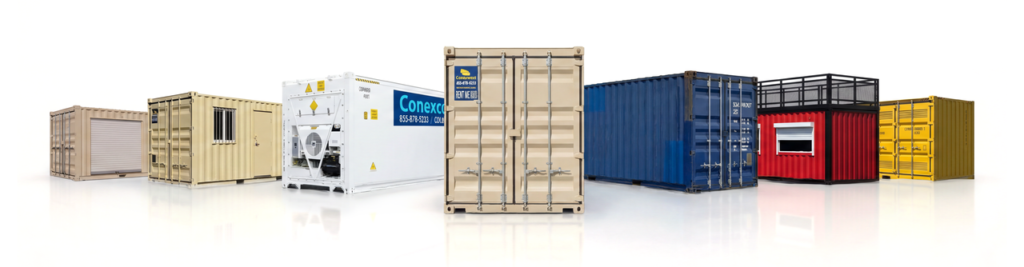
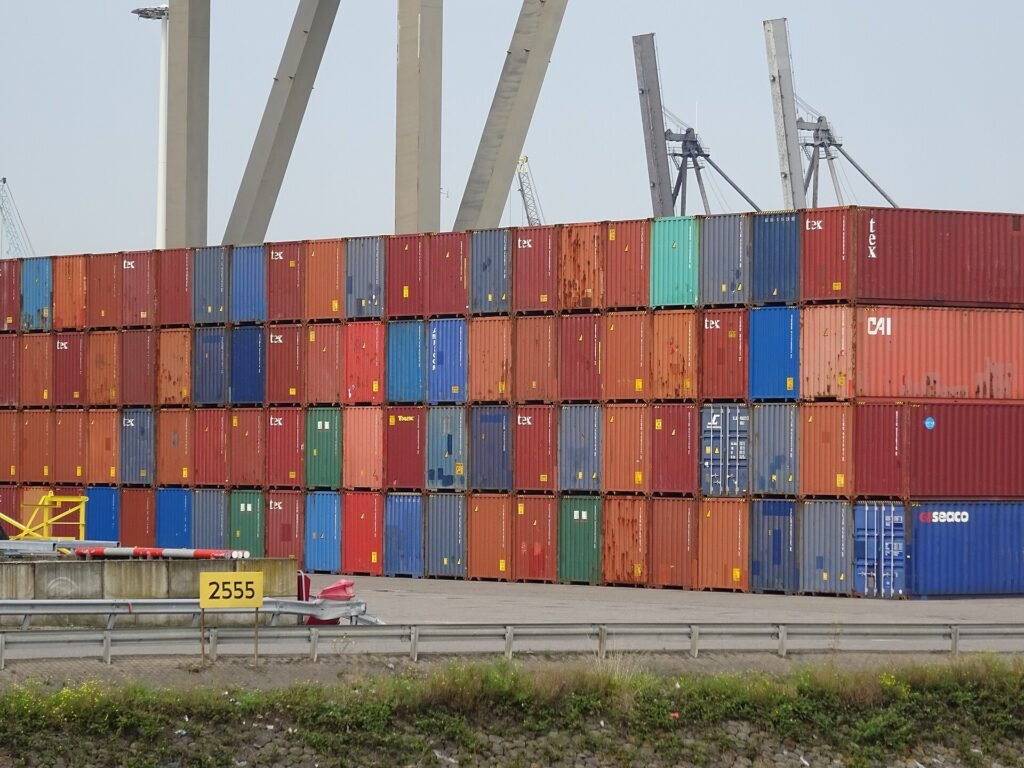
Most people start shopping for a container with a size in mind. Then they discover there’s a whole family of boxes behind that size: some taller, some with doors at both ends, some that open along the whole side, some with no fixed roof, and some with their own refrigeration unit. Picking the wrong one usually doesn’t show up until you’re trying to get a pallet out of the back, lower a machine in by crane, or keep produce cold through a hot week. To compare what each type costs, read our guide to shipping container prices.
This guide walks through the main types of shipping containers, what each one is built for, the typical specifications, and the situations where it makes sense to pay a little more for something other than a standard box. We sell all of the common types at Prime Cargo Box, new, one trip and used, so the advice here comes from the questions customers actually ask us before they order. Where it helps, we link straight to the containers themselves so you can check stock and request pricing.
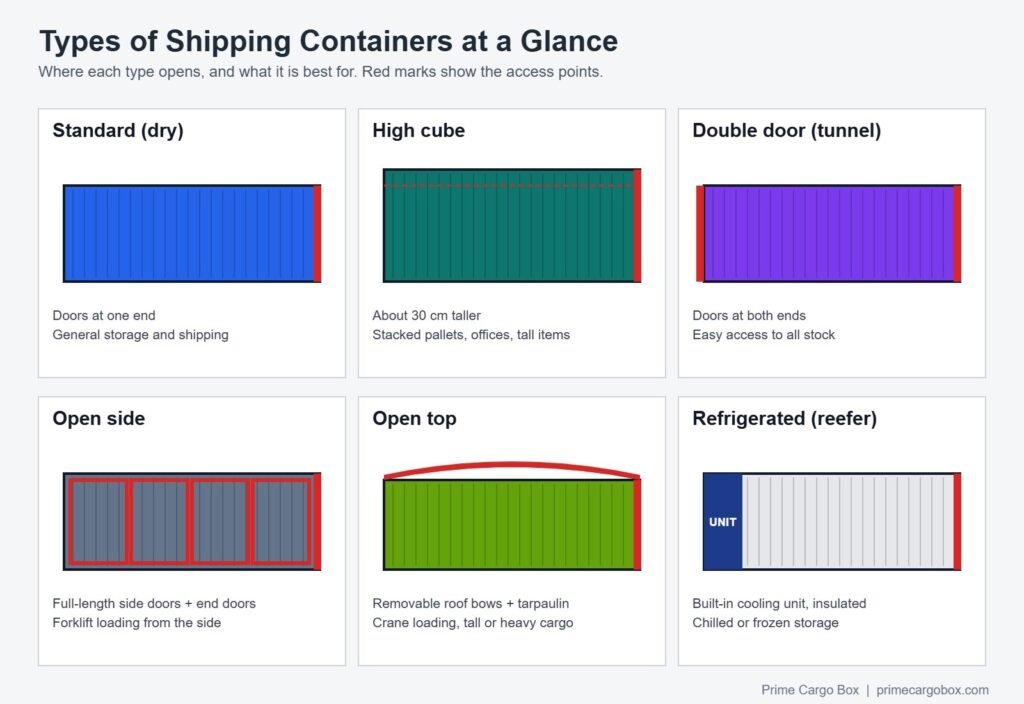
The Main Types of Shipping Containers at a Glance
Almost every container you’ll see in a port or a storage yard falls into one of a handful of families. They share the same basic footprint, built to international dimensions, but they differ in how they open, how tall they are and what’s built into them. Measurements for each type are listed in our shipping container dimensions guide.
| Type | How it opens | Common sizes | Best for |
|---|---|---|---|
| Standard dry (general purpose) | Double doors at one end | 20ft, 40ft | General storage and shipping |
| High cube | Double doors at one end, about 30 cm taller | 20ft, 40ft | Bulky cargo, stacked pallets, conversions |
| Double door (tunnel) | Doors at both ends | 20ft, 40ft | Frequent access, stock rotation |
| Open side | Full-length side doors plus end doors | 20ft, 40ft high cube | Forklift loading from the side, pop-up shops |
| Open top | Removable roof bows and tarpaulin, plus end doors | 20ft, 40ft | Crane loading, tall or heavy cargo |
| Refrigerated (reefer) | Insulated end doors, built-in cooling unit | 20ft, 40ft high cube | Chilled and frozen goods |
| Flat rack and tank | No walls or roof / a tank inside a frame | 20ft, 40ft | Oversized cargo / bulk liquids |
The outside dimensions of all of these follow the ISO 668 standard, which is why a 40ft open top fits the same trailer and crane spreader as a 40ft standard box. Every container also carries a four-character size and type code on its doors, set out in ISO 6346. The first digit gives the length, the second gives the height, and the letters that follow identify the type. A 22G1 is a standard 20ft dry box, a 45G1 is a 40ft high cube, a 22U1 is a 20ft open top, and a 45R1 is a 40ft high cube reefer. If a seller can’t tell you the code of the unit they’re quoting, ask for it. When you have picked a type, see how to buy a shipping container from start to delivery.
Length is a separate decision from type. If you haven’t settled that yet, our comparison of the 20ft vs 40ft shipping container covers space, payload and site access in detail.
1. Standard Dry Containers
The standard dry container, also called a general purpose or GP container, is the one most people picture: a sealed Corten steel box, 8 ft 6 in tall, with a pair of cargo doors at one end. It’s the backbone of world trade and the most widely available container on the second-hand market, which keeps prices lower than any other type.
Inside, there’s a marine plywood floor rated for forklift traffic, lashing rings along the bottom rails for tying down cargo, and nothing else. That simplicity is the point. It keeps weather, dust and pests out, locks with four bars and a padlock, and needs very little maintenance.
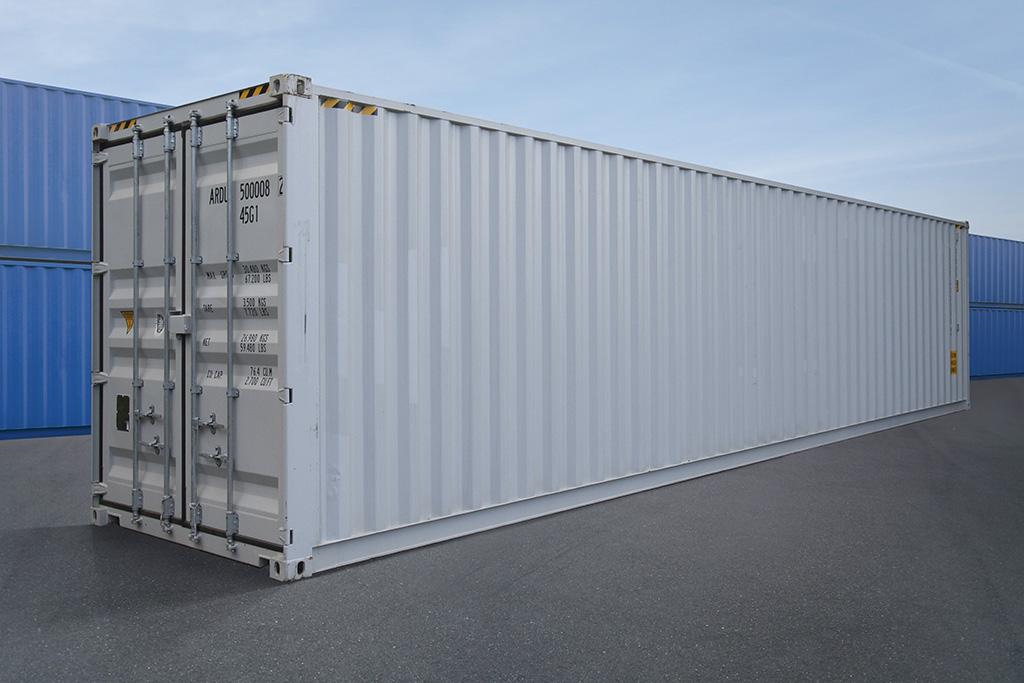
Typical standard container specifications
| Specification | 20ft standard | 40ft standard |
|---|---|---|
| External (L x W x H) | 6.06 x 2.44 x 2.59 m | 12.19 x 2.44 x 2.59 m |
| Internal (L x W x H) | Approx. 5.90 x 2.35 x 2.39 m | Approx. 12.03 x 2.35 x 2.39 m |
| Door opening | Approx. 2.34 x 2.28 m | Approx. 2.34 x 2.29 m |
| Cubic capacity | Approx. 33.2 m³ | Approx. 67.7 m³ |
| Tare weight | Approx. 2,200 to 2,350 kg | Approx. 3,750 kg |
| Maximum gross weight | Typically 30,480 kg | 30,480 or 32,500 kg |
| Construction | Corten steel, corrugated walls, marine plywood floor | |
Figures vary slightly between manufacturers; the exact ratings are always on the unit’s data plate.
When a standard container is the right choice
For most storage jobs, it is. Builders’ tools, farm equipment, household goods, shop stock and anything that goes in on a pallet truck sit happily in a standard box. It’s also the default for shipping dense, heavy cargo, because extra height or doors add cost without adding payload.
We stock standard containers in every grade: the new 20ft shipping container, the one trip 20ft shipping container, the used 20ft shipping container, and in the longer size the new 40ft shipping container, the 40ft one trip shipping container and the used 40ft shipping container. You can see them together in our standard containers category.
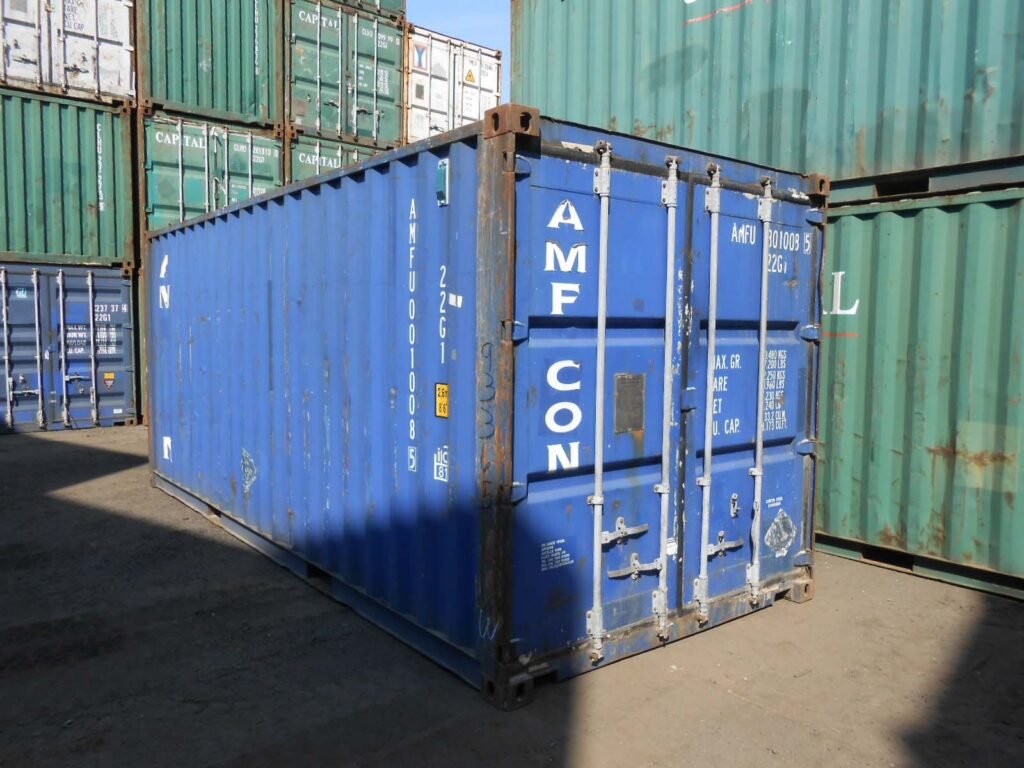
2. High Cube Containers
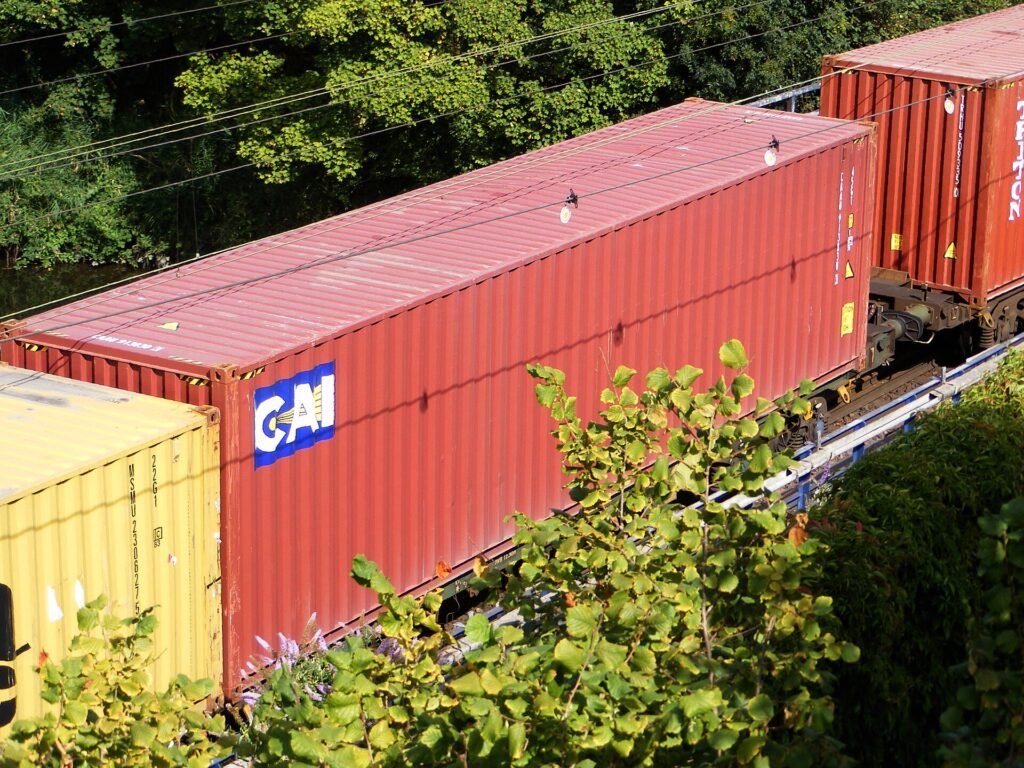
A high cube is a standard dry container built one foot taller: 9 ft 6 in (2.90 m) instead of 8 ft 6 in. Length, width, floor area and door width stay the same. What changes is roughly 30 cm of extra internal height and a door opening that’s about 30 cm taller, which adds around 12% to the volume.
That sounds modest until you load it. Light pallets that can’t be double-stacked in a standard box often fit two high in a high cube. Ride-on mowers with roll bars, scaffolding towers and tall racking clear the door. And if you insulate and line the walls for an office or workshop, you still keep a ceiling that feels like a normal room. The 40ft high cube is now the most common 40ft container in world trade.
Typical high cube specifications
| Specification | 20ft high cube | 40ft high cube |
|---|---|---|
| External height | 2.90 m (9 ft 6 in) | 2.90 m (9 ft 6 in) |
| Internal height | Approx. 2.69 m | Approx. 2.70 m |
| Door opening height | Approx. 2.58 m | Approx. 2.59 m |
| Cubic capacity | Approx. 37.4 m³ | Approx. 76.3 m³ |
| Tare weight | Approx. 2,300 kg | Approx. 3,900 kg |
One thing a high cube doesn’t do is carry more weight. Payload is about the same as a standard box, and the extra height can matter on delivery routes with low bridges, gateways or overhead cables. We explain both trade-offs in our guide to high cube vs standard containers.
Our high cube range includes the new 40ft high cube container, the one trip 40ft high cube container and the used 40ft high cube container, plus the less common 20ft versions: the new 20ft high cube container, the one trip 20ft high cube container and the used 20ft high cube container. Browse them all in the 40ft high cube containers category.
3. Double Door (Tunnel) Containers
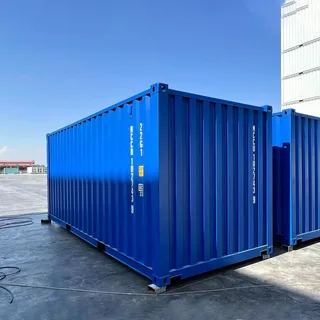
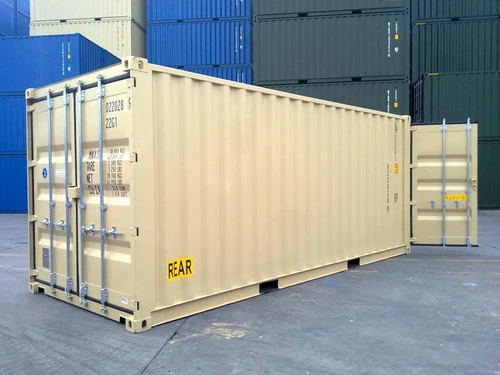
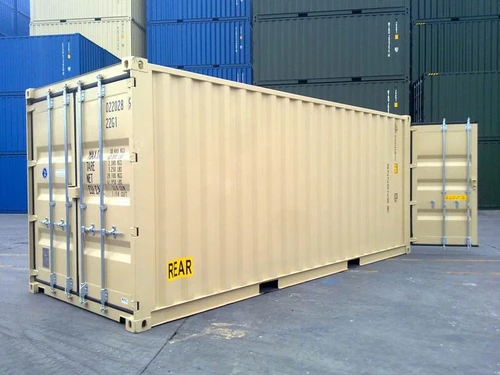
A double door container, often called a tunnel container, has a full set of cargo doors at both ends. Open both and you can see straight through, walk through, or drive a pallet truck from one end to the other.
The appeal is access. In a standard 40ft box, anything stored at the closed end is 12 metres from the only door, and reaching it can mean unloading half the container. In a tunnel container, nothing is more than half the length from a door. That makes it popular for stock that moves in and out every day, for splitting the space between two users or two types of goods, and for loading at one end while unloading at the other. With both ends open, you also get a breeze through the box on hot days.
Typical double door specifications
| Specification | 20ft double door | 40ft double door |
|---|---|---|
| Internal length | Approx. 5.84 m | Approx. 11.98 to 12.03 m |
| Internal width x height | Approx. 2.35 x 2.39 m | Approx. 2.35 x 2.39 m |
| Door openings (both ends) | Approx. 2.34 x 2.28 m | Approx. 2.34 x 2.28 m |
| Cubic capacity | Approx. 32.8 m³ | Approx. 67 m³ |
| Tare weight | Approx. 2,350 to 2,500 kg | Approx. 3,660 to 3,900 kg |
The second door frame takes a few centimetres off the internal length and adds a little weight. In practice, most owners never notice the space and appreciate the access every week. The catch is that you need room to open the doors at both ends; if one end will sit hard against a wall, a standard container makes more sense.
We sell tunnel containers in both lengths and three grades: the new 20ft double door container, the one trip 20ft double door container, the used 20ft double door container, the new 40ft double door container, the one trip 40ft double door container and the used 40ft double door container. They’re grouped in our double door containers category.
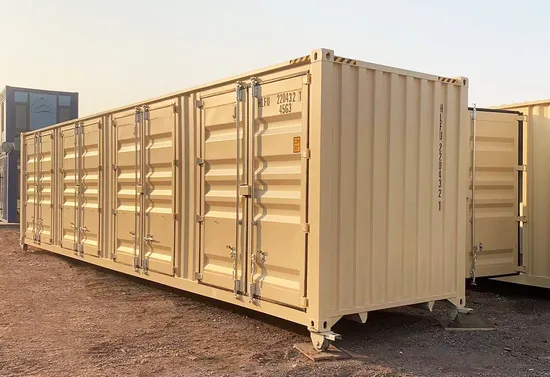
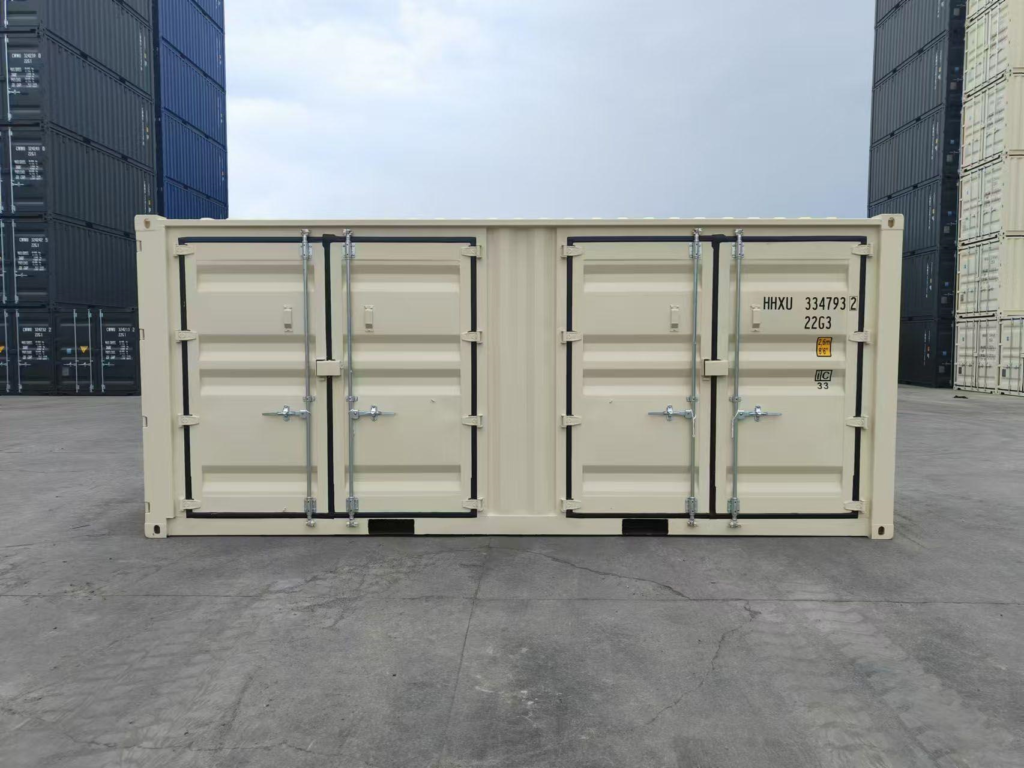
4. Open Side Containers
An open side container replaces one of the long walls with a set of bi-fold doors that open across almost the whole length. Standard cargo doors stay at the end, so you get both. Fold the side open and every metre of the interior is reachable from outside, which means pallets can be loaded straight off a forklift from the side instead of being pushed back from the end doors.
Of all the types of shipping containers we sell, this is the one that changes how a container is used day to day. Builders’ merchants, timber yards, event and hire companies, workshops and farms buy them because they pick and restock constantly. Cafes, bars and pop-up shops buy them because the opened side becomes a shopfront or serving hatch.
Typical open side specifications
| Specification | 20ft open side | 40ft high cube open side |
|---|---|---|
| External height | 2.59 m (8 ft 6 in) | 2.90 m (9 ft 6 in) |
| Side door opening | Approx. 5.70 to 5.82 m wide x 2.15 to 2.19 m high | Approx. 11.56 m wide x 2.31 m high |
| Internal width | Approx. 2.22 to 2.29 m | Approx. 2.29 m |
| Internal height | Approx. 2.27 to 2.39 m | Approx. 2.47 m |
| Tare weight | Approx. 2,930 to 3,400 kg | Approx. 5,900 to 6,600 kg |
| Doors | Bi-fold side doors in pairs, each pair with its own locking bars, plus end doors | |
Open side containers vary more between factories than standard boxes, which is why the figures above are ranges. Without a solid side wall, the frame carries load through heavier rails and posts, so the box is heavier and a little narrower inside. The other thing to know is that they’re unforgiving of uneven ground. If the base twists, the side doors stop lining up. Plan for a properly level pad and 4 to 5 metres of clear space along the opening side.
Condition matters more on this type than any other, because there are so many hinges and gaskets. For daily use, near-new is worth it: see the new 20ft open side container, the one trip 20ft open side container and the 40ft open side container. For budget storage that won’t be opened every day, the used 20ft open side container and used 40ft open side container are good value. All of them are in the open side containers category.
5. Open Top Containers
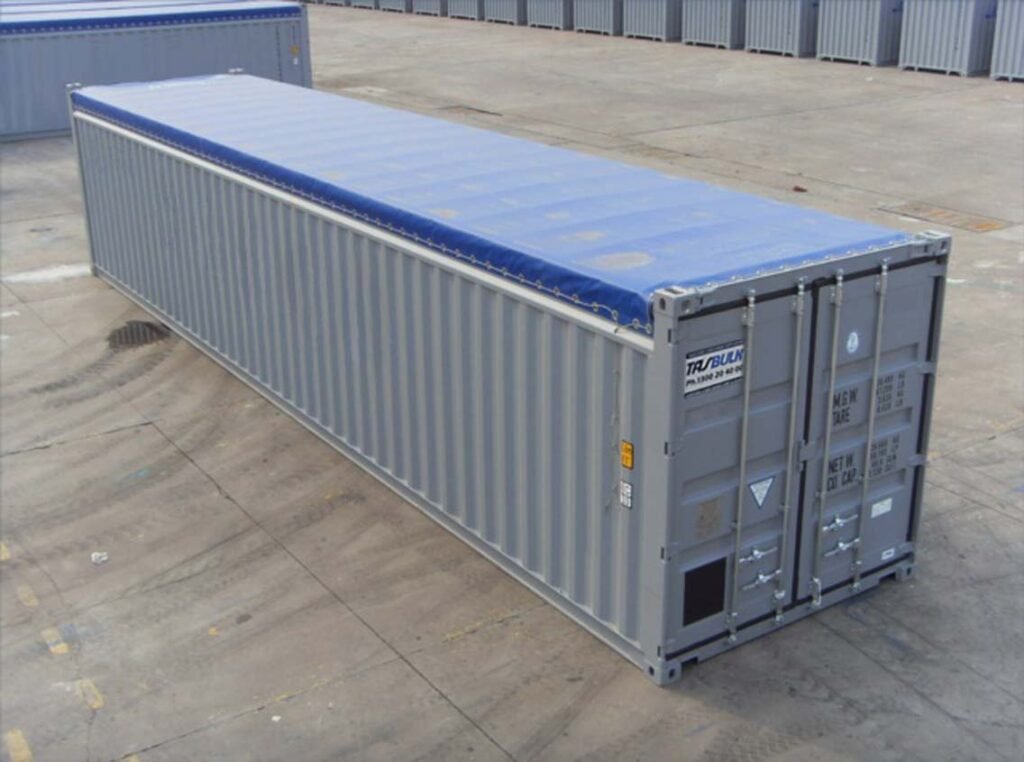
An open top container has steel walls, a floor and end doors like any other box, but no fixed steel roof. Instead, removable steel roof bows span the top and support a heavy tarpaulin, tied down along the top rails with a cable. Release the cable, fold back the tarpaulin, lift out the bows, and you can lower cargo straight in from above with a crane, telehandler or overhead gantry.
That makes the open top the answer for cargo that won’t go through a 2.3 metre door: machinery, stone blocks, steel coils, long pipe and timber bundles, and anything that’s safer to lift than to drag. Many open tops also have a swing-out header above the doors, which can be released for extra height when loading through the end.
Typical open top specifications
| Specification | 20ft open top | 40ft open top |
|---|---|---|
| Internal (L x W x H to bows) | Approx. 5.90 x 2.35 x 2.34 m | Approx. 12.03 x 2.35 x 2.34 m |
| Roof opening | Approx. 5.34 x 2.23 m | Approx. 11.55 x 2.23 m |
| Door opening | Approx. 2.34 x 2.28 m | Approx. 2.34 x 2.28 m |
| Cubic capacity | Approx. 32.5 m³ | Approx. 66.8 m³ |
| Tare weight | Approx. 2,300 to 2,500 kg | Approx. 3,800 to 4,100 kg |
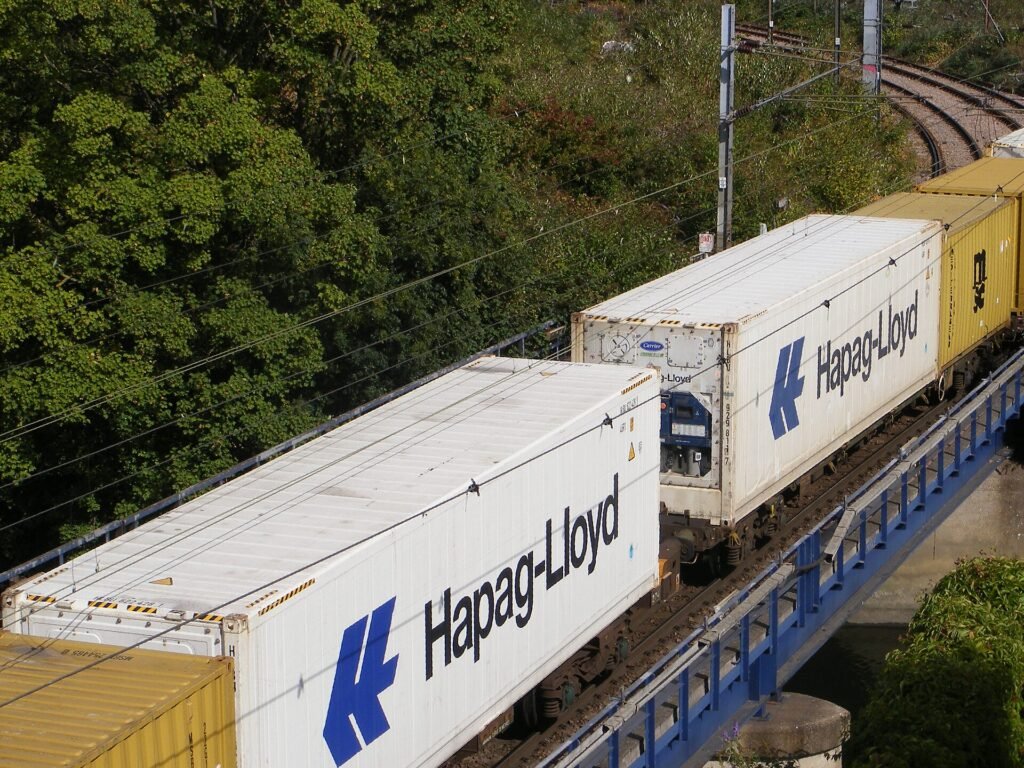
Carriers publish comparable figures, for example the Hapag-Lloyd 40ft open top specification. Two practical points: a tarpaulin roof is less secure than steel, so open tops suit materials and plant better than small valuables, and cargo that stands above the side walls counts as out of gauge for shipping, which your forwarder needs to know before booking.
We stock the one trip 20ft open top container, the used 20ft open top container, the one trip 40ft open top container, the used 40ft open top container and a new 40ft open top shipping container. The full range is on our open top shipping container for sale page.
6. Refrigerated (Reefer) Containers
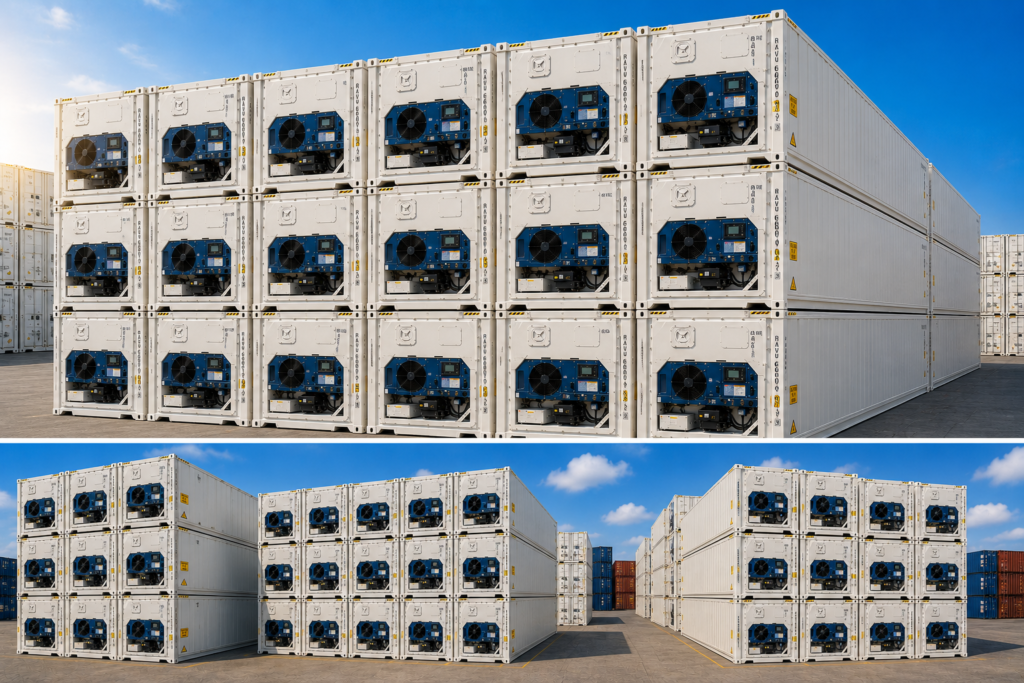
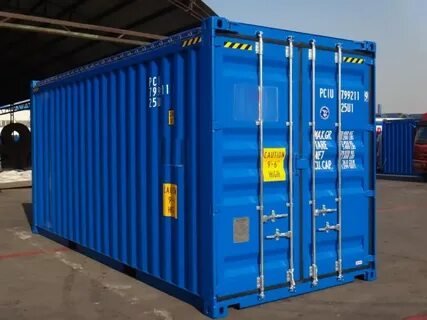
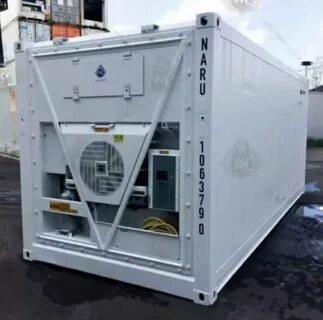
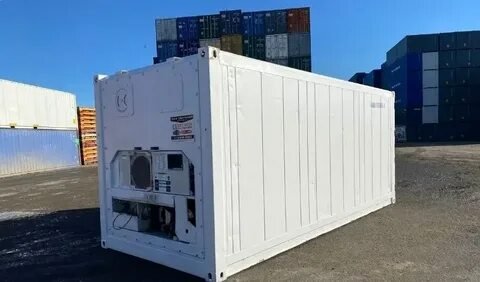
A reefer is a fully insulated container with its own refrigeration unit built into the front wall. Chilled air is blown under the cargo through a slotted aluminium T-bar floor, rises through the load and returns along the ceiling, so the whole box holds an even temperature. Plug it into a three-phase supply, set the controller, and you have a walk-in chiller or freezer wherever you need one.
Shipping lines use reefers to move fruit, meat, fish, dairy, flowers and pharmaceuticals. On land, farms, butchers, caterers, food distributors and event organisers use them as portable cold rooms. Most standard units cover roughly -30 °C to +30 °C, depending on the machinery model.
Typical reefer specifications
| Specification | 20ft reefer | 40ft high cube reefer |
|---|---|---|
| Internal (L x W x H) | Approx. 5.45 x 2.28 x 2.16 to 2.26 m | Approx. 11.58 x 2.29 x 2.40 to 2.43 m |
| Cubic capacity | Approx. 28 m³ | Approx. 67 m³ |
| Tare weight | Approx. 2,860 to 3,100 kg | Approx. 4,400 to 4,800 kg |
| Temperature range | Typically -30 °C to +30 °C, depending on the machinery | |
| Power | Three-phase, typically 380 to 460 V, 50/60 Hz | |
Notice how much smaller a reefer is inside than a dry container of the same length; insulation and machinery take up space. The bigger buying questions are power (it won’t run on a household socket), the age and make of the machinery, and the condition of the lining and seals. Our guide to buying a reefer container covers all of those checks.
Every reefer we sell is fully working: the one trip 20ft reefer container, the used 20ft reefer container, the one trip 40ft reefer container and the used 40ft reefer container, plus our 20ft refrigerated shipping container and 40ft refrigerated shipping container listings. See everything on the refrigerated containers for sale page.
7. Specialist Types: Flat Racks, Tanks and Others
A few other types of shipping containers exist mainly for the shipping industry rather than for storage buyers. We don’t stock them, but it’s worth knowing what they are so you can rule them in or out.
Flat rack containers
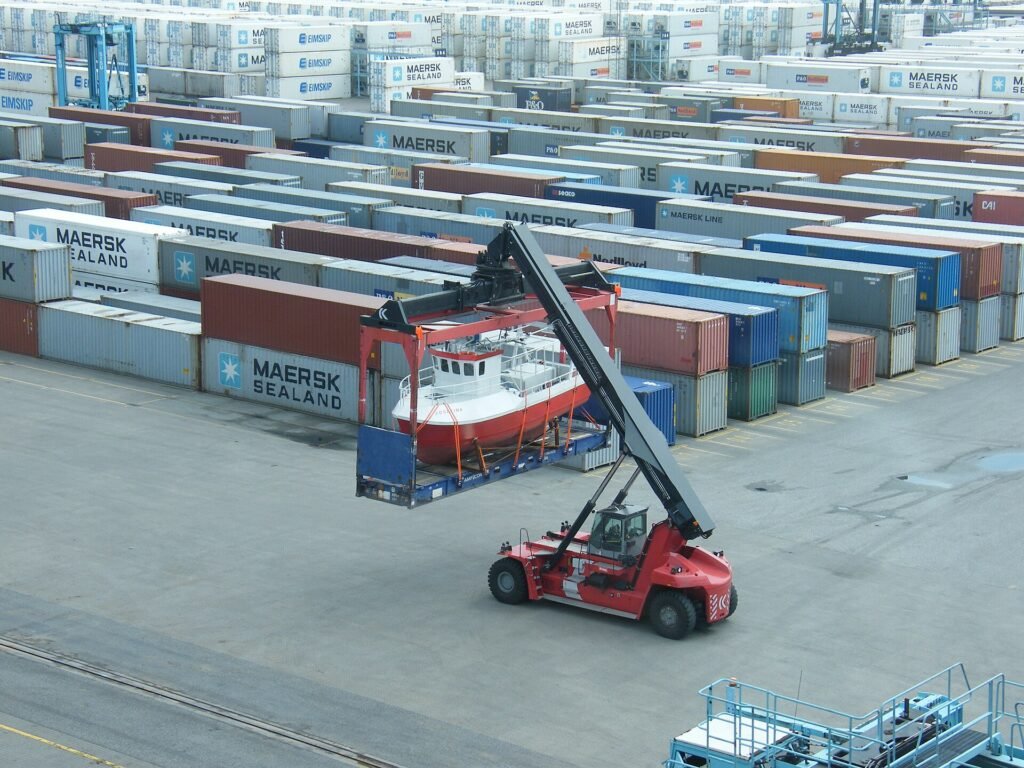
A flat rack is a strong steel floor with end walls and no side walls or roof. Many have end walls that fold down. They carry cargo too wide, tall or awkward for any enclosed box: boats, vehicles, cable drums, machinery and construction plant. Because nothing protects the load from weather or theft, flat racks are rarely useful as storage. If you need to move oversized cargo, your freight forwarder will arrange one for the voyage.
Tank containers
A tank container is a stainless steel tank held inside a 20ft frame with standard corner castings, used for bulk liquids, gases and powders, including food-grade products and chemicals. They’re specialist, pressure-rated equipment with their own inspection regimes, and not something to buy for general use.
Insulated, ventilated and other special boxes
You’ll also come across insulated containers, which are reefers whose machinery doesn’t work or has been removed, ventilated containers for products such as coffee beans, and bulk containers with roof hatches for loading grain or powders. If you’re offered a “cheap reefer”, check whether it’s actually a non-working insulated box. It can still be a useful, stable store, but it won’t cool.
Every container that carries cargo at sea, whatever its type, must hold a valid safety plate under the International Convention for Safe Containers. That applies to your own container too if you plan to ship goods in it.
Choosing Between Types of Shipping Containers by Use
Most buyers don’t need to compare every type. They need to match one job to one box. This is the shortlist we usually suggest.
| What you need to do | Usually the best type | Why |
|---|---|---|
| General storage on a budget | Standard, used | Lowest cost per cubic metre, simple to maintain |
| Ship heavy, dense goods | 20ft standard | Reaches the weight limit before the space runs out |
| Ship light, bulky goods | 40ft high cube | Most volume for similar freight cost |
| Stack pallets or store tall items | High cube | Extra 30 cm of height inside and at the door |
| Reach stock at both ends | Double door | Nothing is more than half the length from a door |
| Load by forklift from the side, or run a shop or bar | Open side | The whole side opens |
| Load by crane, or carry tall or heavy plant | Open top | The roof comes off |
| Keep goods chilled or frozen | Reefer | Built-in refrigeration and insulation |
| Office, workshop or studio | High cube, new or one trip | Headroom after insulation, clean walls to work on |
If two types look equally good, think about how often you’ll open the container and from where. Daily access from the yard side points to an open side; deliveries in at one end and collections out the other point to a tunnel container. Occasional access to the same stored goods points back to a standard box, which is the cheapest of all.
Type, Size and Condition: Three Separate Decisions
It helps to treat these as three separate questions rather than one. The type decides how the container opens and what it’s built to do. The size, 20ft or 40ft, decides how much room you get and whether it fits your site. The condition decides how it looks, how long it lasts and what it costs.
Every type we sell comes in more than one grade:
- New: never used, unmarked paint and seals. Best for conversions and visible sites. Browse our new shipping containers for sale.
- One trip: built new, then used for a single loaded voyage. Near-new condition at a lower price, and usually the best value for specialist types with extra doors or machinery.
- Used: retired from shipping service, wind and watertight, with visible wear. The lowest-cost option for storage. See our used shipping containers for sale.
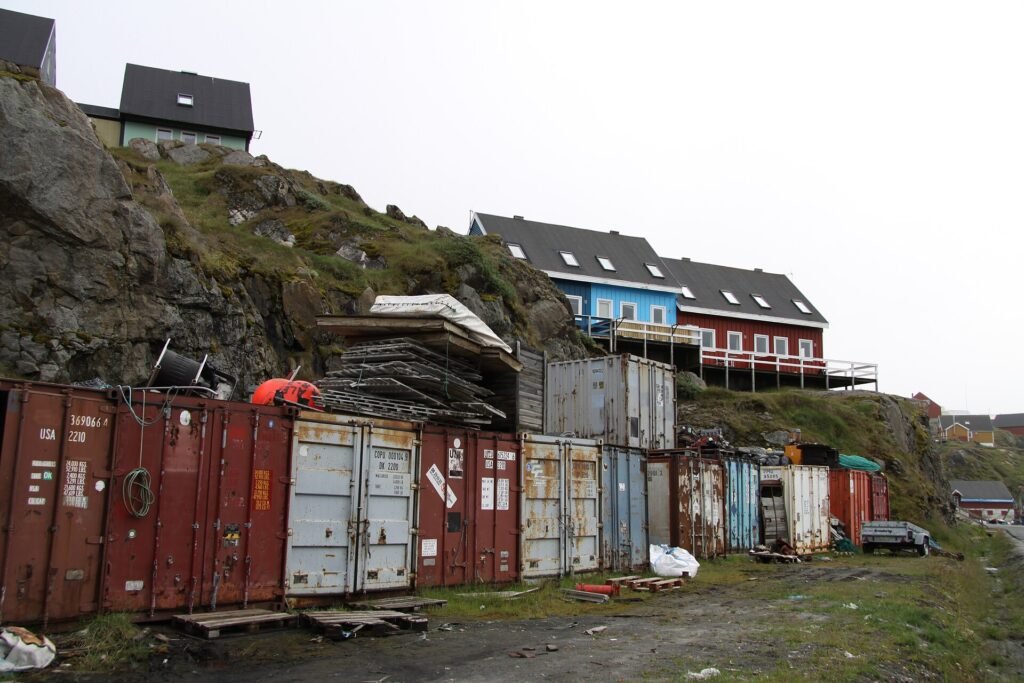
Condition matters more on some types than others. A used standard box is a solid buy for storage. A used open side or used reefer needs a closer look, because the side door hardware and the refrigeration machinery are where the wear shows. Our guide to one trip vs used shipping containers explains how to inspect each grade.
Modifying a Container Instead of Buying a Specialist Type
Sometimes a standard container plus a modification does the job of a specialist type for less money. A personnel door cut into the side gives walk-in access without the cost of an open side. Roof or wall vents reduce condensation for goods that sweat. Shelving, lighting and a lockbox turn a plain box into an organised store. Insulation and lining turn a high cube into an office.
Other jobs need the real thing. You can’t safely cut a full-length side opening into a standard container and expect it to stay square, and you can’t add cooling to a dry box and expect reefer performance. If the core function is side access, top loading or refrigeration, buy the type built for it. Our custom container modifications team can advise on which route fits your project.
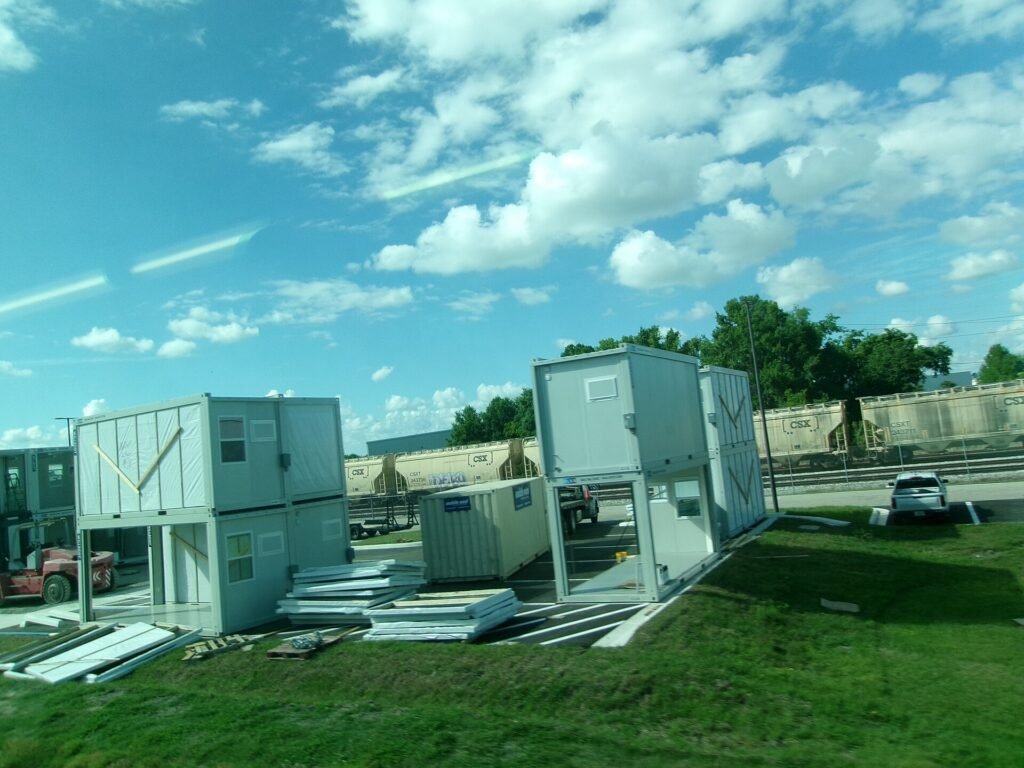
How Container Type Affects Delivery and Site Preparation
Every container needs a firm, level base and a clear route for the truck, but some types ask for more:
- High cubes stand about 30 cm taller on the truck, so check overhead clearance along the route.
- Double door containers need space to open doors at both ends, roughly 2.5 m at each end.
- Open side containers need 4 to 5 m of clear ground along the opening side and a carefully levelled base.
- Open tops need safe access for a crane or telehandler to reach over the container after it’s placed.
- Reefers are heavier and need three-phase power close by, plus clear airflow around the machinery.
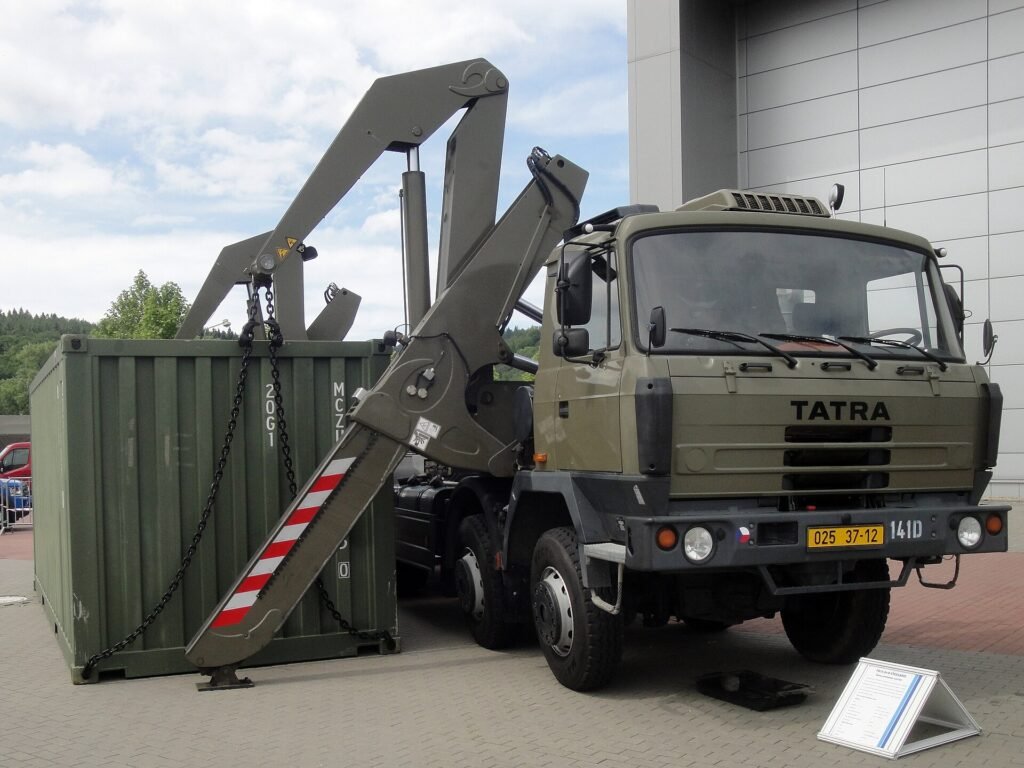
Our guide to shipping container delivery covers truck space, ground preparation and what to check on the day, and our shipping and delivery policy explains how we quote and schedule.
How the Types Compare on Cost
Prices move with steel costs, demand and location, so we won’t quote figures here. The order of cost between the types, though, is fairly consistent around the world, from lowest to highest for the same size and condition:
- Standard dry. Built in the largest numbers and the most common on the used market.
- High cube. Usually a small premium for 40ft units because they’re so common; a larger premium for 20ft high cubes, which are scarcer.
- Double door. The second door set adds steel, hardware and labour.
- Open top. Fewer are built, and the roof bows and tarpaulin add cost.
- Open side. The reinforced frame and many door leaves make it one of the most expensive dry types.
- Refrigerated. The machinery, insulation and stainless lining put reefers at the top of the range.
Condition sits on top of that: a used open side can cost less than a new standard box, and a one trip reefer costs far more than a used one. Delivery is quoted separately and depends mainly on distance and the truck needed, not on type, except where a reefer’s weight or an open side’s site needs call for a crane or side-lifter.
Three Real-World Examples
A landscaping firm wanted to load mowers and pallets of stone without digging to the back of the box. A 20ft open side let them park the forklift alongside and reach everything, and it doubled as a covered work area in summer.
A fruit grower needed somewhere to hold harvest for a few weeks before collection. A used 40ft reefer, plugged into the farm’s three-phase supply, gave them around 20 pallet spaces of cold storage without building anything.
A machinery dealer shipping equipment overseas needed to crane-load units too tall for a door. A one trip 20ft open top carried the heavy load within its payload, and the CSC plate meant no extra survey before shipping.
Common Mistakes When Choosing a Container Type
Buying a specialist type you won’t use. An open side or tunnel container costs more than a standard box. If the doors will rarely be opened, that premium buys nothing.
Expecting a high cube to carry more weight. It holds more volume, not more payload.
Choosing an open top for secure storage. The tarpaulin roof is fine for materials and plant, but a solid steel roof is far more secure for valuables.
Buying a reefer without checking power. Without a three-phase supply or a generator, it’s just an insulated box.
Ignoring the site. Open sides need level ground and room to fold the doors back. Tunnel containers need access to both ends. Measure first.
Forgetting the size and type code. Ask for it. It tells you exactly what you’re being offered, whatever the listing says.
Frequently Asked Questions
How many types of shipping containers are there?
Dozens of variants exist, but for most buyers there are six main types of shipping containers to choose from: standard dry, high cube, double door, open side, open top and refrigerated. Flat racks, tanks and other special boxes are mainly used within the shipping industry.
Which type of shipping container is most common?
The standard dry container. The 20ft standard is the most common box overall, and the 40ft high cube is the most common 40ft container in world trade.
Are all container types the same outside size?
Lengths and widths follow the same international standard, so a 20ft open top and a 20ft standard share the same footprint. Height differs between standard (2.59 m) and high cube (2.90 m) versions.
Which type is best for a container office or workshop?
Usually a high cube in new or one trip condition, because you keep normal headroom after insulation and clean walls are easier to fit out. An open side works well if you want the whole front to open.
Can I ship goods in any type of container?
Yes, as long as the container is cargo worthy with a valid CSC plate. New and one trip containers have this as standard; used ones need to be the cargo worthy grade.
Do you sell every type?
We sell standard, high cube, double door, open side, open top and refrigerated containers in 20ft and 40ft sizes, new, one trip and used. Browse our 20ft containers, 40ft containers or all products, or read our overview of cargo containers for sale.
Getting the Right Container
Once you know the main types of shipping containers, the choice usually narrows quickly: a standard box for everyday storage and dense cargo, a high cube when height matters, a tunnel or open side when access matters, an open top for crane loading and a reefer for anything that has to stay cold. Tell us what you’re storing or shipping, where it’s going and how often you’ll open the doors, and we’ll recommend the right type, size and grade. You can request pricing for delivery anywhere in the world, and our billing and payment policy explains how ordering works.
Cover photo: AgainErick / CC BY-SA 4.0, via Wikimedia Commons.