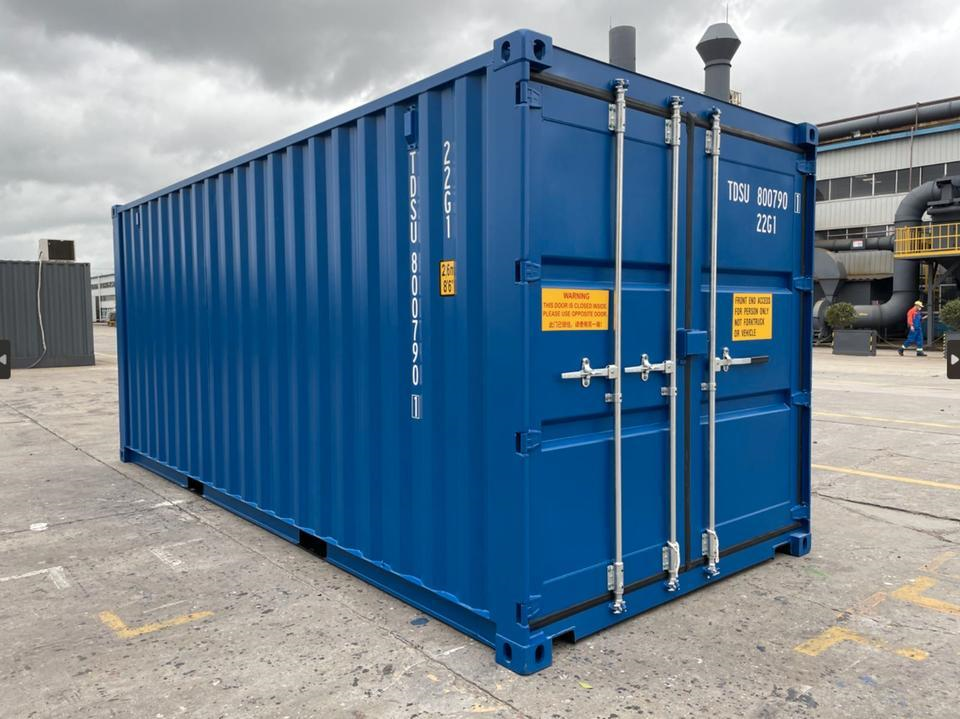
Secure storage containers are steel shipping containers bought outright and used as lockable, weatherproof stores for tools, stock, equipment and records. At Prime Cargo Box a one trip 20ft container costs $1,550, a one trip 40ft high cube is $2,900 and a brand new 40ft high cube is $3,800, before delivery. Each one has a 2 mm corrugated steel shell, steel doors that close on rubber seals, and four heavy locking bars that you secure with a padlock. Add a lock box and a good padlock and you have a store that is far harder to break into than a shed, a garage or a timber site hut.
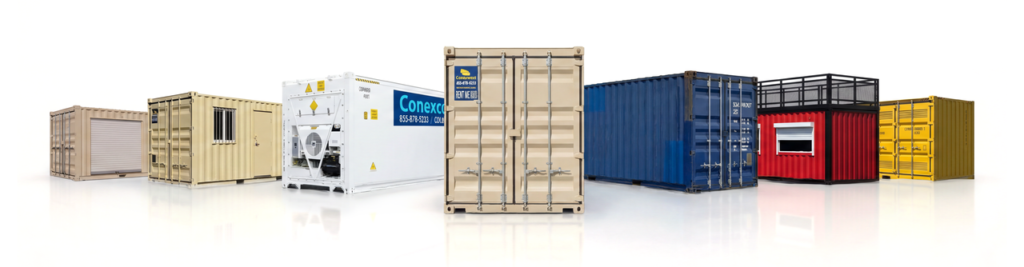
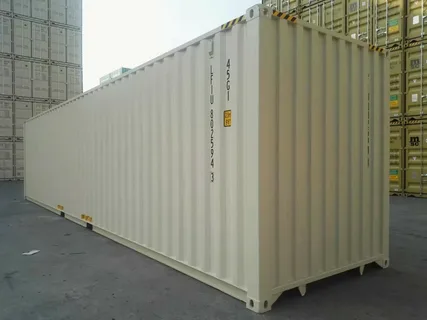
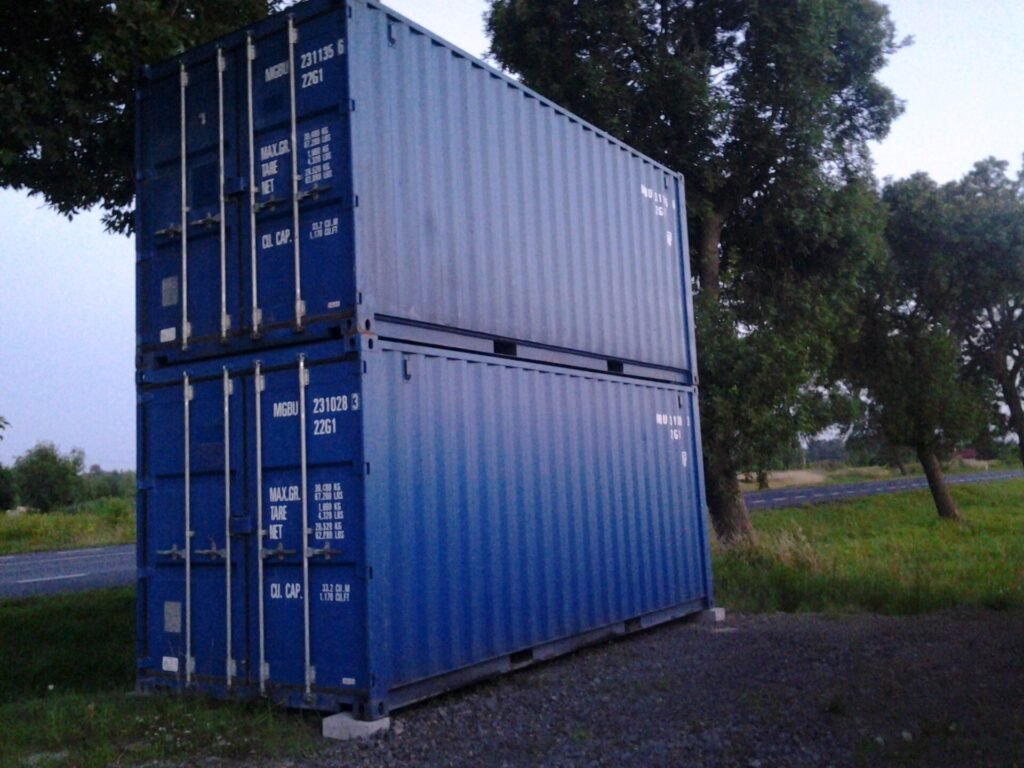
This guide is for business owners, contractors, farmers, shop owners, clubs and homeowners who want to buy a container and need it to actually keep thieves out. It explains where containers are strong, where they are weak, which locks are worth paying for, how to place the box so it is harder to attack, and what a sensible setup costs. The photos of containers below are of the near-new stock we sell, so you can see the condition you will get.
Secure storage containers: the short answers
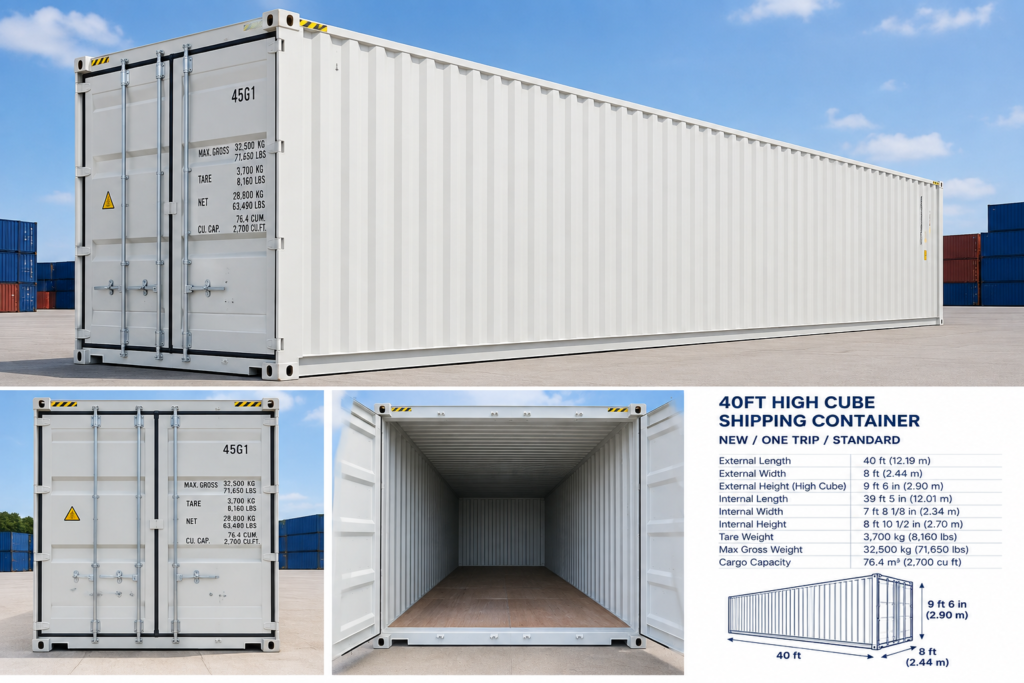
- Most popular size: a 40ft high cube. It gives about 76 cubic metres of lockable space for $2,900 in one trip condition.
- Best for small sites and yards: a 20ft container. It holds about 10 pallets and fits in a single parking bay.
- Best condition for security: one trip or new. The door gear is straight, the seals are soft and the doors close tight with no gap at the edges.
- The weak point: the padlock, not the steel. A cheap padlock on an exposed hasp can be cut in seconds.
- The fix: a welded lock box that hides the padlock, plus a high-grade closed-shackle padlock.
- Extra layers: an internal door bar lock, a door alarm, lighting and placing the doors where people can see them.
Prices for secure storage containers
Every price below is taken from our live product pages and is in US dollars before delivery. Click any container to see its photos, condition grade and full spec.
| Container | Condition | Price | Good for |
|---|---|---|---|
| 20ft standard | Used | $1,000 | Low-cost tool store |
| 20ft standard | One trip | $1,550 | Tools, stock, garden equipment |
| 20ft standard | New | $2,400 | Long-term business store |
| 20ft high cube | One trip | $2,950 | Tall racking, quad bikes |
| 40ft high cube | Used | $2,200 | Bulk storage on a budget |
| 40ft high cube | One trip | $2,900 | Stock, plant, mixed storage |
| 40ft standard | One trip | $3,200 | Palletised goods |
| 40ft standard | New | $3,400 | Archive and records store |
| 40ft high cube | New | $3,800 | Main store for 25+ years |
| 20ft double door | One trip | $2,500 | Access from both ends |
| 40ft double door | One trip | $3,500 | Drive-through plant store |
If you want to see how condition changes the price, our shipping container price guide goes through each grade, and the guide to cheap shipping containers shows where you can save money without ending up with a box that leaks or won’t lock properly.
What actually makes a container secure
People call shipping containers secure storage containers because they look like steel safes. That’s partly true. It helps to know which parts do the real work, because that tells you where to spend money and where not to bother.
The steel shell
Walls, roof and doors are made from corrugated weathering steel, usually around 1.6 to 2 mm thick, welded to a steel frame. Containers are built to the international ISO 1496-1 standard for general cargo containers, which covers how strong the walls, floor, roof and doors must be. That is why a container from any big factory has the same basic strength. Cutting through the wall is possible with an angle grinder, but it is slow, loud and throws sparks, which is exactly what a thief wants to avoid.
The doors and locking bars
The cargo doors are the strongest part of the box. Each door has two vertical locking bars that turn and drop into steel cam keepers welded to the top and bottom of the frame. When the handles are closed and locked, the bars hold each door at four points. You cannot lever the door open from the edge because the cams hold it tight against the frame.
No windows, no weak panels
A standard container has no windows, no skylights and no thin panels. There is no glass to smash and nothing to unscrew from outside. The only openings are small air vents near the roof, and these are too small for a hand.
The floor
The floor is thick marine plywood, usually 28 mm, bolted onto steel cross members. When the box sits on pads or sleepers, nobody can get underneath it to cut a way in without lifting the box first.
The weight
An empty 20ft container weighs about 2.2 tonnes and a 40ft high cube about 3.9 tonnes. Nobody is driving off with one without a crane truck or a tilt-bed and a lot of attention from the neighbours.
Where secure storage containers are weak
If containers are so strong, why do people still get broken into? Almost always for one of these reasons.
- A cheap padlock. Thieves don’t cut steel walls. They cut padlocks. A thin open-shackle padlock bought at a hardware store can be cut with bolt croppers in seconds.
- An exposed padlock. Even a good padlock is weak if bolt croppers or a grinder can reach the shackle.
- Worn door gear. On old, damaged containers the locking bars may be bent or the cam keepers worn, so the doors flex and leave a gap a crowbar can use.
- A hidden location. A box placed behind a building or at the back of a yard gives thieves time and cover.
- Valuables in view. Leaving the doors open during the day lets anyone passing see what’s inside.
Every one of these weak points in secure storage containers can be fixed for a small part of the container’s price. The rest of this guide shows how.
Secure storage containers vs sheds, garages and self storage
Most people looking at secure storage containers are comparing them with something else: a garden shed, a prefab garage, a steel site hut or a self storage unit down the road. Here is how they stack up for security and cost over time.
| Option | Walls | Door security | Moves with you | Ongoing cost |
|---|---|---|---|---|
| Timber shed | Timber boards | Hasp and screws | Not really | Repairs, treatment |
| Plastic or thin metal shed | Thin sheet | Light latch | Yes, if taken apart | Replaced often |
| Prefab concrete garage | Concrete panels | Up-and-over door | No | Roof and door repairs |
| Self storage unit | Varies | Your padlock on a roller door | No | Monthly rent, forever |
| Shipping container | Corrugated steel | 4 locking bars, lock box, padlock | Yes, by truck | Very little |
A shed is cheap to buy but easy to get into. The hinges are often held by screws you can undo from outside, and the walls can be prised apart with a crowbar. A garage is stronger but you can’t take it with you. Self storage can be well guarded, but you pay rent every month, and over three or four years the rent often adds up to more than buying a container outright. Once a container is paid for, it is yours. You can move it, sell it or keep using it for decades.
The trade-off is that a container needs ground space and a truck to deliver it, and some areas have rules about where you can place one. Check with your local council or landlord before you order if you are unsure.
Organising the inside for security
How you load secure storage containers matters almost as much as how you lock them.
- Valuables at the back. Put the most expensive items at the far end, behind bulky low-value items. Anyone who gets the doors open has to unload a lot before reaching anything worth taking.
- Bolt shelving to the floor or walls. Racking that is fixed in place is harder to tip, and smaller items can be locked into steel cabinets inside the box.
- Chain large items. Generators, mowers and compressors can be chained to the lashing rings along the floor.
- Never leave keys inside. Keep spare keys for vehicles and equipment somewhere else entirely.
- Keep a list. Write down serial numbers and take photos of everything as it goes in. It helps the police and your insurer if anything is stolen.
Common mistakes with secure storage containers
- Buying the cheapest damaged box. A container with bent door gear or a soft floor will never lock properly. Spend a little more for cargo worthy, one trip or new.
- Using the old padlock from the shed. The lock should match the value of what is inside.
- Skipping the lock box. It is a small cost and it protects the one part thieves go for.
- Placing the box out of sight. Hidden boxes give thieves cover and time.
- Putting it on soft ground. If one corner sinks, the doors bind and stop closing tight.
- Blocking the vents. Damp ruins stored goods faster than most thieves would.
- Storing fuel or gas bottles inside. A closed steel box traps fumes. Keep fuel in a proper fuel store.
Moving or selling later
Secure storage containers keep their value well, because a sound container is useful to almost anyone. If you move business premises, the box goes with you on a truck, contents and all, as long as the load is light enough and properly secured. If you no longer need it, there is a steady resale market for one trip and cargo worthy boxes. That is one more reason to buy a near-new container and look after it: when you are done with it, it is still worth something.
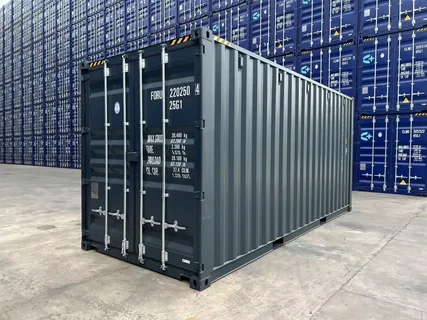
Choosing locks for secure storage containers
If you take one thing from this guide, make it this: buy the container you can afford, then spend properly on the lock. A $2,900 box guarded by a $10 padlock is a $10 store.
Padlocks: what to look for
- Closed or shrouded shackle. The body of the lock wraps around the shackle so there is almost no exposed steel to cut.
- Hardened shackle. Boron or hardened alloy steel resists bolt croppers far better than plain steel.
- A recognised security grade. In Europe padlocks are graded 1 to 6 under EN 12320, the padlock and padlock fittings standard. Grade 5 or 6 is the right level for a container holding anything of value. Other markets use their own ratings, so look for the highest grade sold where you live.
- Ask your insurer. Many business policies name the lock grade they expect. Check before you buy, not after a claim.
Lock boxes
A lock box is the upgrade we fit most often to secure storage containers. It is a small steel housing welded onto the container doors around the point where the padlock goes. The padlock sits inside it, so bolt croppers and grinders can’t get a straight cut at the shackle. It is the single most useful upgrade you can make, and it costs little. Our container modification service can weld one on before delivery, so the box arrives ready to lock.
Container bar locks
A bar lock is a heavy steel bracket that clamps across two of the door locking bars and takes its own padlock. It stops the handles turning even if the main padlock is defeated. Many owners use a lock box on the right-hand door and a bar lock on the left-hand door, so a thief has to beat two different locks.
Internal locks and door sensors
For high-value stock, some owners fit an internal deadlock operated from a side personnel door, or a battery door sensor that sends an alert to a phone when the doors open. A sensor won’t stop a break-in by itself, but it cuts the time a thief has before someone turns up.

Why one trip and new boxes are more secure
With secure storage containers, security comes down to how well the doors close. That depends on the condition of the door gear, and that is where near-new boxes earn their price.
- Straight locking bars. Bars on a one trip box are not bent, so they seat fully in the cam keepers.
- Soft door seals. New gaskets let the doors close flat against the frame with no gap for a pry bar.
- Square frame. A container that has been dropped or stacked badly can twist, which leaves one door proud of the other. Near-new boxes are square.
- Clean, solid floor. No rot at the door end, which is where an old box usually goes soft first.
- Better resale. A one trip box still has most of its working life left, so it holds value if you move or upgrade later.
Used containers can still be secure if they are cargo worthy and the doors work well, but you need to check them carefully. Our one trip vs used comparison goes through what to look at, and our new shipping containers guide explains what you get with a box that has never carried cargo.
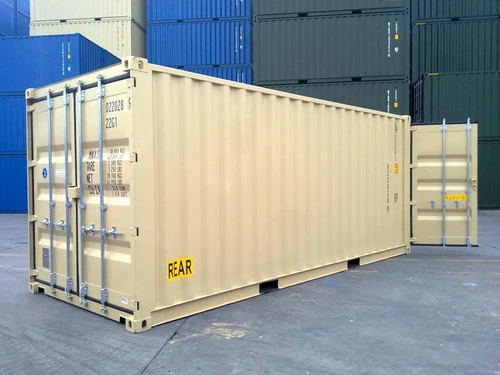
Sizes of secure storage containers
Pick the size of your secure storage containers by what you need to store, then add some room. Most people underestimate how fast a store fills up. Full measurements are in our shipping container dimensions guide.
| Size | Inside length | Inside height | Door height | Volume | Pallets | Empty weight |
|---|---|---|---|---|---|---|
| 20ft standard | 5.90 m | 2.39 m | 2.28 m | 33 m³ | 10 | About 2.2 t |
| 20ft high cube | 5.90 m | 2.69 m | 2.58 m | 37 m³ | 10 | About 2.3 t |
| 40ft standard | 12.03 m | 2.39 m | 2.28 m | 67 m³ | 21 | About 3.7 t |
| 40ft high cube | 12.03 m | 2.69 m | 2.58 m | 76 m³ | 21 | About 3.9 t |
20ft secure storage containers
A 20ft box is the right choice for a tradesperson’s tools, a shop’s spare stock, a sports club’s equipment or a homeowner’s garden machinery. It fits in a driveway or a single car space, and a standard tilt-bed truck can deliver it to most places. Browse all 20ft shipping containers.
40ft secure storage containers
A 40ft box gives twice the floor for not much more than a new 20ft. Businesses that hold stock, contractors with plant and anyone storing furniture or archives usually end up here. See the full range of 40ft shipping containers, and read our 20ft vs 40ft comparison if you can’t decide.
Standard or high cube?
A high cube is 30 cm taller. That matters for tall racking, stacked pallets, ride-on mowers with a roll bar and small plant. The one trip 40ft high cube at $2,900 actually costs less than the one trip 40ft standard at $3,200 right now, so for most buyers the high cube is the easy pick. Compare them in our high cube vs standard guide or browse the 40ft high cube category.
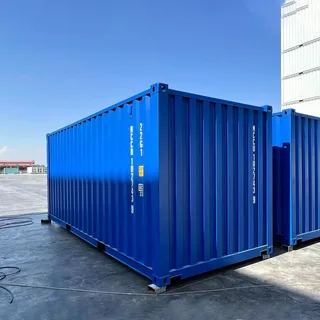
Who buys secure storage containers, and for what
Contractors and builders
Contractors buy more secure storage containers than almost anyone else. Power tools, generators, cable, copper pipe and small plant are prime targets on building sites, and they get stolen at night and over weekends. A container with a lock box becomes the site store and tool room. We cover this in more detail in our construction storage container guide.
Shops and online sellers
Extra stock, seasonal displays and packaging take space a shop can’t spare. A container at the back of the premises holds it all safely. Online sellers often use one as a small warehouse, with racking down both sides and a packing bench at the door end.
Farms and rural properties
Quad bikes, chainsaws, fencing tools and small machinery are common theft targets in the countryside. The NFU Mutual rural crime report tracks this every year. Our farm storage containers guide covers feed, machinery and cold storage on the land.
Homeowners
Garden machinery, bikes, building materials during a renovation, and furniture between moves. A 20ft box also makes a secure garage for a classic car or motorbike, which we explain in our car storage container guide.
Schools, clubs and events
Sports clubs, scout groups, schools and event companies need a place for kit that sits unused for weeks at a time. A container on the edge of the field is cheaper than a building and much harder to break into.
Records and archives
Businesses that must keep paper records for years use containers as archive stores. Add shelving and moisture control, and keep the box locked and away from flood-prone ground.
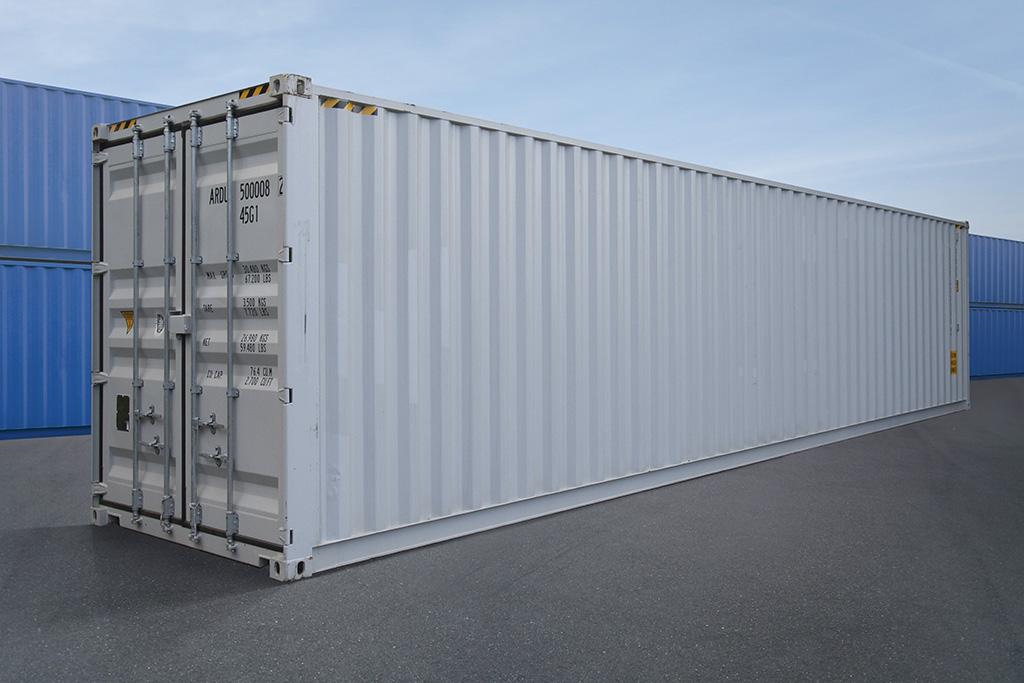
Five layers of security for a storage container
No single lock makes a store safe. What works is several layers, so a thief has to beat one after another while the clock runs and the noise builds. The diagram below shows the five layers we recommend for secure storage containers, from the cheapest to the most involved.
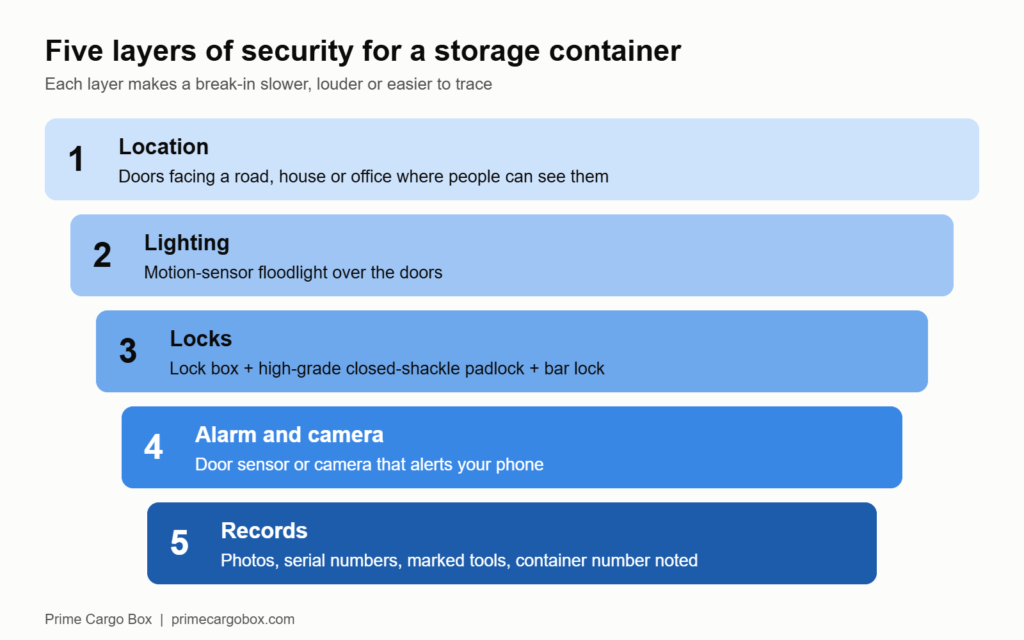
- Location. Put the box where people can see the doors: facing the road, the house, the site office or a neighbour’s window.
- Lighting. A motion-sensor floodlight over the doors costs little and makes night work very uncomfortable for thieves.
- Locks. A lock box plus a high-grade closed-shackle padlock, with a bar lock on the second door.
- Alarm and camera. A door sensor or a camera that sends alerts to your phone.
- Records. Photos and serial numbers of everything stored, tools marked with your name or company ID, and a note of the container number on the doors.
Police crime prevention teams give much the same advice for building sites. The construction site crime prevention advice from Avon and Somerset Police and the Designing Buildings guide to construction site security are both worth reading if your container will sit on a site.
Where to place secure storage containers
Doors in sight
On secure storage containers, the doors are where any attack will happen, so make sure they face somewhere busy or watched. A box tucked behind a building with its doors facing a hedge is an invitation.
Doors against a wall, for long-term storage
For things you rarely need, some owners place the container with its doors close to a wall or to another container, leaving just enough room to open them. A thief then has no space to swing bolt croppers or use a grinder. This only makes sense when you won’t need regular access with large items.
Firm, level ground
Set the four corners on concrete pads, hardwood sleepers or blocks on compacted stone. A level box is a secure box: if the ground sinks under one corner, the frame twists and the doors won’t close tight. Keep the box 10 to 15 cm off the ground so air can move underneath and the floor stays dry.
Leave access for the delivery truck
A tilt-bed truck needs a clear straight run and space overhead to tilt the bed. Our shipping container delivery guide lists the space needed for each size, and our delivery policy explains how delivery works.
Keeping goods dry in a locked container
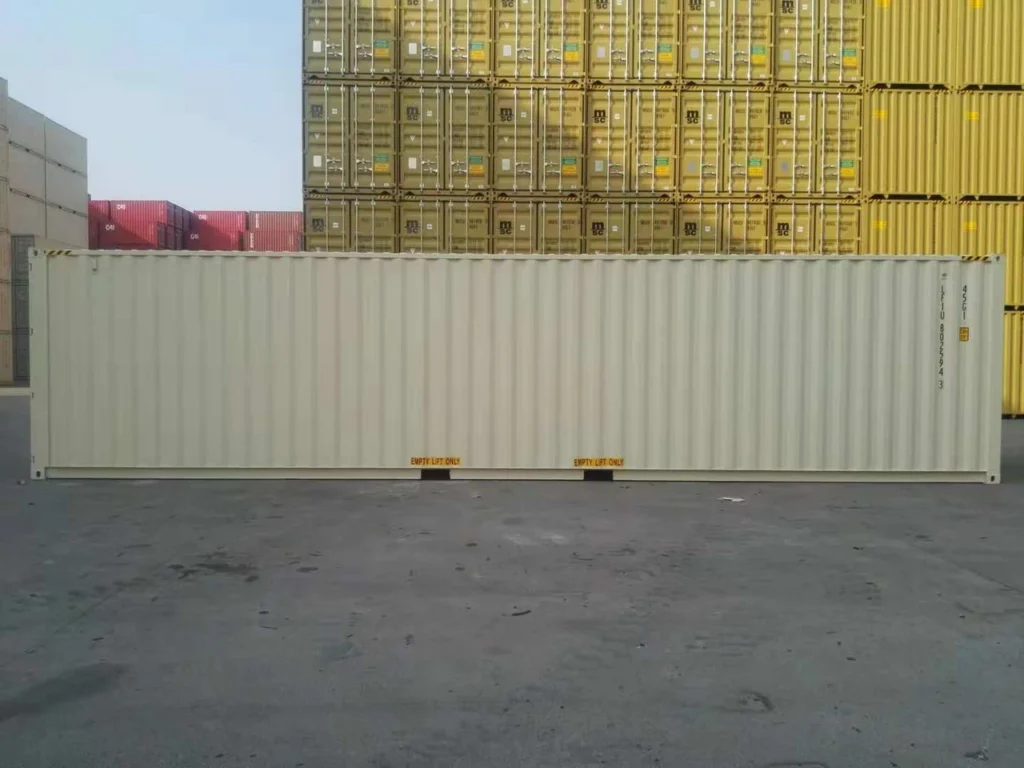
Secure storage containers keep rain out, but it can still get damp inside from condensation. Steel cools fast at night, and moist air inside the box forms water on the roof that drips on whatever is below. This matters most for paper, fabrics, tools and electronics.
- Keep vents clear. Every container has small vents near the roof. Don’t block them. For extra airflow, add vents with security mesh, not open holes.
- Use pallets or shelving so nothing touches the floor or the walls.
- Hang moisture absorber bags from the lashing rings and change them when full.
- Don’t load wet items. Dry tools, tarps and machinery before they go in.
- Insulate if you store paper, electronics or furniture for long periods.
Double door and open side options
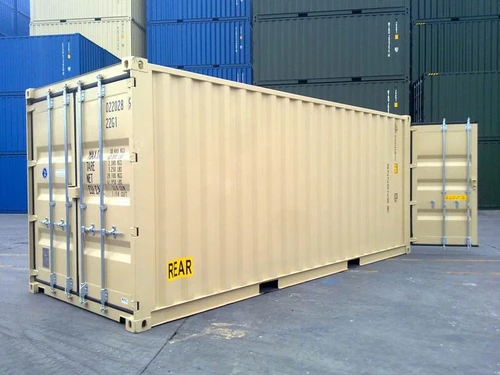
Doors at both ends make a container a little more work to secure, because there are two sets of doors to lock, but they are very handy for stores you use every day. You can reach goods from either end without unloading the whole box. Choose the one trip 20ft double door at $2,500, the new 20ft double door at $3,700, the one trip 40ft double door at $3,500 or the new 40ft double door at $4,900. More in our double door container guide and the double door category.
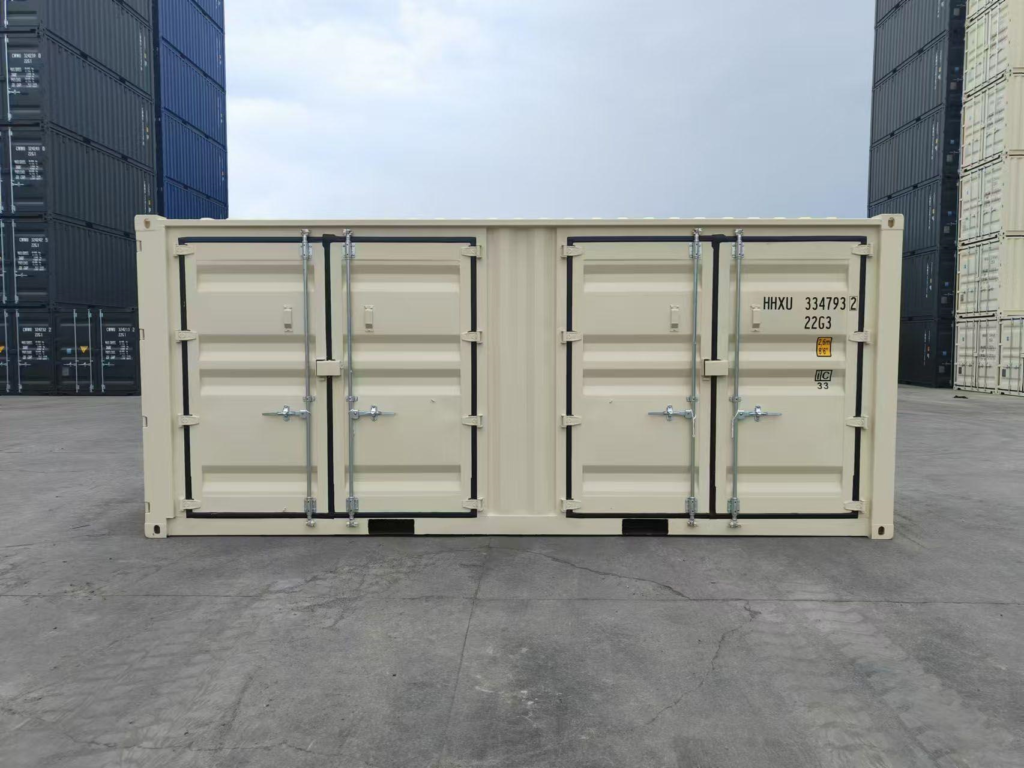
An open side container has a full-length side that opens, which suits pallets and wide items. It has more door to lock, so use a bar lock on each door pair. Prices start with the one trip 20ft open side at $5,200. Read our open side container guide for the details.
Checklist before you buy secure storage containers
- Measure the space and check there’s room for the truck to get in.
- Decide what goes inside and pick a size with some spare room.
- Choose one trip or new for the tightest doors. If you go used, check the locking bars, cam keepers and door seals in person or by photo.
- Add a lock box before delivery through our modification service.
- Buy a high-grade closed-shackle padlock and a bar lock.
- Plan lighting and, if the contents are valuable, a sensor or camera.
- Ask your insurer which lock grade they want.
- Prepare level pads before delivery day.
Three example setups
nThese are typical setups to show how the pieces fit together. Your own needs and prices for extras will vary.
A plumbing contractor
A contractor who keeps tools and copper pipe in a van overnight is taking a big risk. A simple fix is a one trip 20ft container for $1,550 with a lock box, a grade 6 padlock and a battery motion light. Place it beside the office with the doors facing the street, and empty the van into it every night.
An online homeware seller
When stock outgrows a spare room, a one trip 40ft high cube at $2,900 can hold racking down both walls with a packing table at the door end. A door sensor sends an alert to your phone if the doors open after hours.
A cricket and football club
Clubs often keep mowers, nets and kit in a timber shed, which is easy to break into. A new 20ft high cube at $4,250 is tall enough for a roller and a mower with a roll bar. With a lock box and a bar lock it is a far harder target than any shed.
Spec of our secure storage containers
| Feature | One trip | New | Used (cargo worthy) |
|---|---|---|---|
| Shell | Corrugated weathering steel | Corrugated weathering steel | Corrugated weathering steel |
| Doors | Twin swing doors, 4 locking bars | Twin swing doors, 4 locking bars | Twin swing doors, 4 locking bars |
| Door seals | Near new | New | Worn but sealing |
| Floor | 28 mm marine plywood | 28 mm marine plywood | Marine plywood, signs of use |
| Wind and watertight | Yes | Yes | Yes |
| Lock box | Can be added | Can be added | Can be added |
| Typical life in storage use | 25+ years | 25 to 30+ years | 10 to 15+ years |
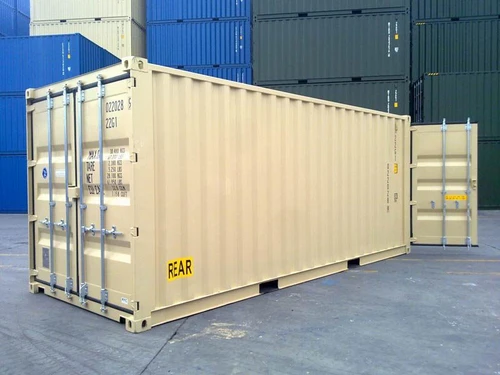
Every box has a unique owner code and serial number painted on the doors, registered through the BIC container register. Keep a photo of it. It helps identify your container if anything ever happens to it. For the different kinds of box, see our guide to types of shipping containers.
Matching the setup to what you store
Not every load needs the same level of protection. Here is a sensible setup for the things people most often keep in secure storage containers.
| What you store | Suggested box | Minimum security | Extra worth adding |
|---|---|---|---|
| Power tools and small plant | One trip 20ft | Lock box, high-grade padlock | Bar lock, door sensor |
| Shop or online stock | One trip 40ft high cube | Lock box, high-grade padlock | Camera, racking, lighting |
| Garden machinery and bikes | One trip 20ft high cube | Lock box, padlock | Ground chain points |
| Furniture and household goods | New 40ft standard | Lock box, padlock | Insulation, moisture control |
| Paper records | New 20ft standard | Lock box, padlock | Shelving, insulation, door sensor |
| Plant and machinery | One trip 40ft double door | Lock box on both ends | Bar locks, lighting, camera |
The rule of thumb is simple. The more the contents are worth, and the harder they would be to replace, the more layers you add. A box of garden tools needs a good padlock and a lock box. A box of stock worth tens of thousands needs everything on the list.
What happens on delivery day
Delivery of secure storage containers is usually quick. The driver backs the tilt-bed truck up to the spot, tilts the bed and lets the container slide down onto the pads, then drives forward. The whole drop often takes less than half an hour if the ground and access are ready.
Before the driver leaves, do these checks:
- Open and close both doors. They should swing freely and the handles should drop into the cam keepers without forcing.
- Check the door seals all the way round for gaps.
- Look at the floor and the roof from inside with the doors shut. If you see daylight, say so straight away.
- Put a spirit level on the floor. If the box isn’t level, adjust the pads now while the driver is there.
- Fit your padlock and lock up before you leave the box for the first night.
If you ordered a lock box or other changes, check those too. Photos of the box as delivered are useful to keep with your records.
How to order secure storage containers
- Pick your container from the products page or straight from the price table above.
- Add extras like a lock box, vents with mesh, shelving or a personnel door through our modification service.
- Get a delivery quote. Contact our team with your address and a note of any tight gates, slopes or overhead cables.
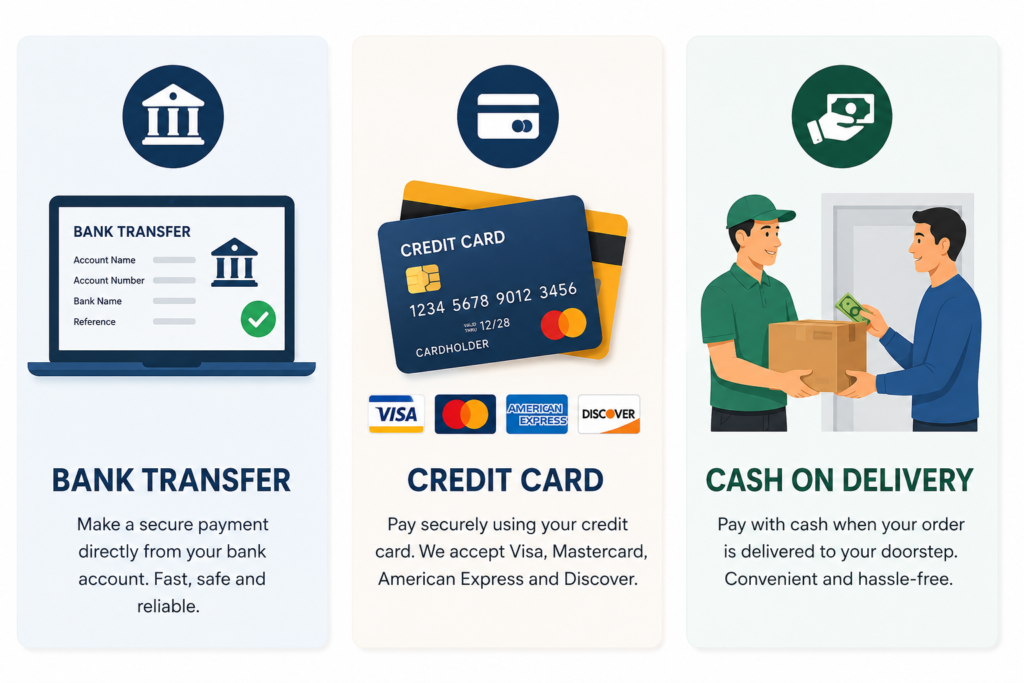
- Pay using the options on our billing and payment page.
- Prepare the ground with level pads, then be there on delivery day to check the box and the doors before the driver leaves.
For the full step-by-step, read our guide to buying a shipping container or our storage containers for sale guide.
Frequently asked questions
Are shipping containers good secure storage containers?
Yes. They are steel boxes with no windows and doors held by four locking bars. Their weak point is the padlock, so fit a lock box and a high-grade closed-shackle padlock.
How much do secure storage containers cost?
At Prime Cargo Box a used 20ft starts at $1,000, a one trip 20ft is $1,550, a one trip 40ft high cube is $2,900 and a new 40ft high cube is $3,800. Delivery is quoted separately.
What is the best lock for a storage container?
A closed-shackle padlock with a hardened shackle, rated at the top of your local security scale (grade 5 or 6 under EN 12320 in Europe), fitted inside a welded lock box. Add a bar lock on the second door.
Can thieves cut into a shipping container?
It is possible with an angle grinder, but it is slow and very loud and makes sparks. Most break-ins go through the padlock instead, which is why the lock matters more than the walls.
Is a one trip container more secure than a used one?
Usually yes. Its locking bars are straight, its seals are soft and its frame is square, so the doors close tight with no gap to pry.
Can I add a lock box to secure storage containers?
Yes. We can weld a lock box onto any container we sell before it is delivered.
Do secure storage containers need a foundation?
No. Firm, level ground with support under each corner is enough. Concrete pads, sleepers or blocks on compacted stone all work.
Will my things get damp inside?
Not if you keep the vents clear, use pallets or shelving, and add moisture absorbers. Insulate if you are storing paper or electronics for a long time.
Do I need permission to place a container?
It depends on where you are. Some councils, landlords and housing estates have rules about containers on private land. Check before you order if you are not sure.
Can I move secure storage containers later?
Yes. A tilt-bed or crane truck can lift and move the box. Empty it first, or keep the load light and well tied down.
About Prime Cargo Box
Prime Cargo Box sells new, one trip and used shipping containers to businesses, contractors, farms and homeowners around the world. Every container on our site has its own product page with real photos, a condition grade and a clear price. We help buyers choose a size, add lock boxes and other upgrades, and plan delivery to their site. You can read more about us here.
Final word
Secure storage containers give you a steel store with no windows, heavy doors and four locking bars, and they arrive ready to use. The steel is rarely the problem. The padlock is. Buy a one trip or new box so the doors close tight, add a lock box and a proper padlock, light the doors and keep them in sight. For most buyers a one trip 40ft high cube at $2,900, or a one trip 20ft at $1,550 for smaller loads, is the right place to start. Browse our containers or ask us for a delivery quote today.